Introduction: Journey Through Ancient China’s Imperial Capital
Xi’an, the ancient capital of 13 Chinese dynasties, stands as one of the world’s most historically significant cities. Among its treasures, the Xi’an City Wall and Bell Tower shine as two unmissable landmarks that bridge China’s imperial past with its vibrant present. This comprehensive guide will help international travelers navigate these iconic sites and make the most of their Xi’an adventure.
Xi’an City Wall: The World’s Best-Preserved Ancient City Fortification

History and Overview
The Xi’an City Wall, located in Beilin District, is the largest and most complete ancient city wall surviving in China. Built during the Ming Dynasty (1368-1644) under Emperor Zhu Yuanzhang’s orders, this magnificent structure has withstood centuries of weathering and warfare.
The wall forms a rectangle encircling the old city center with a total length of 14 kilometers (8.7 miles). Standing 12 meters (40 feet) tall and 12-14 meters (40-45 feet) wide at the top, it’s impressive enough to accommodate modern traffic—bicycles, pedestrians, and even occasional vehicles for special events.
The history stretches back to the Zhou Dynasty, when early fortifications were built with rammed earth. During the Tang Dynasty (618-907 AD), Chang’an (Xi’an’s ancient name) became the world’s largest city with over one million residents, surrounded by walls encompassing 84 square kilometers. Today’s Ming-era walls, constructed with compacted earth and faced with grey bricks, represent the culmination of centuries of defensive architecture.
The Four Main Gates: Your Entry Points
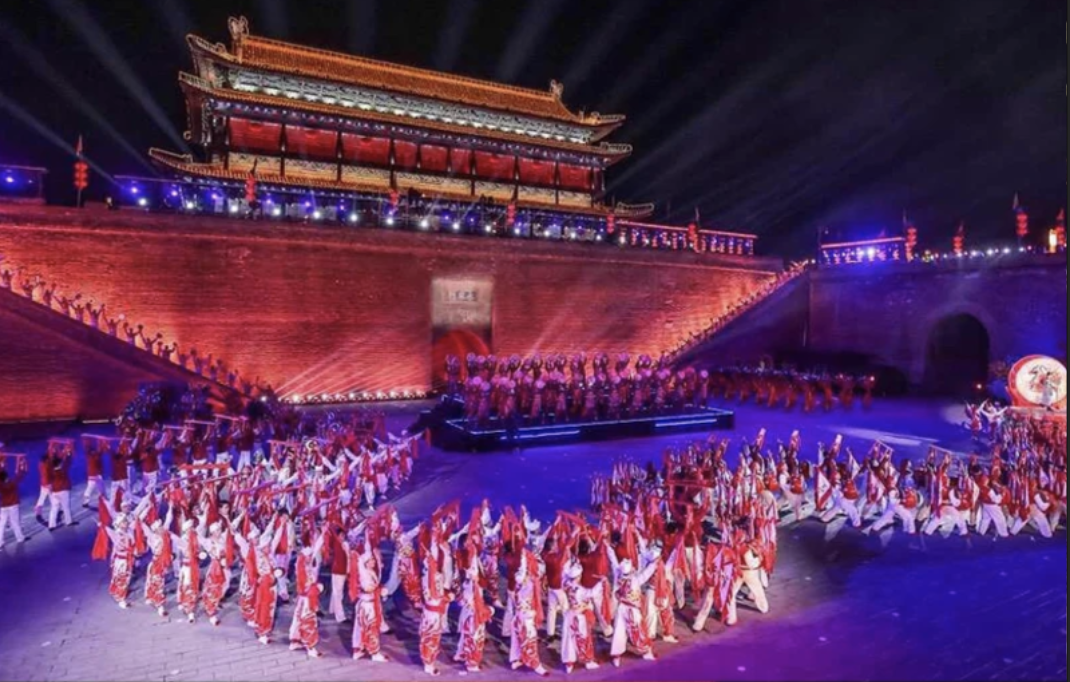
South Gate (Yongning Gate): The most magnificent entrance featuring grand traditional architecture. This is the primary tourist entrance with the most facilities and best photo opportunities. The gate tower hosts cultural performances and evening light shows.

North Gate (Anyuan Gate): Historically the military gate, it features a unique barbican (urn-shaped fortress) structure designed for enhanced defense. Less crowded than the South Gate, offering an authentic experience.

East Gate (Changle Gate): Named “Eternal Joy,” this gate provides excellent views of the moat and connects to modern shopping districts. Great for combining historical sightseeing with contemporary urban exploration.

West Gate (Anding Gate): Meaning “Peaceful Stability,” located nearest to the Muslim Quarter. The quietest of the four gates, ideal for travelers seeking a more contemplative experience.

Cycling the Wall: The Ultimate Experience
Renting a bicycle and riding the entire 14-kilometer circuit is the most popular way to experience the wall. The smooth, wide pathway on top offers constantly changing perspectives of both ancient and modern Xi’an.

Cycling Details:
- Duration: 1.5-2 hours for a complete circuit at a leisurely pace
- Rental Cost: Single bike ¥45 ($6-7 USD) / Double bike ¥90 ($12-14 USD) for 2 hours
- Deposit: ¥200 cash deposit or passport (returned when you return the bike)
- Best Times: Early morning (8-10 AM) or late afternoon (4-6 PM) to avoid heat and crowds
- Direction: One-way system—follow the flow of traffic (usually clockwise from South Gate)
Important Tips for International Cyclists:
- Bring your own water bottle—vendors on the wall are limited and expensive
- Apply sunscreen before starting; there’s minimal shade on top
- Wear comfortable shoes; even on a bike, you may want to walk certain sections
- The ride is entirely flat and suitable for all fitness levels
- Bike seats can be uncomfortable for long rides; consider bringing a small cushion
- Download offline maps as GPS can be unreliable on the wall
Night Views: Illuminated Imperial Splendor
The wall’s evening transformation is spectacular. As darkness falls, golden lights illuminate the ancient stones, creating a magical atmosphere. The South Gate area features a nightly light and music show that dramatizes the city’s history.
Night Visit Guidelines:
- Opening Hours: 18:00-22:00 (last entry 21:00)
- Ticket Price: ¥54 ($7-8 USD)
- Temperature: Evenings can be 10-15°C cooler than daytime, even in summer—bring a jacket
- Photography: Tripod recommended for long exposures; the illuminated South Gate is the star attraction
- Light Show: Usually starts at 20:00 at South Gate (check current schedule)
Practical Information for Visitors
Admission Fee: ¥54 ($7-8 USD) for adults Opening Hours: 8:00-22:00 (last entry 21:30) Time Needed: 2-3 hours minimum (cycling); 4-5 hours for a leisurely walk with breaks
How to Get There:
- Metro: Line 2 to Yongningmen Station (South Gate) – most convenient
- Taxi/DiDi: Simply say “Chengqiang Nanmen” (城墙南门)
- Walking: If staying in the city center, most hotels are within 20-30 minutes’ walk
Payment Methods:
- Cash accepted (CNY)
- WeChat Pay and Alipay (most common)
- Some ticket counters accept international credit cards, but don’t rely on this
- Tip: Set up Alipay with your international card before arriving for easiest transactions
Important Warnings for International Visitors
- Bike Rental Scams: Only rent from official booths on the wall itself, not from unauthorized vendors near the gates who may charge inflated prices
- Water Prices: A bottle costs ¥10-15 ($1.50-2 USD) on the wall versus ¥3-5 in nearby shops
- Toilet Facilities: Limited and sometimes basic. Use facilities at gates before starting your ride
- Air Quality: Check AQI (Air Quality Index) before visiting; on heavily polluted days, skip the bike ride
- Heat Warning: Summer temperatures can exceed 40°C (104°F); early morning visits are essential
- Return Bikes on Time: Late returns incur ¥10 per 30 minutes penalty
Xi’an Bell Tower: The Heart of Ancient Chang’an
Historical Background and Architecture
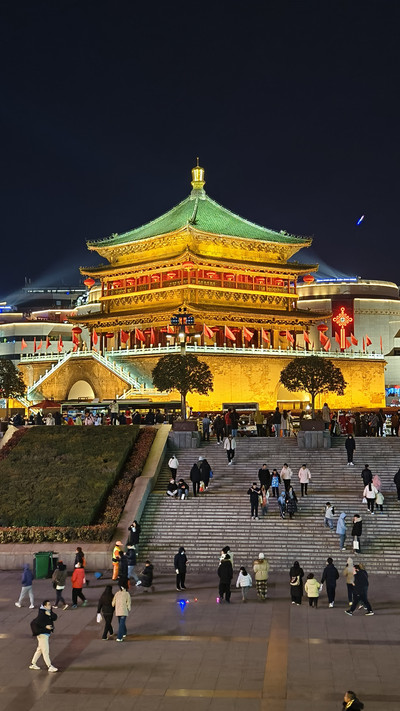
Standing proudly at the exact center of Xi’an, where East, West, South, and North Streets converge, the Bell Tower (Zhonglou) was built in 1384 during the Ming Dynasty. This massive structure represents the finest example of Chinese bell tower architecture, standing 36 meters (118 feet) tall with a base measuring 35.5 meters (116 feet) on each side.
The building showcases traditional Chinese architectural brilliance: a brick and timber structure with triple-eaved roof, built entirely using interlocking wooden brackets (dougong) without a single nail. The four-sided pyramidal roof is covered with dark green glazed tiles, and the exterior features elaborate carved beams and painted decorations in gold, red, and green.
Inside hangs a massive bronze bell, originally used to announce time throughout the city. In ancient China, the bell would ring at dawn while the nearby drum tower sounded at dusk, marking the city’s daily rhythm.
What to See Inside
First Floor: Exhibition of ancient bells and historical information about timekeeping in imperial China
Second Floor: The main bell chamber with the reconstructed Jingyun Bell (the original resides in the Xi’an Museum). Cultural performances and traditional music demonstrations occur here.
Third Floor: Observation decks on all four sides offering 360-degree views of Xi’an’s city center. This is where you can truly appreciate how the city radiates outward from this central point.
Architectural Details: Don’t miss the intricate wood carvings, colorful ceiling paintings, and calligraphy throughout the building.
Bell and Drum Tower Combined Visit
The Drum Tower (Gulou) sits just 200 meters northwest of the Bell Tower. These twin structures historically worked in tandem—bell in the morning, drum in the evening—and visiting both provides a complete picture of ancient Chinese timekeeping.
Combined Ticket Benefits:
- Bell Tower only: ¥35 ($5 USD)
- Combined ticket: ¥50 ($7 USD) – saves ¥20
- Combined ticket valid for 48 hours
- Drum Tower features largest ancient drum in China and daily drum performances
Performance Schedule (subject to change):
- Bell Tower: Usually 9:00, 11:00, 14:30, 16:00
- Drum Tower: Usually 9:10, 10:30, 14:00, 15:30, 16:30
- Duration: 15-20 minutes each
Visiting Tips for International Travelers
Opening Hours: 8:30-21:30 (last entry 21:00) Time Required: 30-45 minutes for Bell Tower alone; 1.5-2 hours for both towers
How to Get There:
- Metro: Line 2 to Zhonglou Station (Bell Tower), use Exit D
- Underground Passages: Don’t attempt to cross the streets above ground! Use the extensive underground pedestrian tunnels connecting all four directions
- Signage: English signs are limited; look for “钟楼” (Zhonglou) or “鼓楼” (Gulou)
Best Visit Times:
- Early morning (8:30-10:00): Fewer crowds, softer light for photos
- Late afternoon (16:00-18:00): Golden hour photography, transition to evening lights
- Evening (after 19:00): Spectacular illumination, cooler temperatures, fewer tourists
Photography Guidelines
- Tripods allowed but may be restricted during peak times
- Drone photography prohibited in the city center area
- Best angles: Underground passages offer unique upward perspectives
- Night photography: The illuminated tower against the city lights is stunning
- Inside photography: Generally permitted; flash may be restricted near artifacts
Important Notes for Foreign Visitors
- Language Barrier: English information is limited inside; consider downloading a translation app or hiring a guide
- Cash vs. Digital: Ticket office accepts cash and Chinese payment apps; international cards rarely accepted
- Guided Tours: Available in English through tour agencies (¥200-400 per group) but not at the tower itself
- Audio Guides: Chinese and English audio guides available for ¥30 deposit + ¥20 rental
- Accessibility: Many stairs, no elevator—not suitable for wheelchair users or those with mobility issues
- Bag Checks: Security screening required; large backpacks may need to be stored
Perfect One-Day Itinerary: City Wall + Bell Tower
Morning (8:00-12:00)
8:00 AM – Breakfast near your hotel. Try local options like roujiamo (Chinese hamburger) or warm soymilk with youtiao (fried dough sticks)
8:30 AM – Arrive at South Gate (Yongning Gate) by metro or taxi
8:45 AM – Purchase ticket and climb to the wall top
9:00 AM – Start bicycle rental and begin cycling clockwise around the wall
10:30 AM – Complete circuit, return bike, explore the gate tower and take photos
11:30 AM – Descend and have lunch at a nearby restaurant
Afternoon (13:00-18:00)
13:30 PM – Take Metro Line 2 from Yongningmen to Zhonglou Station (5 minutes)
14:00 PM – Visit Bell Tower, watch performance if scheduled
15:00 PM – Walk through underground passage to Drum Tower
15:30 PM – Explore Drum Tower, catch drum performance
16:30 PM – Explore Muslim Quarter (Huimin Street) for snacks and souvenirs
18:00 PM – Dinner at Muslim Quarter or nearby restaurant
Evening (19:00-21:00)
19:00 PM – Return to Bell Tower area for night photography
19:30 PM – Option to revisit City Wall for night views (or rest if tired)
20:30 PM – Enjoy the illuminated city center, perhaps have drinks at a rooftop bar
21:00 PM – Return to hotel
Accommodation Recommendations
Best Area to Stay: Within or near the City Wall, particularly around Zhonglou (Bell Tower) area
- Walking distance to major attractions
- Excellent metro connections
- Abundant restaurants and shops
- Safe and well-lit at night
Hotel Types:
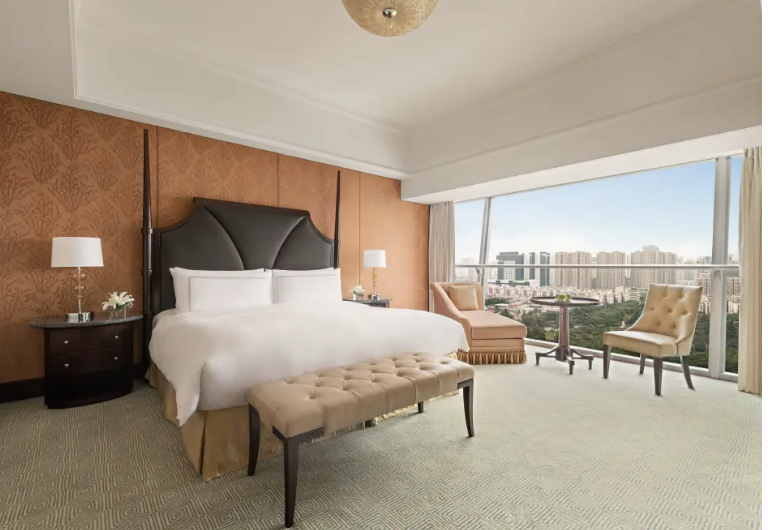
- International Chains: Hilton, Hyatt, Grand Noble available near Bell Tower (¥600-1500/night)
- Boutique Hotels: Converted courtyard houses inside city wall (¥300-800/night)
- Hostels: Bell Tower area has several with English-speaking staff (¥80-200/night)
Booking Tips:
- Book accommodations with “Free cancellation” due to unpredictable air quality
- Request rooms facing interior courtyard to minimize noise
- Confirm hotel has international breakfast options if you’re not adventurous with food
- Check if hotel can assist with VPN access if needed
Essential Travel Tips for International Visitors
Best Time to Visit
Spring (April-May):
- Pleasant temperatures (15-25°C / 59-77°F)
- Cherry blossoms and clear skies
- Moderate tourist crowds
- Festival atmosphere
Autumn (September-October):
- Comfortable weather (12-22°C / 54-72°F)
- Clearer air quality
- Fall colors beautiful
- Peak tourist season but manageable
Summer (June-August):
- Very hot (30-40°C / 86-104°F)
- Intense sun exposure
- Start activities before 9 AM
- Stay hydrated constantly
Winter (November-March):
- Cold (0-10°C / 32-50°F)
- Fewer tourists, lower prices
- Air quality can be poor
- Some outdoor activities less enjoyable
Money and Payment
Currency: Chinese Yuan (CNY/RMB)
- Current exchange rate: approximately ¥7 = $1 USD
- Bring sufficient cash for small vendors and emergencies
- ATMs available but may charge international fees
Digital Payments (strongly recommended):
- WeChat Pay and Alipay dominate in China
- Set up before arrival or at airport with international card
- Makes everything easier—tickets, bikes, food, taxis
- Many places are cashless or give change in coin only
Tipping: Not expected or required anywhere in China
Communication and Connectivity
Internet Access:
- Free WiFi at hotels, cafes, and some tourist sites
- Consider purchasing Chinese SIM card at airport (¥50-100 for tourist plans)
- VPN essential for accessing Gmail, Google, Facebook, Instagram, WhatsApp
- Download VPN before arriving in China
Translation Tools:
- Google Translate won’t work without VPN
- Download Pleco (English-Chinese dictionary) – works offline
- Download offline maps before arrival
- Learn basic phrases: “Nihao” (hello), “Xièxiè” (thank you), “Duōshao qián?” (how much?)
Emergency Contacts:
- Emergency: 110 (Police), 120 (Ambulance)
- Tourist Hotline: 029-8726-3637 (limited English)
- Your embassy contact information
Health and Safety
Air Quality:
- Check AQI daily (100+ = unhealthy; 150+ = very unhealthy)
- Bring or buy face masks (N95 recommended)
- Adjust outdoor activities based on pollution levels
- Indoor attractions better on polluted days
Food Safety:
- Stick to busy restaurants with high turnover
- Avoid raw foods unless at upscale establishments
- Bottled water essential (tap water not drinkable)
- Street food generally safe if cooked fresh and hot
Common Issues:
- Dehydration in summer months
- Altitude is not an issue (Xi’an is at low elevation)
- Air pollution can affect breathing—bring medications if sensitive
- Pharmacies common but English-speaking staff rare
Cultural Etiquette
Dos:
- Remove hat when entering traditional buildings
- Ask permission before photographing local people
- Dress modestly at religious sites (Muslim Quarter)
- Be patient with language barriers—smile goes a long way
Don’ts:
- Don’t touch artifacts or climb on ancient structures
- Don’t expect everyone to speak English
- Don’t raise voice or lose temper—Chinese value “face” and harmony
- Don’t assume Western customs apply
Photography Spots You Can’t Miss
City Wall:
- Southeast corner tower at sunrise
- South Gate illuminated at night
- Riding perspective on wide top section
- Modern city contrast from any side
Bell Tower:
- Underground passage looking upward
- Four-corners intersection at night
- Sunset from the tower looking toward the wall
- Traditional architecture details close-ups
Pro Tips:
- Golden hour (one hour after sunrise, one hour before sunset) offers best light
- Blue hour (30 minutes after sunset) perfect for illuminated monuments
- Avoid midday harsh light for architecture photography
- Bring extra batteries—cold weather drains them quickly
Muslim Quarter Food Experience
Located near the Drum Tower, the Muslim Quarter (Huimin Jie) offers authentic Islamic Chinese cuisine and cultural atmosphere.
Must-Try Foods:
- Yangrou Paomo (羊肉泡馍): Lamb soup with bread pieces – ¥25-35
- Roujiamo (肉夹馍): “Chinese hamburger” with spiced meat – ¥8-15
- Liangpi (凉皮): Cold noodles with spicy sauce – ¥8-12
- Persimmon cakes: Sweet treat, especially good in autumn – ¥5-10
Food Safety Tips:
- Choose stalls with long lines of locals
- Watch food being prepared fresh
- Carry small bills (¥10, ¥20) for street vendors
- Try to go with Chinese payment app to avoid change issues
Conclusion: Timeless Treasures Await
Xi’an’s City Wall and Bell Tower aren’t merely tourist attractions—they’re living monuments that connect modern China to its imperial heritage. Cycling atop walls that once protected emperors, standing where ancient bells marked the passage of time, you’ll experience history in its most tangible form.
The beauty of these sites lies in their accessibility and preservation. Unlike many ancient wonders reduced to ruins, Xi’an’s treasures remain structurally intact and functionally beautiful. Whether you’re a history enthusiast, architecture lover, or casual traveler, these landmarks offer unforgettable experiences that justify Xi’an’s place on any China itinerary.
With proper planning, awareness of cultural differences, and an open mind, your Xi’an adventure will be among the highlights of your Asian travels.
Keywords: Xi’an travel guide, Xi’an City Wall, Xi’an Bell Tower, China ancient capital, Xi’an tourism, City Wall cycling, Ming Dynasty architecture, Xi’an attractions, China travel tips, ancient city wall, Bell Tower Xi’an, international travel China