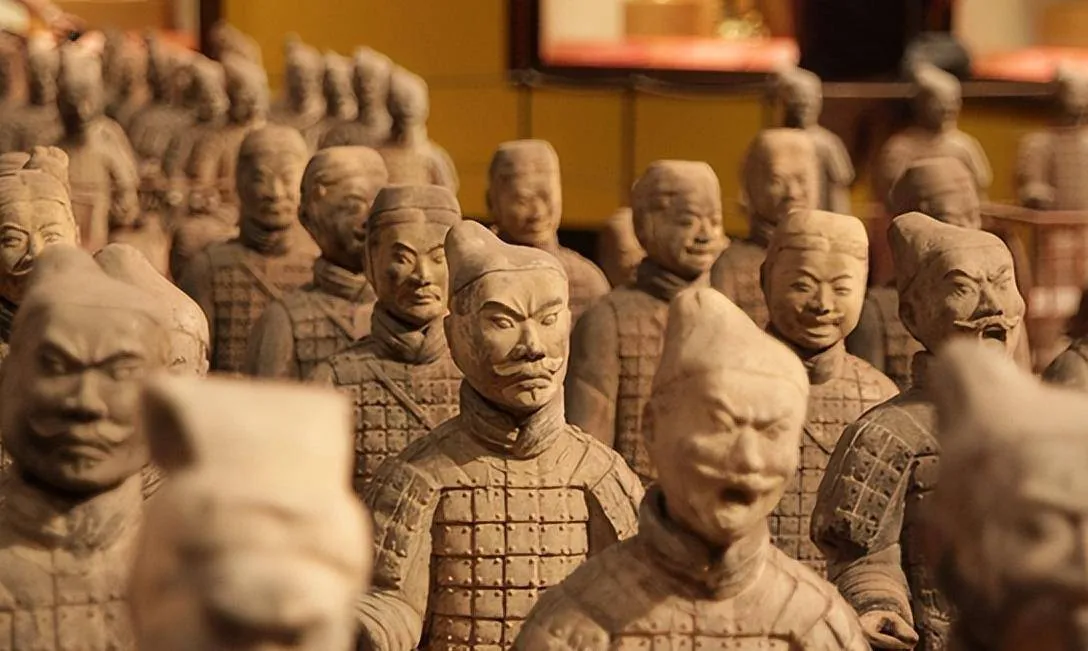
Terracotta Warriors
8,000 life-sized clay soldiers buried with China's first emperor in 210 BCE, dug up by local farmers in 1974. Tickets run ¥120–150 by season — go at opening time, because by 10am the pits are wall-to-wall tour groups.
Thirteen dynasties ruled from Xi'an. The Silk Road started here. The Terracotta Army waited 2,200 years underground before farmers found it in 1974. Every guide on this site is written after walking the routes ourselves — here's how to see the real Xi'an.
Two are UNESCO World Heritage sites, one is the best-preserved city wall in China, and one is a 1,300-year-old food street. These are the Xi'an attractions that deserve your time — with the practical details that make them work.

8,000 life-sized clay soldiers buried with China's first emperor in 210 BCE, dug up by local farmers in 1974. Tickets run ¥120–150 by season — go at opening time, because by 10am the pits are wall-to-wall tour groups.

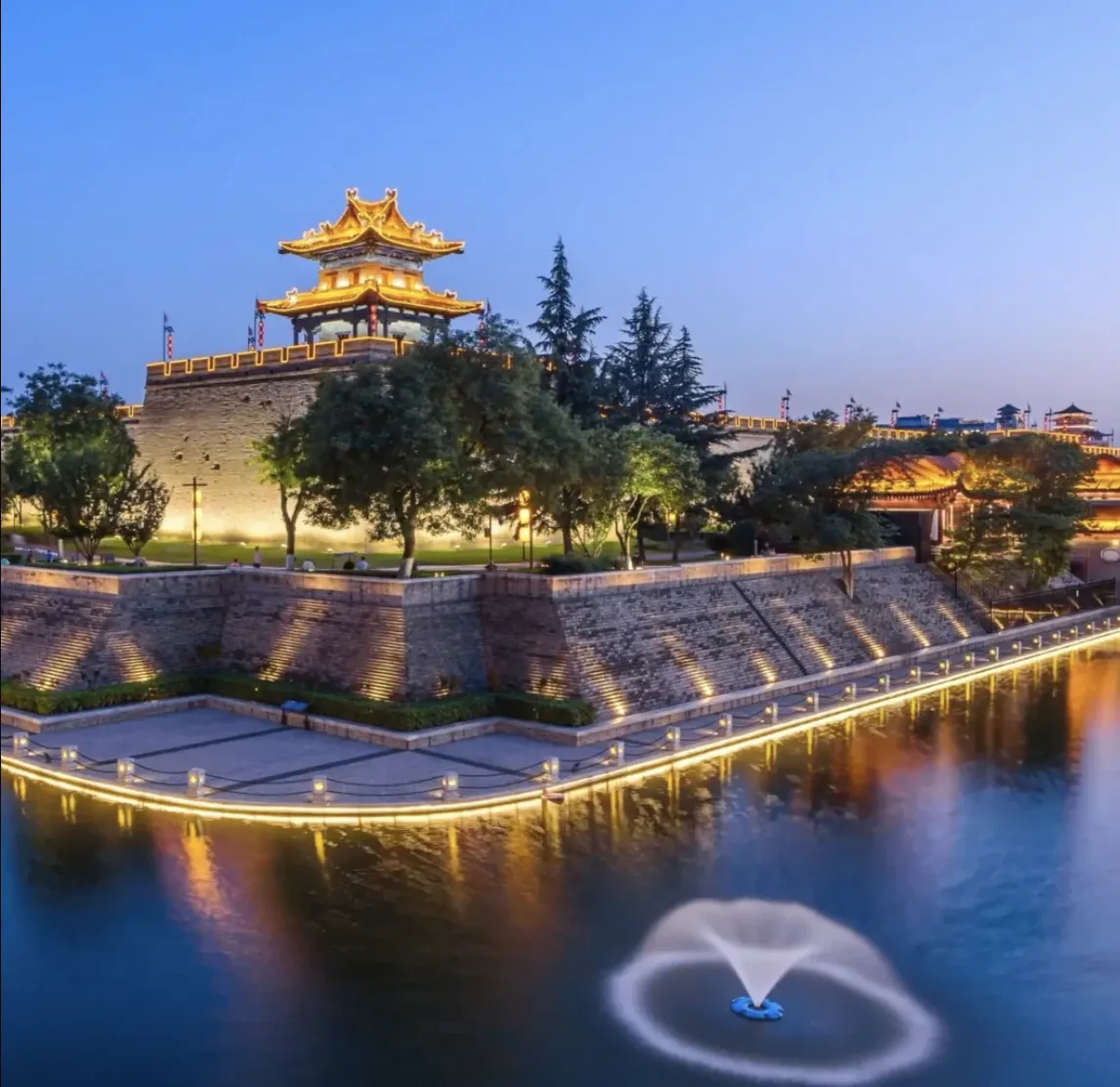
The only fully intact Ming city wall in China. Rent a bike at the South Gate and ride the 14km loop in about two hours — sunset is the slot worth planning around, when the old town glows gold below.

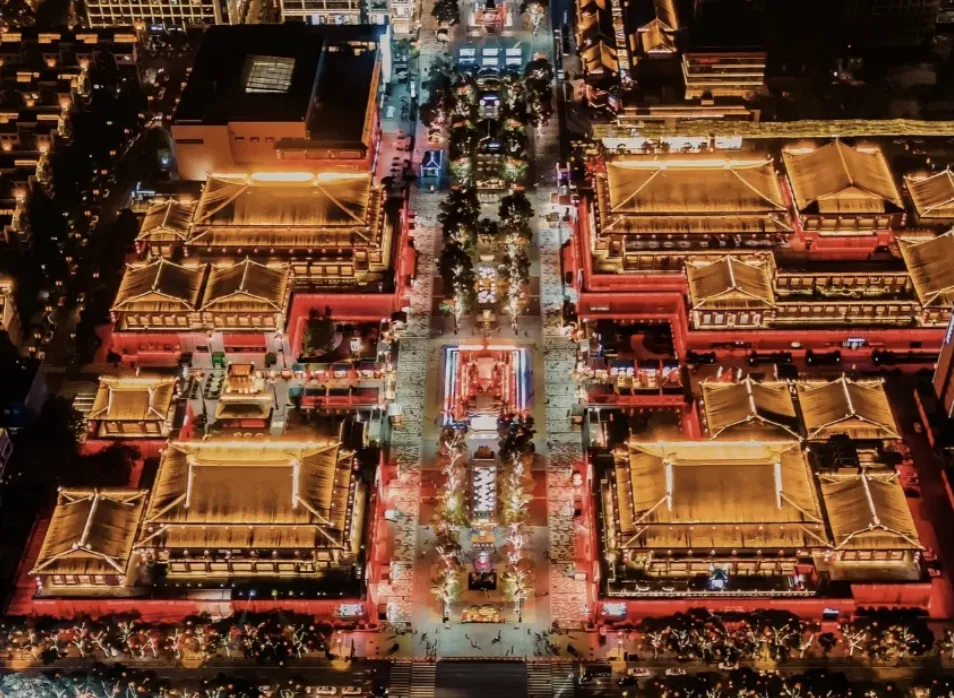
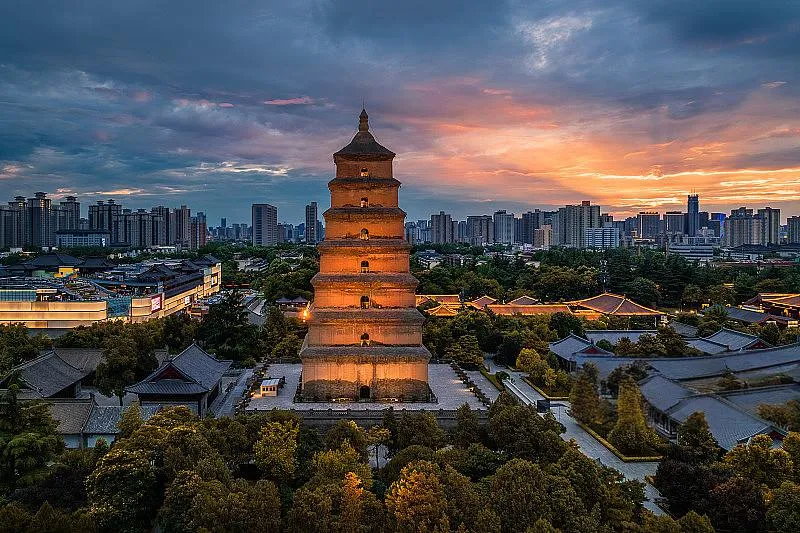
A seven-story Tang pagoda built to hold Buddhist scriptures brought back from India by the monk Xuanzang. Come at dusk: the 20:30 fountain show on the north square, then a walk through the lantern-lit Datang Everbright City.

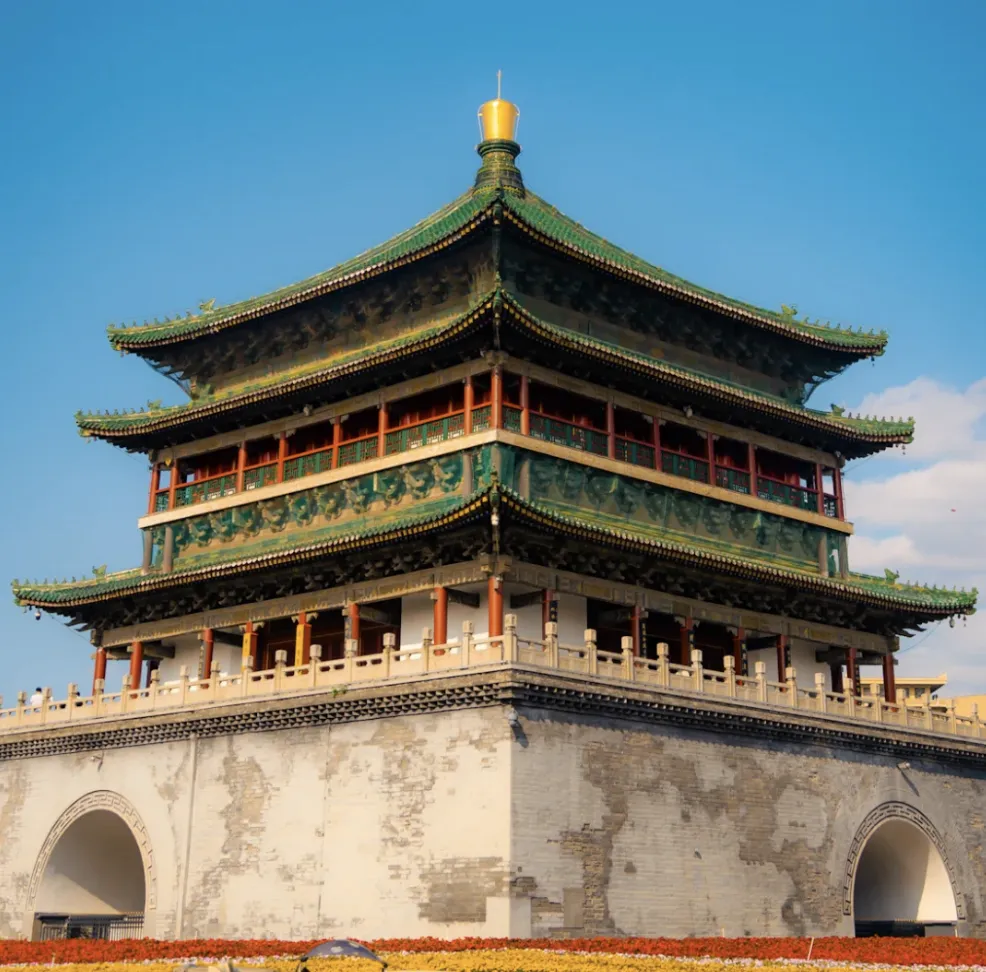
Xi'an's exact center since 1384 — the city's four main avenues all start from its base. Climb it at dusk, when the traffic circle below lights up and the Drum Tower glows a block to the west.

1,300 years of Muslim food culture packed into a maze of alleys behind the Drum Tower. The main drag is for photos; the parallel lanes — Sajinqiao, Dapiyuan — are where locals queue for dinner.

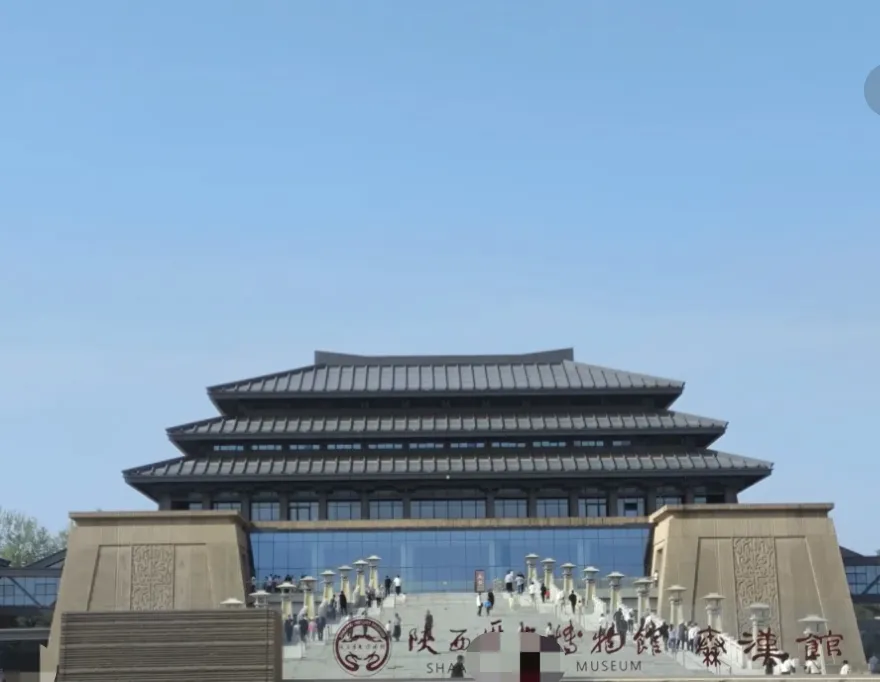
370,000 artifacts from prehistory to the Qing dynasty — and the main halls are free, if you can get a reservation. Book 3–7 days out on the official WeChat mini-program; it sells out fast.
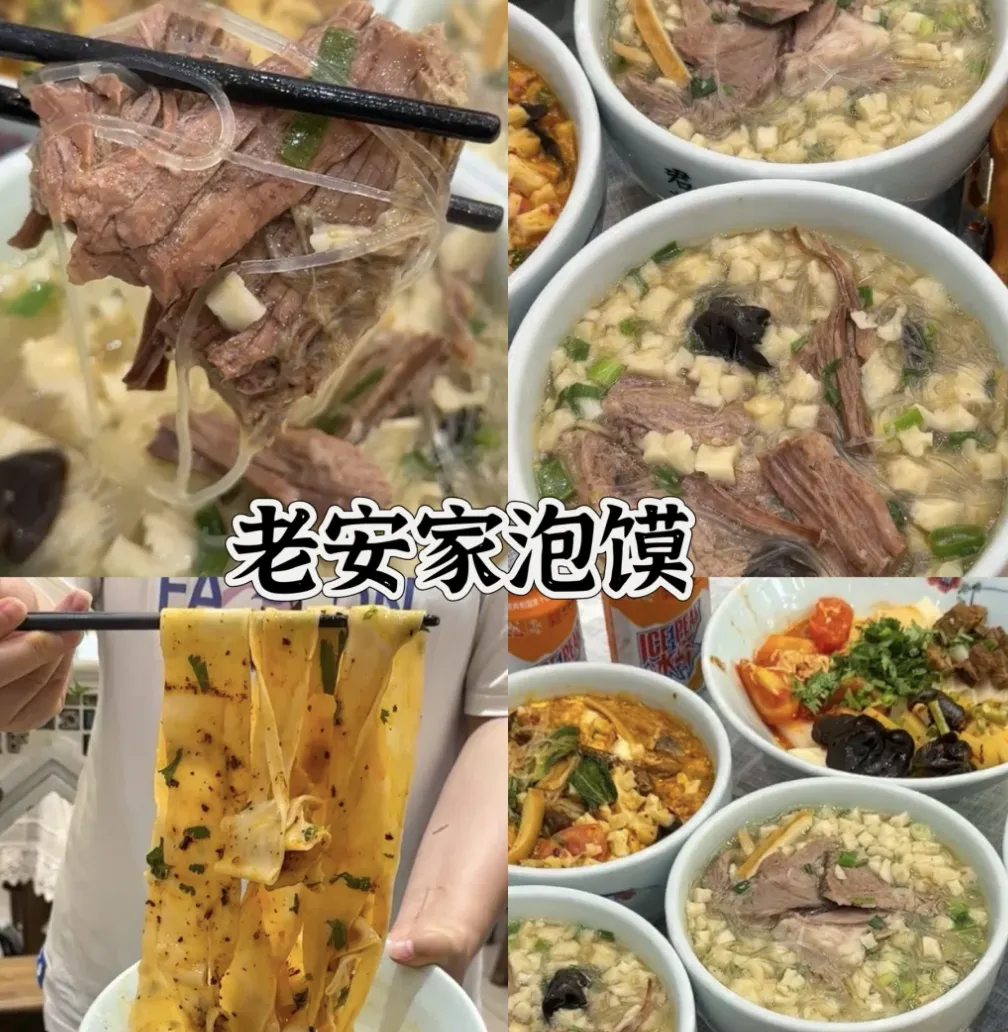
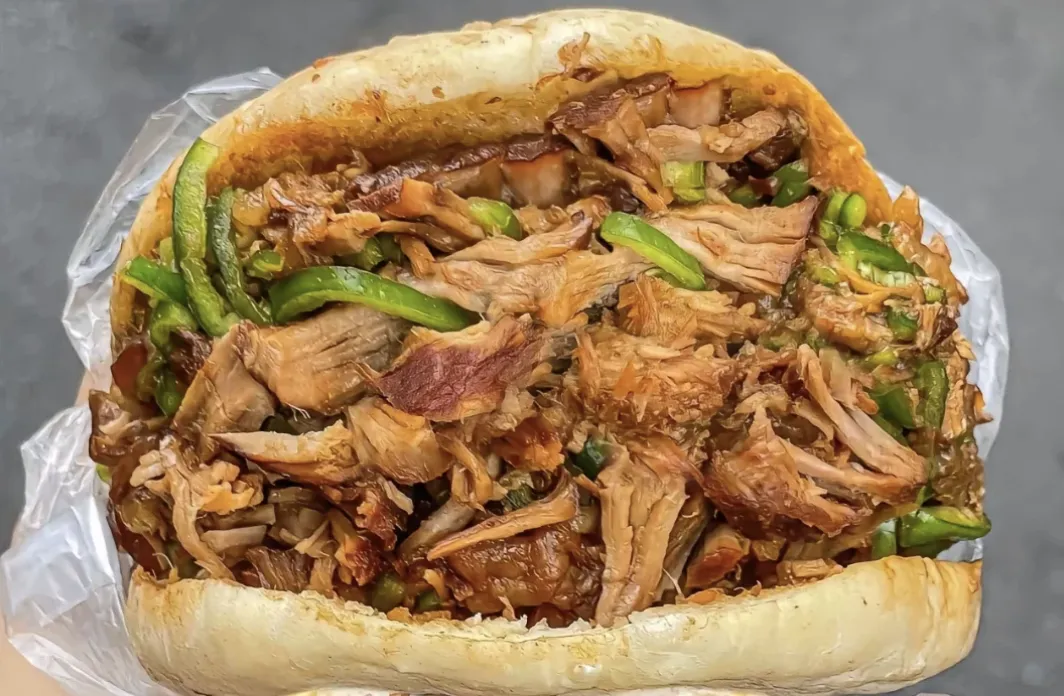
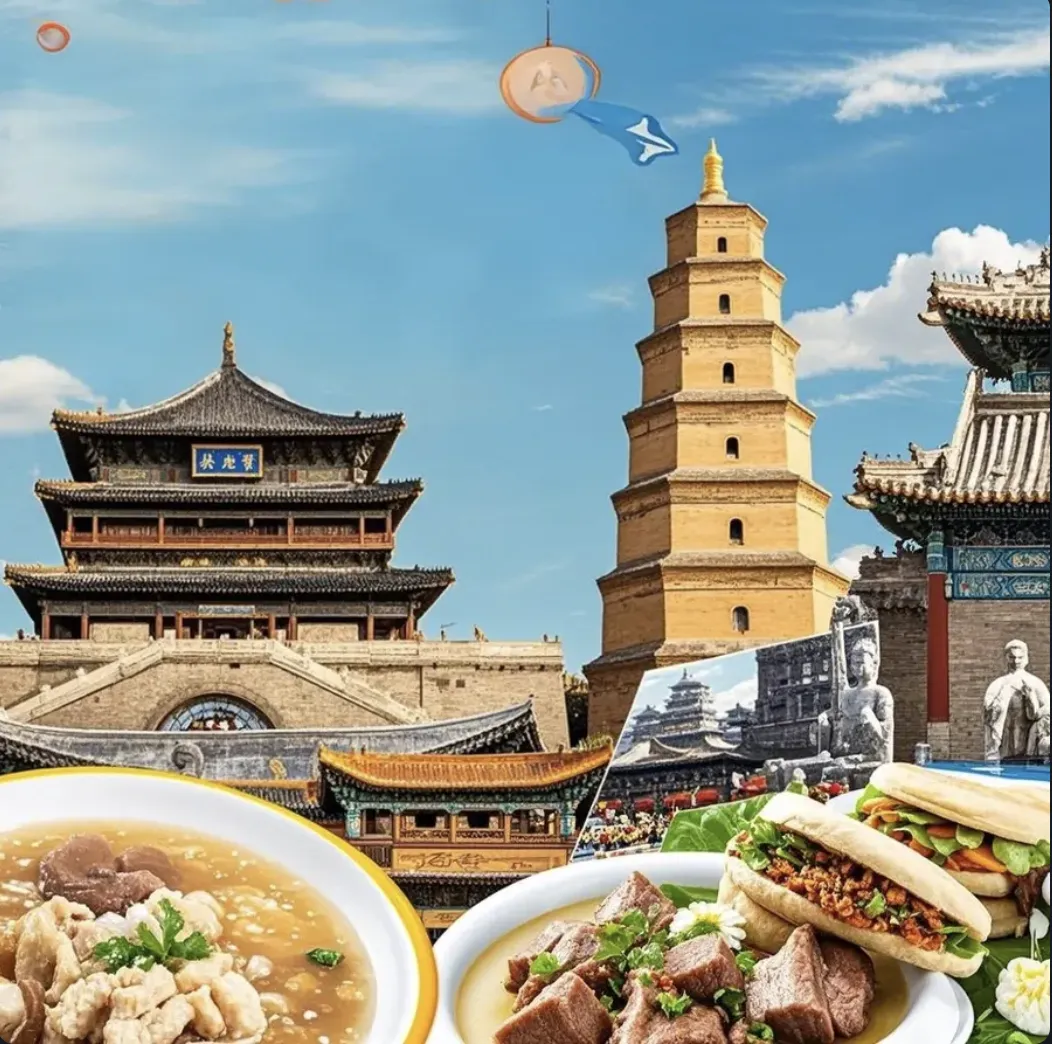
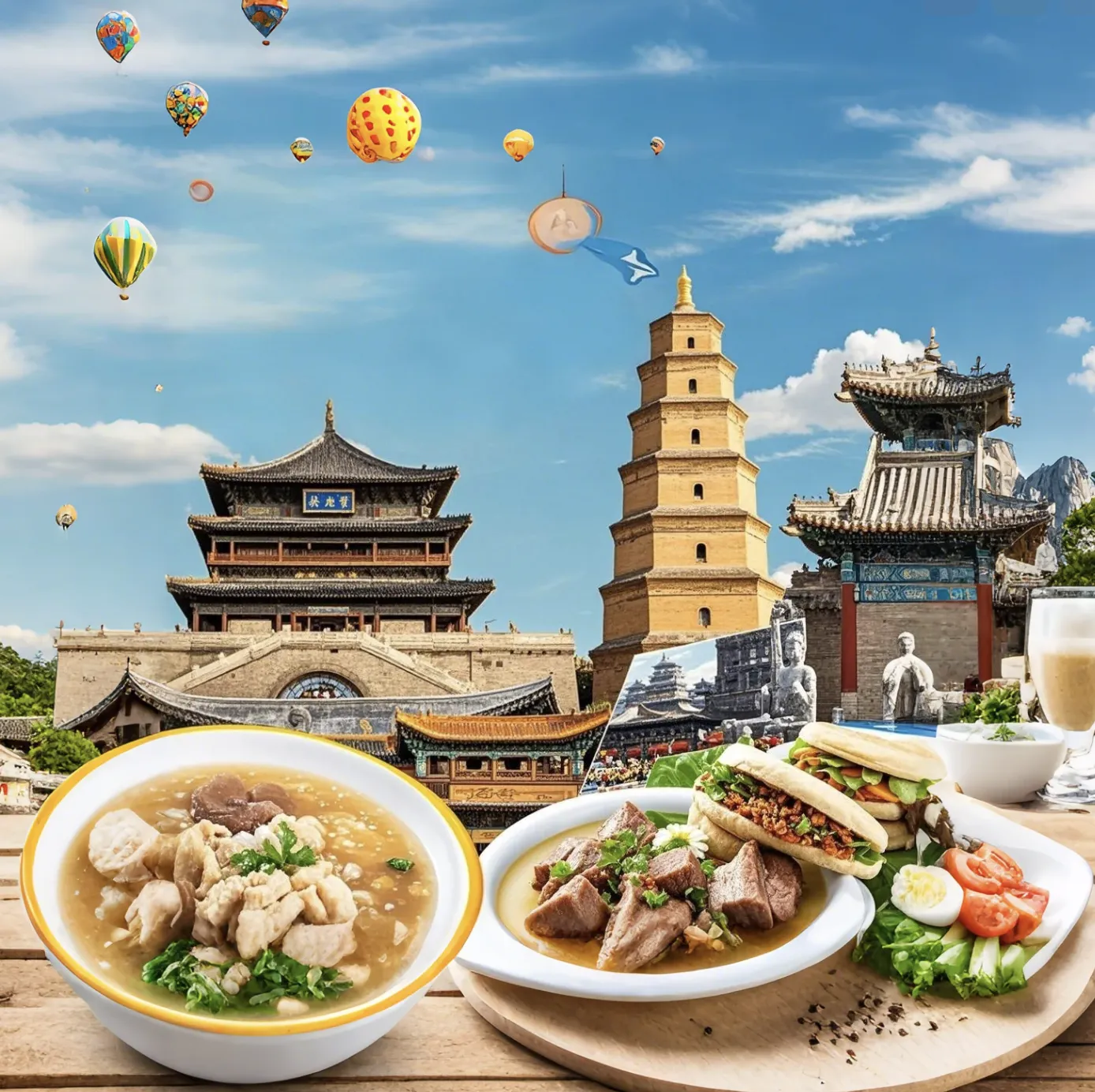
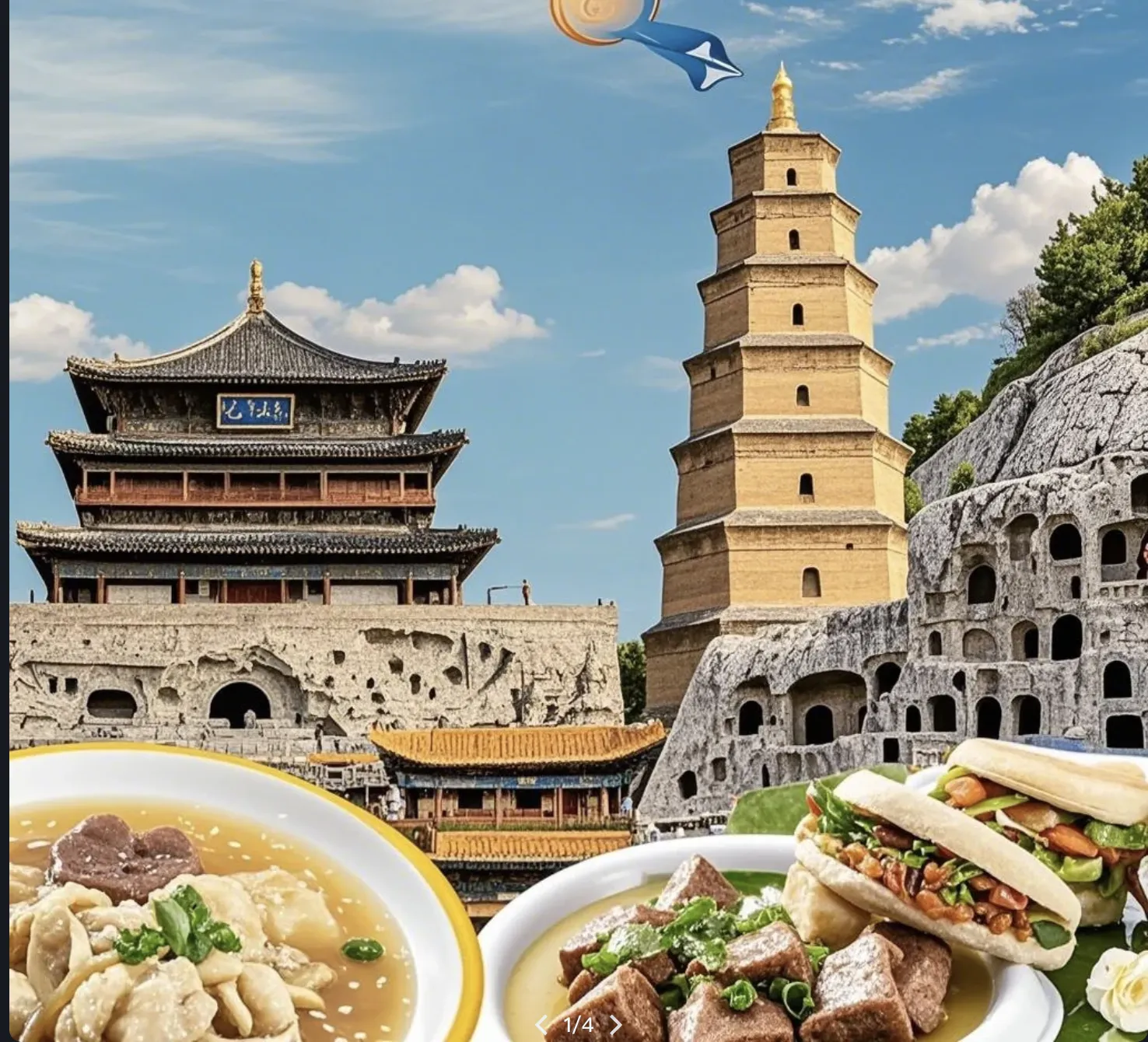
Xi'an food is what happens when Silk Road trade meets Central Asian cooking: hand-pulled biang biang noodles, roujiamo — the original "Chinese hamburger" — and yangrou paomo, a lamb soup where you tear your own bread into the bowl. A bowl of paomo runs ¥25–45; the Muslim Quarter's side streets are where locals actually eat, not the main drag.
Explore Food Guide
Xi'an — once called Chang'an — was China's capital for 13 dynasties and the eastern end of the Silk Road. Zhou kings founded a city here; Qin united China from here; Han caravans set out for Central Asia from here; and Tang Chang'an grew into a city of over a million people, the largest on earth in its day.
Discover HistoryXi'an rewards a slow visit, but even a tight 48 hours covers the essentials if you move smartly. These are the day-by-day routes we'd take ourselves.
Perfect for first-time visitors. Hit the essentials: Terracotta Warriors, City Wall cycling, and Muslim Quarter food exploration.
Day 1: Bell Tower → Drum Tower → Muslim Quarter → City Wall
Day 2: Terracotta Warriors → Big Wild Goose Pagoda
A comprehensive journey at a relaxed pace — includes all major sites plus hidden gems and cultural experiences.
Day 1: Bell & Drum Towers, Muslim Quarter
Day 2: Terracotta Warriors & Huaqing Palace
Day 3: City Wall, History Museum, Big Wild Goose Pagoda
Day 4: Mount Huashan or Daming Palace
Designed for families — balances educational sites with hands-on fun activities that kids will love.
Day 1: City Wall cycling, Bell Tower, Muslim Quarter
Day 2: Terracotta Warriors & pottery workshop
Day 3: Big Wild Goose Pagoda, fountain show
What to sort out before you arrive — payment apps, transport, visa and the things most guidebooks get wrong.
Direct flights, high-speed rail, and airport transfers explained.
Metro, buses, taxis, and bike rentals made simple.
Spring (Mar–May) & autumn (Sep–Nov) offer ideal weather.
Up-to-date visa requirements, currency tips, and payment options.
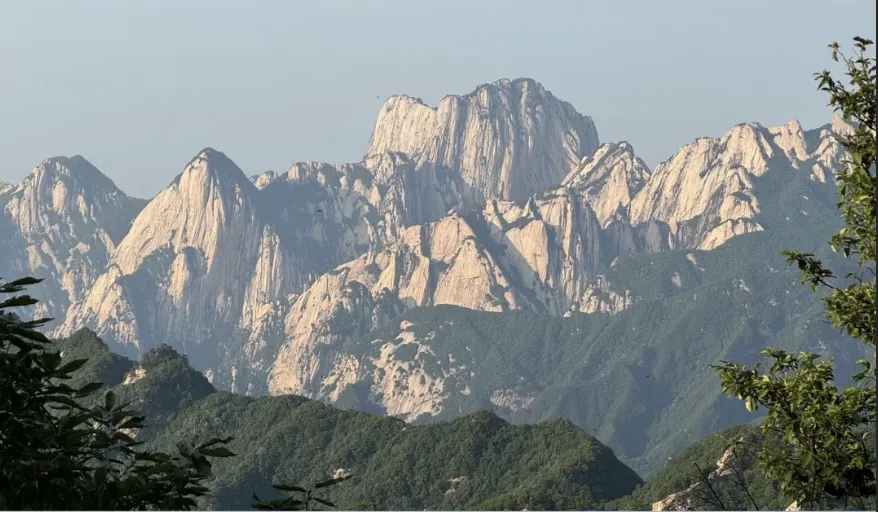
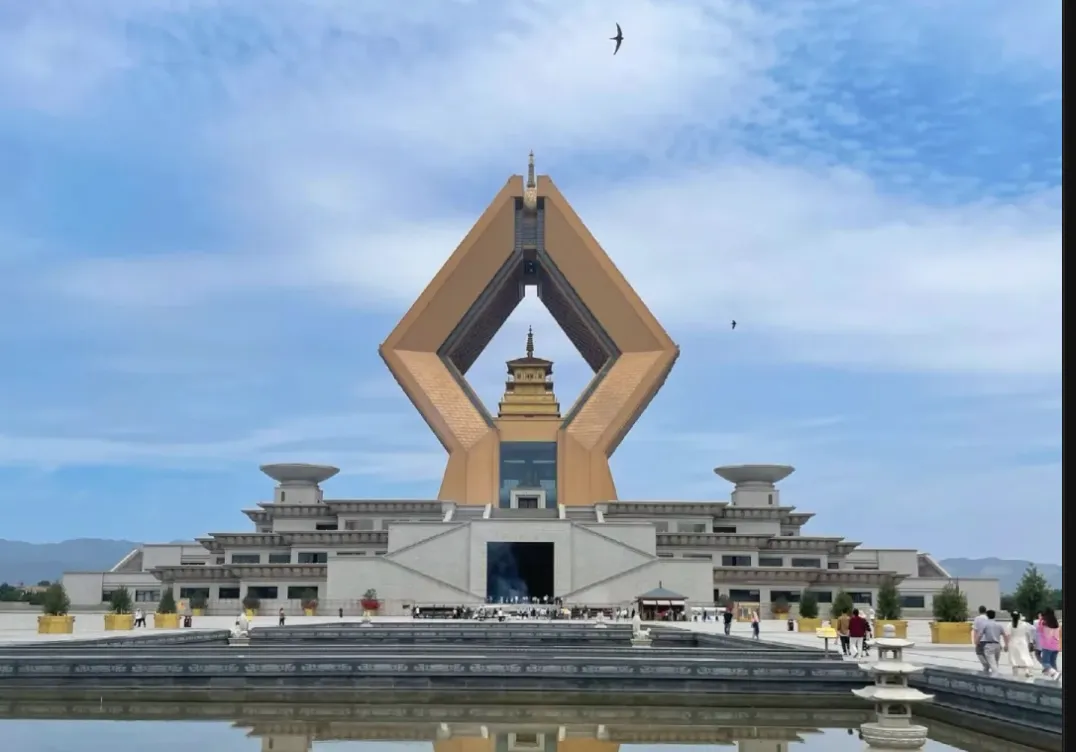
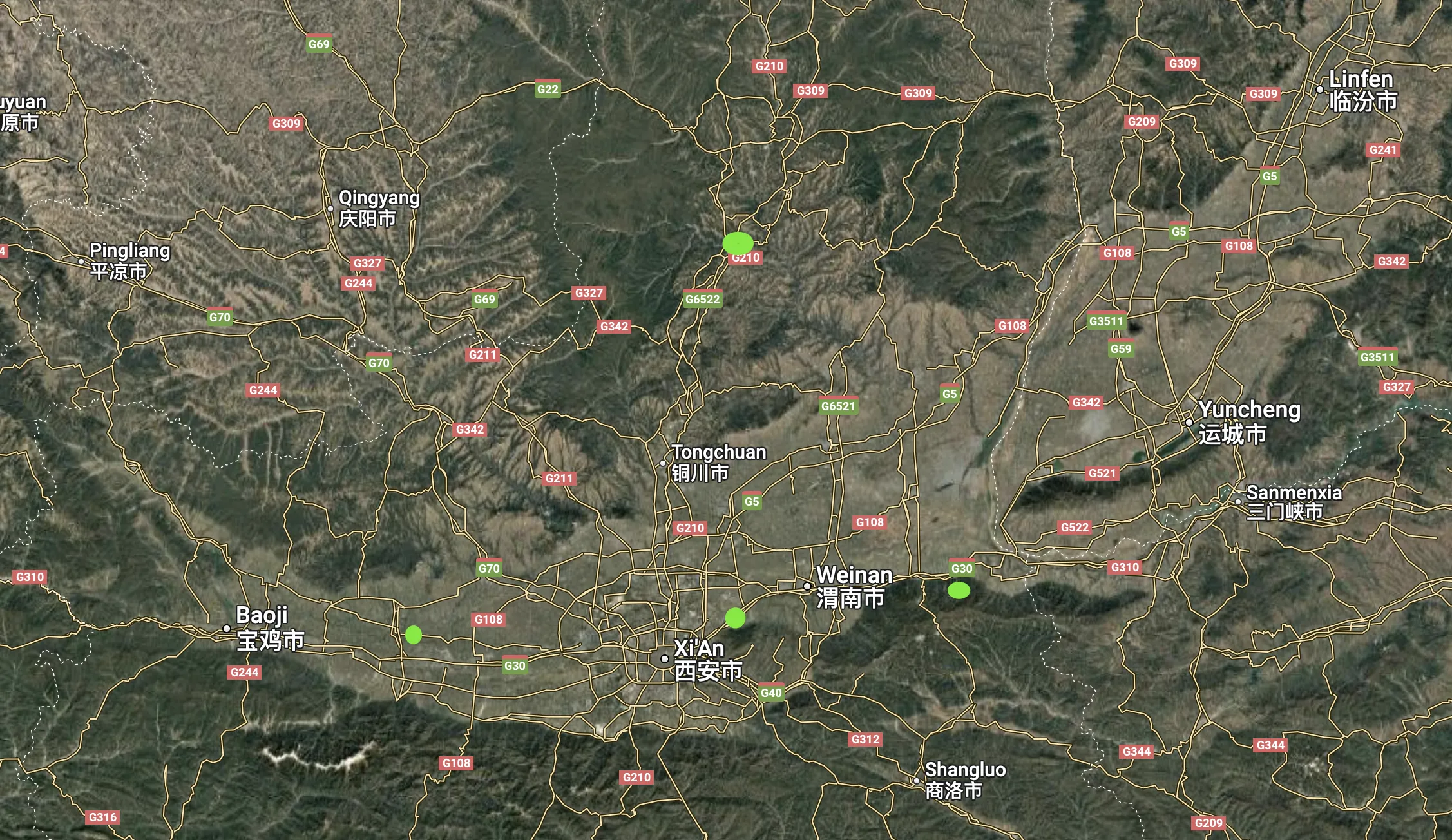
Beyond the walls: Huashan's cliffside plank walk is two hours away, Famen Temple's Buddha relic an hour and a half, Luoyang's Longmen Grottoes a two-hour high-speed rail ride.

One of China's Five Great Mountains — famous for its thrilling cliffside plank walk and breathtaking peaks.

A sacred Buddhist site housing a finger-bone relic of the Buddha — a masterpiece of Tang Dynasty architecture.

Discover Mausoleum of the First Qin Emperor, Yan'an revolutionary sites, Luoyang Longmen Grottoes, and more.
After dark, Xi'an switches eras. The Great Tang All Day Mall recreates Tang-dynasty streets with LED displays and performers in period costume; the High-tech Zone's cafes fill with students; the Bell Tower's traffic circle glows gold. The nightlife doesn't need history to compete — it just has more of it than most cities.
Discover Modern Xi'anAuto-generate day-by-day routes by interest, see walking times and budgets, then fine-tune your own schedule.