The first time someone asked me to plan Xi’an for a single day, I nearly apologized in advance. Twenty-four hours sounds like a cruel joke for a city that spent thirteen dynasties stockpiling stories, and every guidebook in the shop will tell you to allow at least three days. But then I actually ran the route myself — train in at 7:40 in the morning, train out the next morning — and I learned that the city forgives a tight schedule as long as you choose well. You cannot see everything, and you should not try. You can, however, see the two things that exist nowhere else on earth, and still have time for a bowl of noodles you’ll think about for a year.
Here is the version of that day I would defend to anyone: the Terracotta Army before the crowds, the City Wall by bicycle after lunch, and the Muslim Quarter plus the Bell Tower once the lights come on. Everything else is dessert. If you land at Xianyang International Airport (XIY), the metro (Line 14, then a transfer onto Line 2) gets you to the city center in about an hour for roughly ¥10, which beats any traffic gamble on the ring roads.
The logic of a single day
Xi’an’s headline sights split neatly into two groups. The Terracotta Army and the City Wall are one-of-a-kind — you cannot see anything like them in any other city in the world. The Bell Tower, the Drum Tower, the pagodas, the museum: all worth your time, but all the kind of thing a fast traveler has seen variations of elsewhere. So the rule for a one-day visit is brutal and simple. Spend your daylight on the two unique things, and let the rest happen in the hours around them. The good news is that the geography cooperates. The warriors sit to the east, the wall wraps the old city, and the Muslim Quarter spills out of the gap between the two towers, so the day flows in a line instead of zigzagging.
Morning: the Terracotta Army, before the tour buses
Leave your hotel by 07:30. I know that sounds like a holiday, not a holiday, but this is the single decision that decides the whole day. The site opens around 08:30, and the crowds arrive from 09:30 onward in waves off the tour coaches. If you are at the gate for the first entry, you get nearly an hour of relative peace in Pit 1, which is the one that matters — the ranks of warriors standing in their earthen trenches, most of them still looking out over a battlefield no one could have predicted.
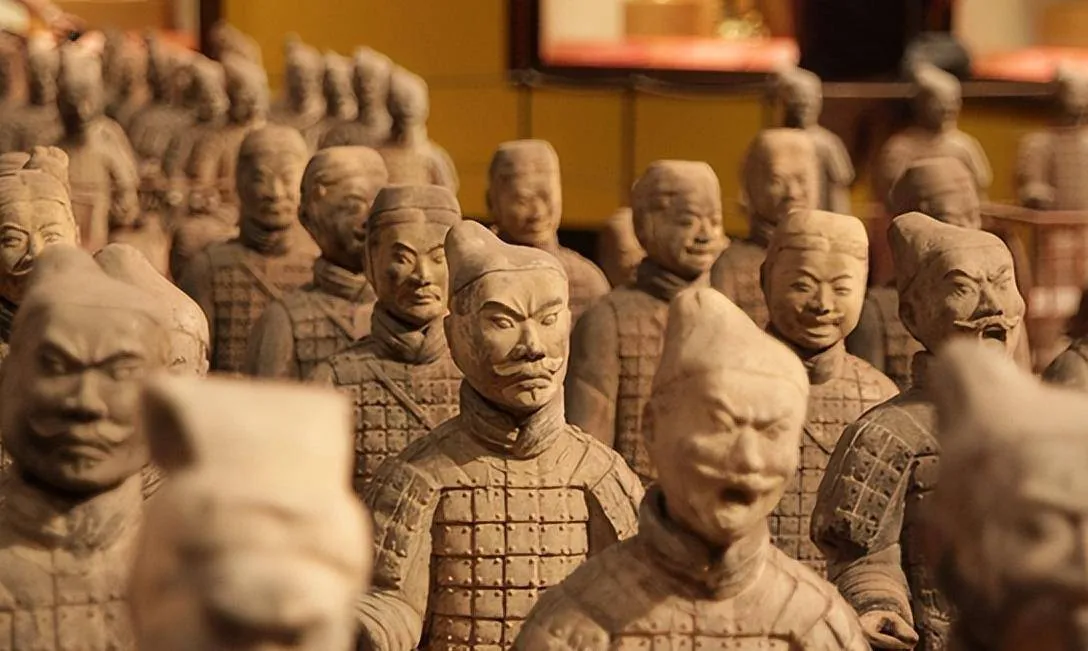
Getting there: take metro Line 9 east from the city center — it runs about an hour to the Huaqingchi area — then a five-minute taxi to the gate. Alternatively, the tourist coach from Xi’an Railway Station (the green one, look for the Terracotta Army sign) goes direct and costs about ¥30, but it leaves when it’s full, so the metro is the more predictable option in 2026. Tickets are about ¥120 and you should buy them as e-tickets on WeChat or Ctrip the night before; a passport is required for entry. Budget two and a half hours inside: Pit 1, the smaller Pits 2 and 3, and a slow walk through the exhibition hall where the bronze chariots live.
Midday: lunch in the Muslim Quarter
Back at the Bell Tower metro station around 13:00, walk north into the Muslim Quarter and keep walking past the first fifty meters of 回民街, the main drag. The food improves with every corner you turn. Duck into 大皮院, the lane running parallel, and order yangroupaomo — the flatbread you tear into a lamb broth that simmers at your table — for about ¥35 a bowl, or a roujiamo if you need something quicker and cheaper. I have eaten this exact lunch three times across two visits and never once regretted the detour past the souvenir stalls.

Afternoon: the City Wall by bicycle
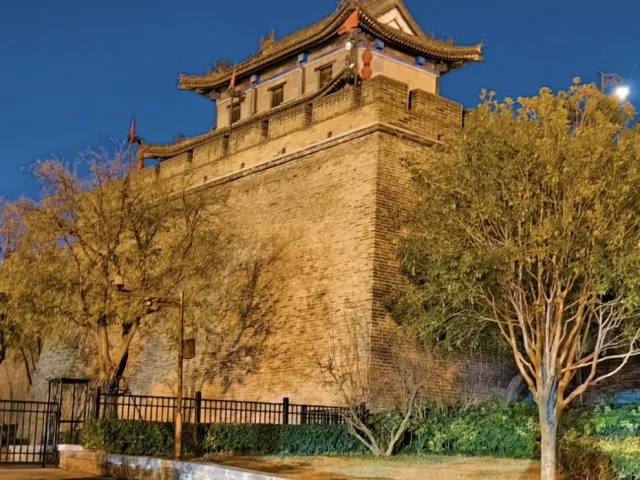
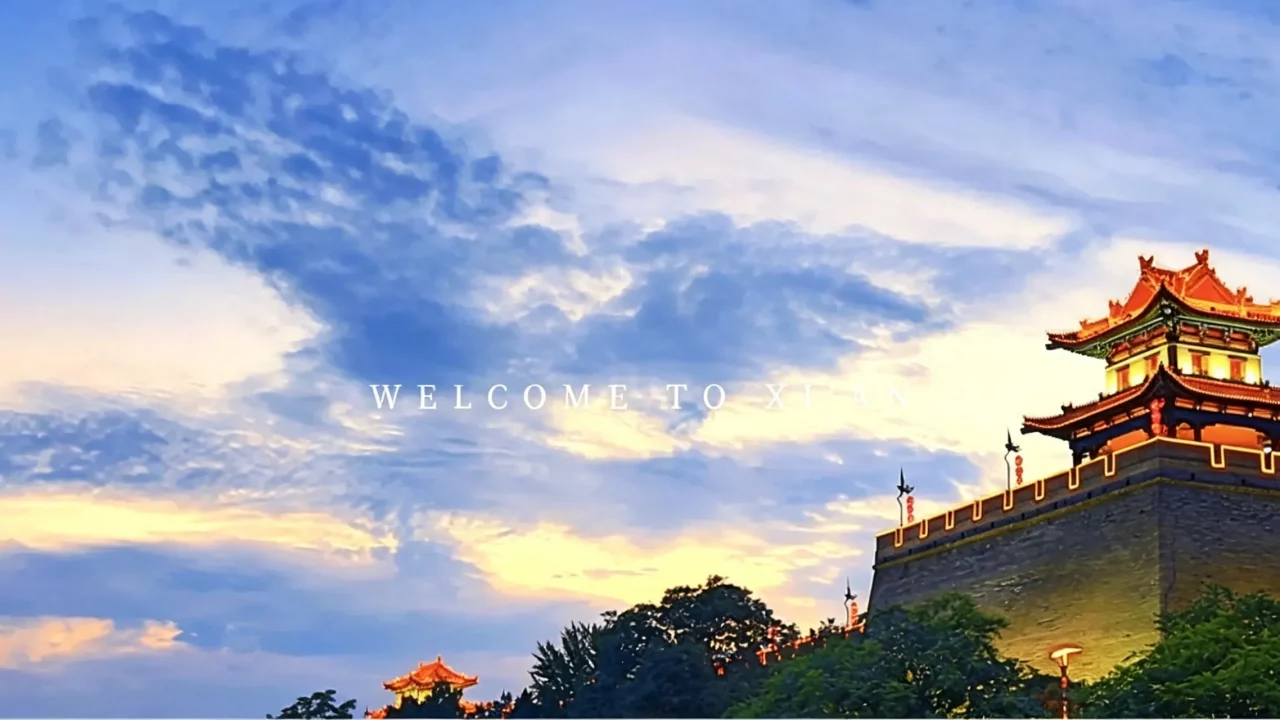
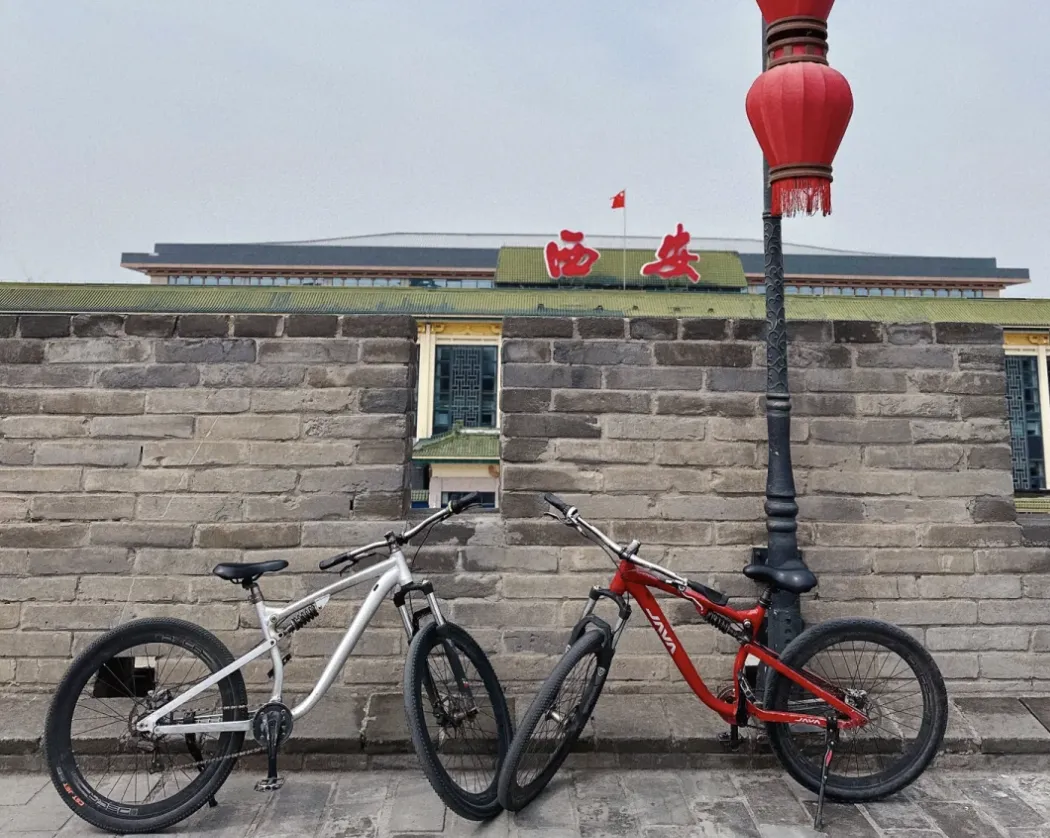
The wall is the best-paid ticket in the city, and I mean that fondly. Enter at Yongning Gate — the South Gate, the grand one with the triple arch — pay about ¥54, and rent a bicycle for about ¥45 for a hundred minutes. The loop runs 13.7 kilometers across the top of the ramparts, and the whole circuit takes about two hours at a lazy pace with stops at each corner tower. You will pass over the four main gates — Andingmen to the west, Anyuanmen to the north, Changlemen to the east — and watch the old city fall away beneath you. Do not skip this for the sake of time; it is the fastest way to understand how Xi’an fits together, and the best two hours of the day after the warriors.
Evening: towers lit, then Datang Everbright City
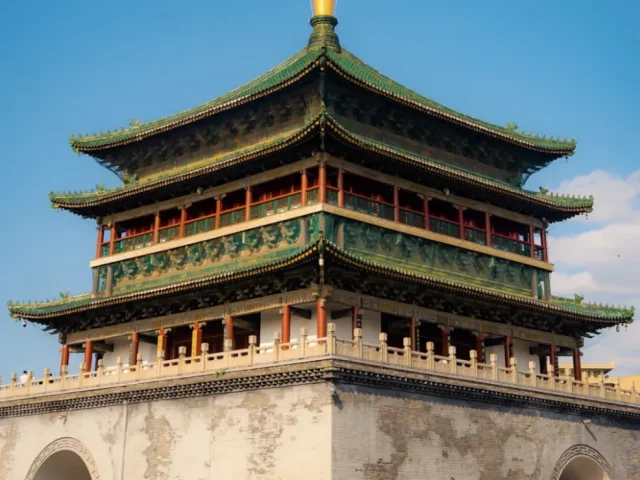
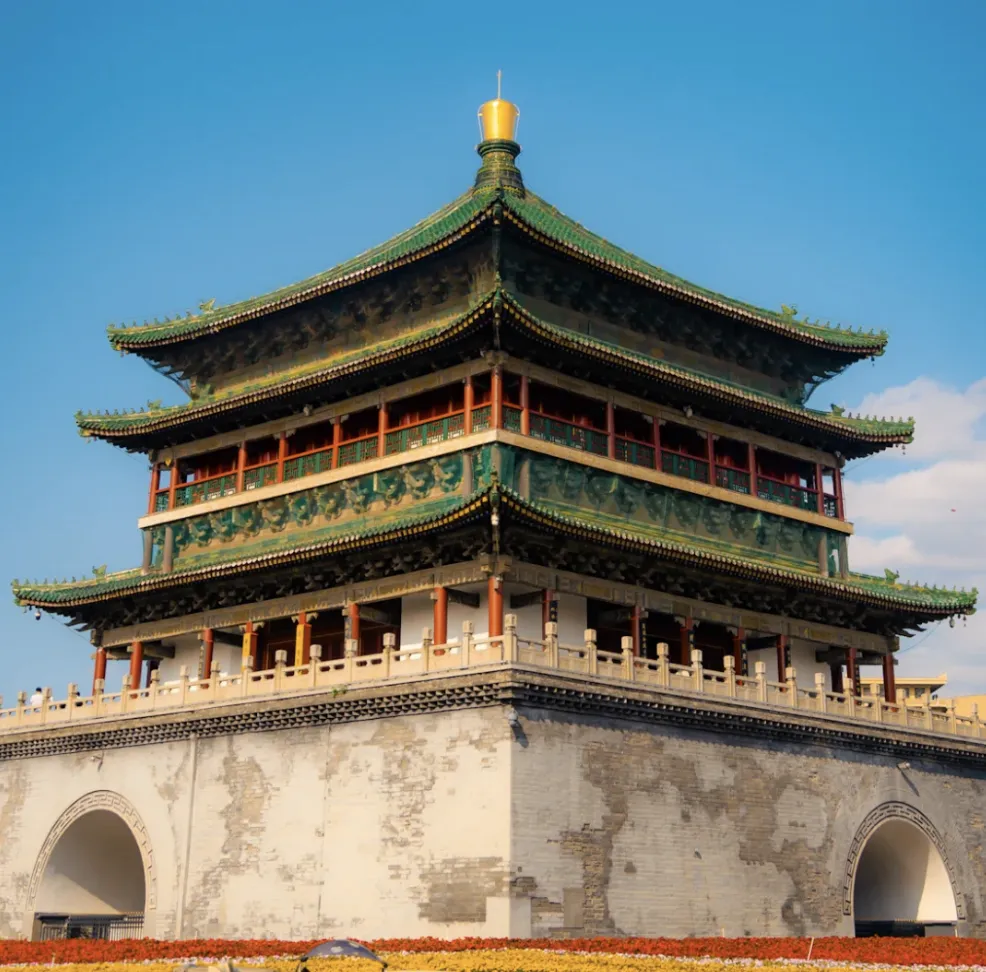
By 18:30 the light is going soft. Climb either the Bell Tower or the Drum Tower (about ¥30 each, ¥50 for both) and watch the traffic rotate around them, or simply stand at the roundabout and let the towers do the work — the view from ground level with the lanterns coming on is half the appeal. If you have any energy left, take metro Line 4 south to Dayanta and walk Datang Everbright City, the long pedestrian strip where the Tang-era streetlamps and roof lines glow after dark. The music fountain at the north square of the Big Wild Goose Pagoda runs a couple of times a night in summer, usually once around noon and again after dark; check the boards at the square, because the evening slot is worth timing for.
What the day costs
- Metro and taxis: roughly ¥40–60 for the whole day
- Terracotta Army: about ¥120
- City Wall plus bike rental: about ¥100
- Food: about ¥120–150 for lunch, snacks and dinner
- Optional: Bell and Drum Tower combo, about ¥50
That lands around ¥450 for a day that covers the two unmissable sites plus the old city’s best evening. Not bad for a day that most people assume cannot be done at all.
Tips for one day in Xi’an
- Buy the Terracotta Army e-ticket the night before — the ticket office line at 08:30 is where the morning dies.
- Carry your passport everywhere; the terracotta site checks it at entry, and hotels ask for it on check-in.
- If your train or flight leaves before 16:00, swap the wall for the warriors-only morning and skip the towers — keep the big two, cut the rest.
- Leave your luggage with your hotel or in a station locker. A backpack on the wall bike ride is fine; a suitcase is a mistake.
- Set up Alipay or WeChat Pay before you arrive. Street stalls in the Muslim Quarter are cash-first or QR-first, and few accept foreign cards.
- Do not schedule the wall for after sunset as your only wall time — the gates and ramparts are lit, but the bike ride needs daylight to earn its keep.
When my train pulled out of Xi’an the next morning, I had been in the city for twenty-three hours, and the sum of it was this: I had stood in front of soldiers who have been on guard duty for over two thousand years, and I had ridden a bicycle around a wall that kept the city safe for six hundred. A longer visit is always better, and I have made several since. But if one day is what you have, take this one. It is not a compromise; it is the city distilled.