When my friend Miguel asked me to plan three days that would explain Xi’an instead of just ticking it off, I didn’t hand him a list. I handed him a sequence — an order that builds the city’s story the way it actually happened. Start with the emperor who unified China, spend a day on the people who wrote and carved and prayed, and finish with the dynasty that turned Chang’an into the world’s biggest city. Three days, three layers, and by the end he understood something most visitors miss: Xi’an doesn’t just have layers. The layers are the point.
This is that route, the one I’ve now run for three separate friends, and it works because each day answers a different question: where did China come from, how did it remember, and what does it do with the memory?
Day One — The Emperor’s Outskirts (Lintong)
Morning: The Terracotta Army
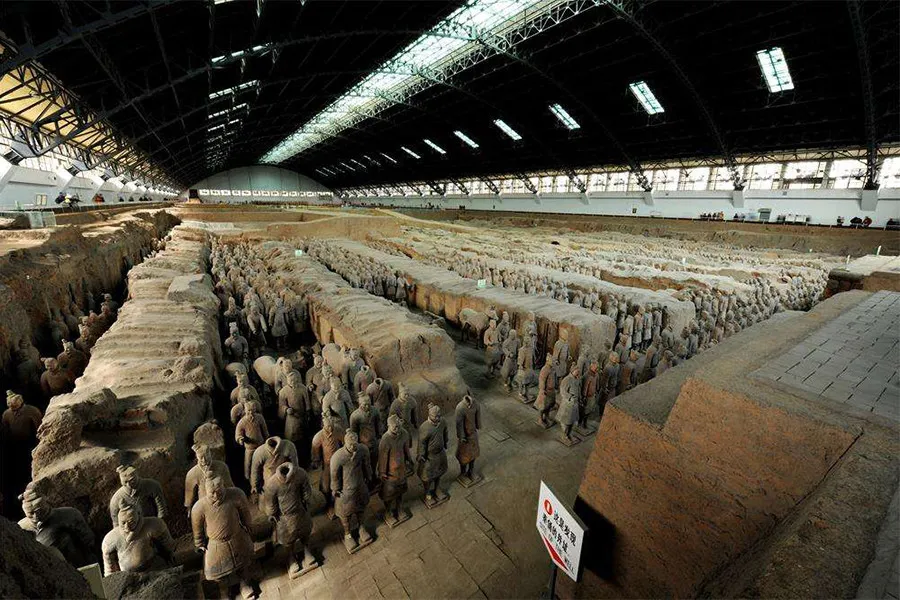
There is no skipping this, so put it first and get it done while you’re fresh. The pits sit about an hour east of the city, and in 2026 the painless way is metro Line 1 to Fangzhicheng, then Line 9 toward Lintong, then a short shuttle from the Huaqingchi station. Entrance is about ¥120, open 08:30–18:00, and the crowd is manageable if you’re at the gate before 09:30.
Pit 1 is the opening act you’ve seen in a thousand photos, and it still lands. Pit 2 has the kneeling archer and the general figures, worth the detour for the detail you can’t see from the viewing rail of Pit 1. After the pits, take the free shuttle to the mausoleum mound site (Lishanyuan) — the actual burial hill of Qin Shi Huang — where the bronze chariots now live. Most tour groups skip it, which means you’ll finally get a quiet ten minutes in a place that deserves one.
Afternoon: Huaqing Palace
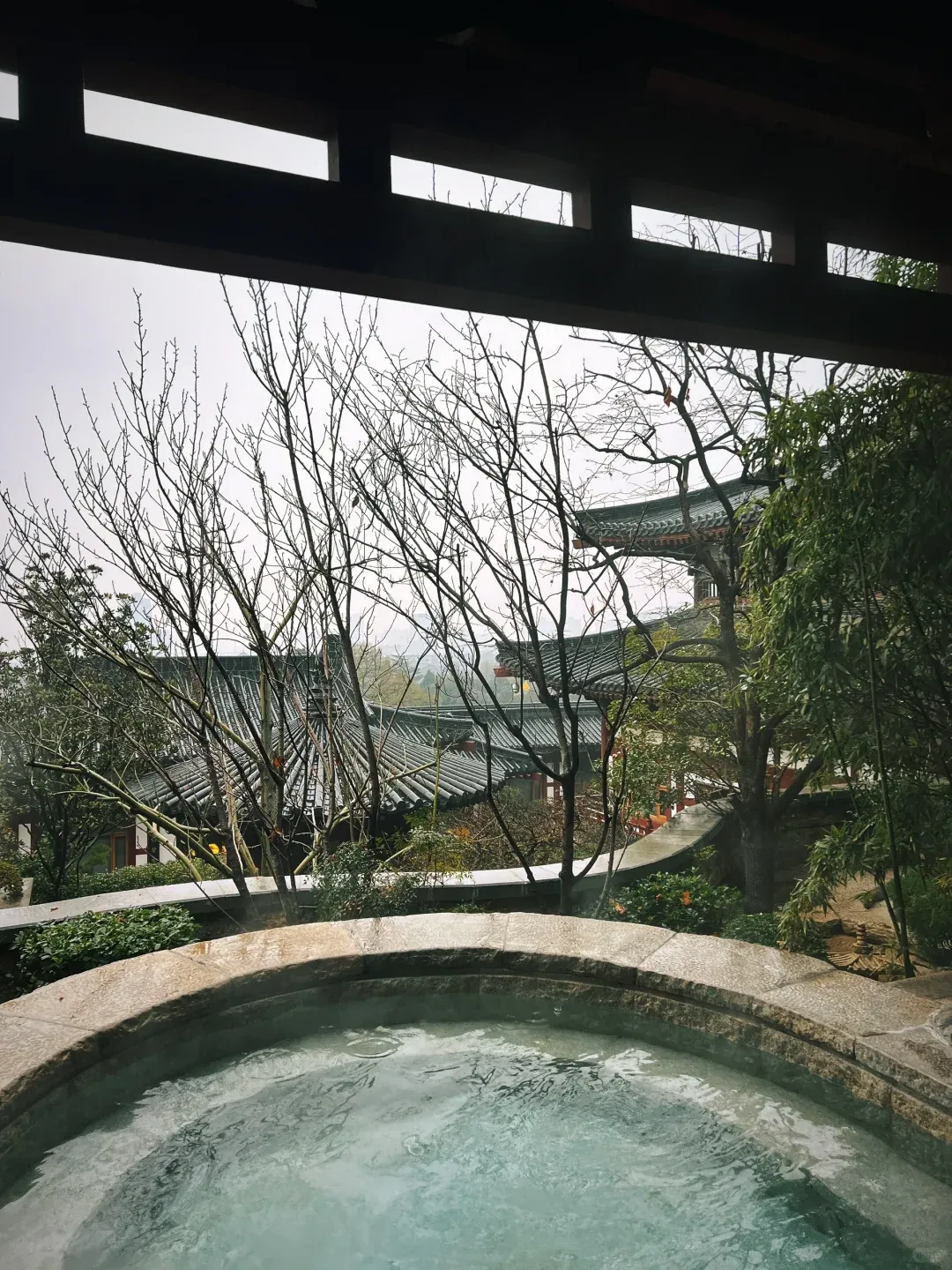
Five minutes by shuttle from the pits, Huaqing Palace is the same mountain, two thousand years later. The Tang emperors built their hot-spring resort here, and the pools of Yang Guifei — the concubine who ruined and obsessed the emperor Xuanzong — are still outlined in stone. Ticket about ¥120, open until 18:00. Spend an hour on the springs and another climbing the slope behind the palace to the small pavilion where Chiang Kai-shek was caught in his nightshirt during the 1936 Xi’an Incident. The two histories sit on one hillside, and that collision is very Xi’an.
Evening: The Song of Everlasting Sorrow (optional)
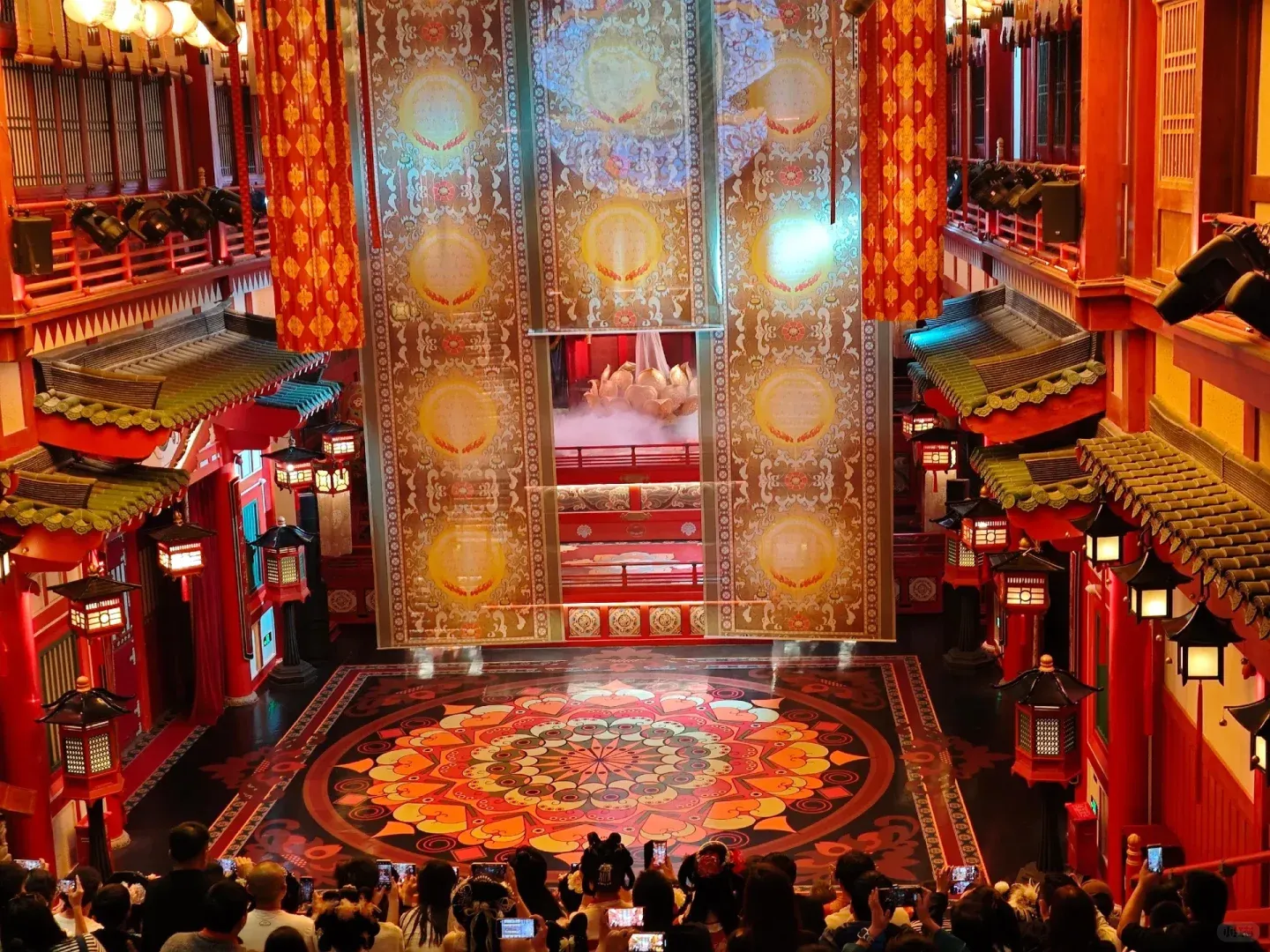
If you’ve got the legs and the budget, the outdoor night show at Huaqing Palace — the Song of Everlasting Sorrow — is staged on the water against the mountain, with hundreds of performers and enough light to turn the whole hillside into a stage. It runs roughly April to October, tickets from about ¥280, and it books out, so reserve before you leave the city. It’s theatre, not history, but it’s the only way to feel the scale of the place at night.
Day Two — Written in Stone
Morning: Shaanxi History Museum
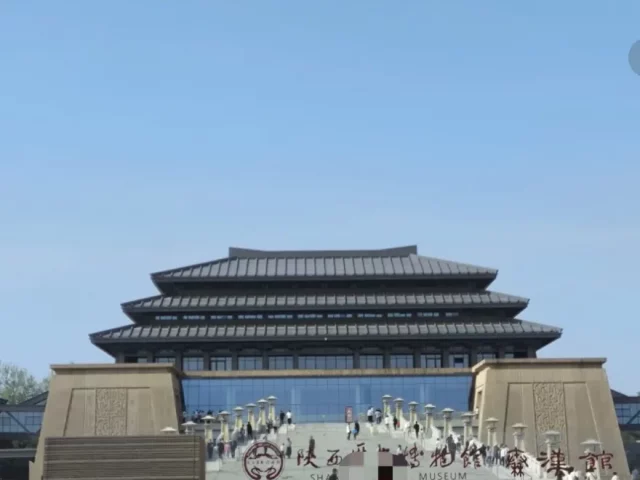
Back in the city, start at the Shaanxi History Museum. Free main galleries, advance reservation on the official WeChat account, closed Mondays, and the Tang Treasures annex at about ¥30 if you want the condensed version. I told Miguel to do the full loop in order — prehistoric pots to Tang gold to Ming porcelain — because the museum is the city’s argument for itself, laid out in cabinets. Two hours minimum; three is better.
Afternoon: The Forest of Stone Stelae
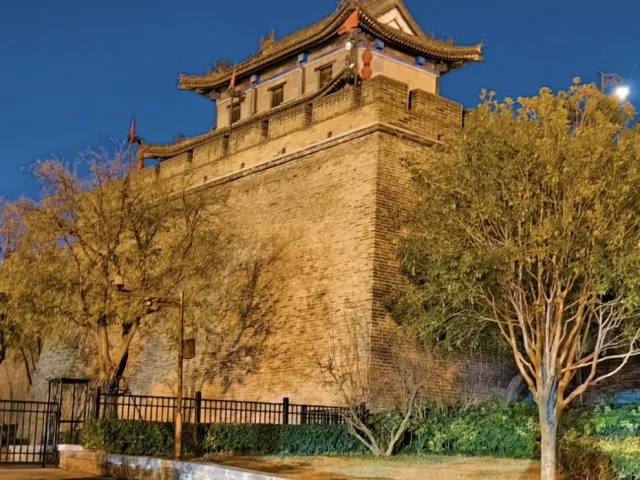
The Forest of Stone Stelae, on the south side of the old city near the South Gate, is the museum that has nothing to do with gold. It’s a forest of stone slabs — more than a thousand of them, carved over a thousand years — carrying the text of Confucian classics, poetry, and edicts that generations of scholars used as textbooks. The ticket is about ¥65, and the central hall, where the Confucian classics fill every wall, is the closest thing China has to a library built from bedrock. Even if you can’t read a single character, stand in the middle and listen: this is how a civilization backed up its files.
Evening: The Drum Tower and the Muslim Quarter
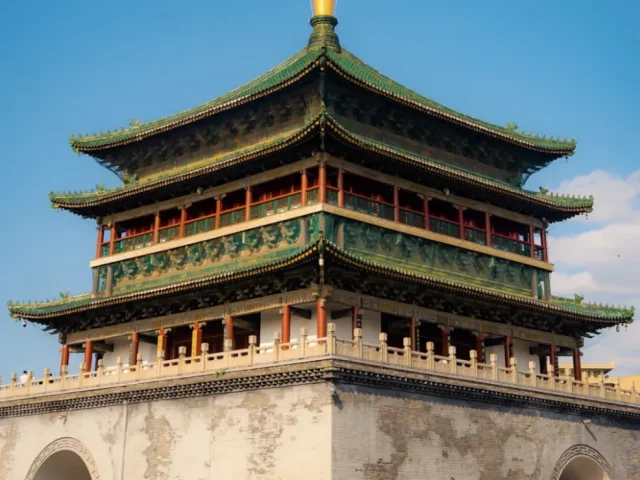
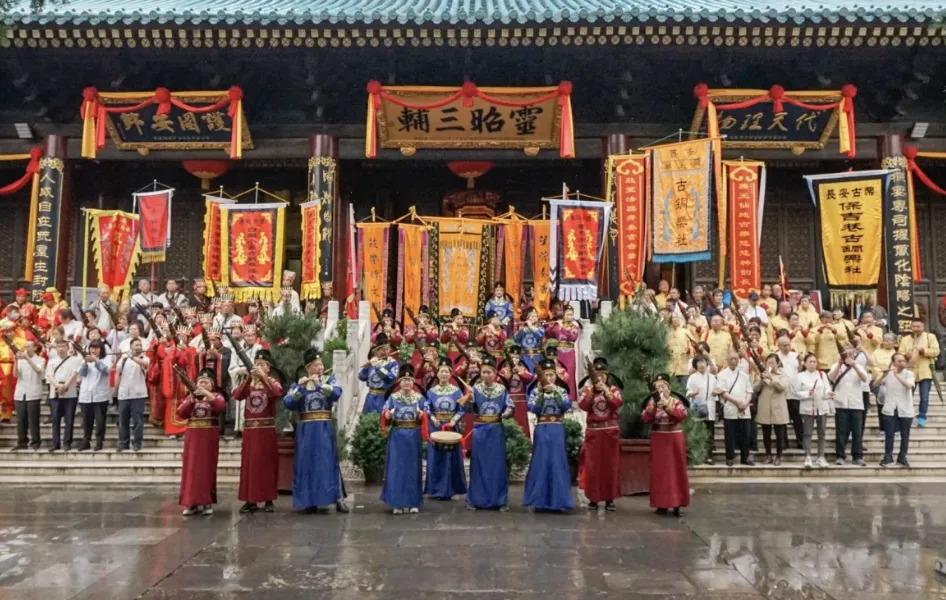
End the day where the city always ended its days — at the Drum Tower, about ¥30 to climb, or ¥50 combined with the Bell Tower. Below it spreads the Muslim Quarter, and this is the moment for dinner: lamb paomo where you tear the bread yourself, roujiamo from a queue that hasn’t stopped in twenty years, and sweet persimmon cakes when you think you’re done. If you’re lucky, an evening drum performance or a Xi’an drum-music troupe will be playing in the old town — the UNESCO-listed drum music of Xi’an surfaces at the Drum Tower and temple festivals, and there’s no better soundtrack for this day.
Day Three — The Tang Revival
Morning: Daci’en Temple and the Big Wild Goose Pagoda
Day three is the day Xi’an shows off. Daci’en Temple is about ¥50, another ¥30 to climb the pagoda, and it’s worth arriving at 09:00 before the school groups. Climb the spiral, look south over the city that the Tang built, and think about Xuanzang standing in the same spot with his seventeen years of luggage.
Midday: The Small Wild Goose Pagoda
A short ride across the south of the city, the Small Wild Goose Pagoda in the Xi’an Museum grounds is the antidote to its big sibling — free with the standard reservation, quiet gardens, and a lean that makes you want to hold it up. Twenty minutes inside the walls, and the day slows back down to a walk.
Golden Hour: Datang Everbright City
Spend the late afternoon in Datang Everbright City — the Tang-styled pedestrian street that runs from the pagoda north. This is where the city performs its own mythology: costumed officials on stilts, calligraphy painted on the paving stones, and, after dark, the fountain show and the crowds moving down the boulevard like a river. It’s touristy, it’s theatrical, and it’s the point — this is a dynasty that refuses to end quietly.
Practical Details
- Terracotta Army: about ¥120; Huaqing Palace: about ¥120; both around 08:30–18:00.
- Shaanxi History Museum and Xi’an Museum: free, advance reservation, closed Mondays.
- Forest of Stone Stelae: about ¥65; Drum Tower about ¥30, combo with Bell Tower about ¥50.
- Song of Everlasting Sorrow: from about ¥280, April–October, book in advance.
- Metro: Line 1 + Line 9 to Lintong; Line 2 for the old town and museum district.
Tips
- Do the Terracotta Army on a weekday if you can; Sunday crowds are a different sport.
- Book the museum reservations and the night show the moment your flights are locked.
- At the pits, walk against the tour-group flow — start in Pit 2 and work back to Pit 1.
- The free shuttle to the mausoleum mound runs from the main exit; ask for “Lishanyuan” at the information desk.
- Carry your passport to every ticket window; QR codes alone won’t always get you in.
- Restaurant order in the Muslim Quarter: find the longest queue of locals, stand in it, order what the person in front orders.
Miguel sent me a message that last evening, from the middle of Datang Everbright City, with a photo of the pagoda lit up behind him. “I get it now,” he wrote. “It’s not one city. It’s three cities stacked, and they all open at different hours.” That’s the whole route, right there.