I had visited the Terracotta Warriors twice before I finally made the trip to the burial mound they were built to guard — and that, I now think, is the mistake most visitors make. You shuffle through Pit 1 with everyone else, photograph the ranked armies, and leave believing you have seen Qin Shi Huang’s tomb. You haven’t. The tomb itself lies about two kilometres to the west, a grass-covered hill rising out of the farmland as quietly as a sleeping animal. On my third visit to the area I finally walked up to it, and I have been telling every Xi’an visitor the same thing since: skip it and you are missing the most atmospheric half-day in the region.
Emperor Qin’s Mausoleum: Quick Facts (2026)
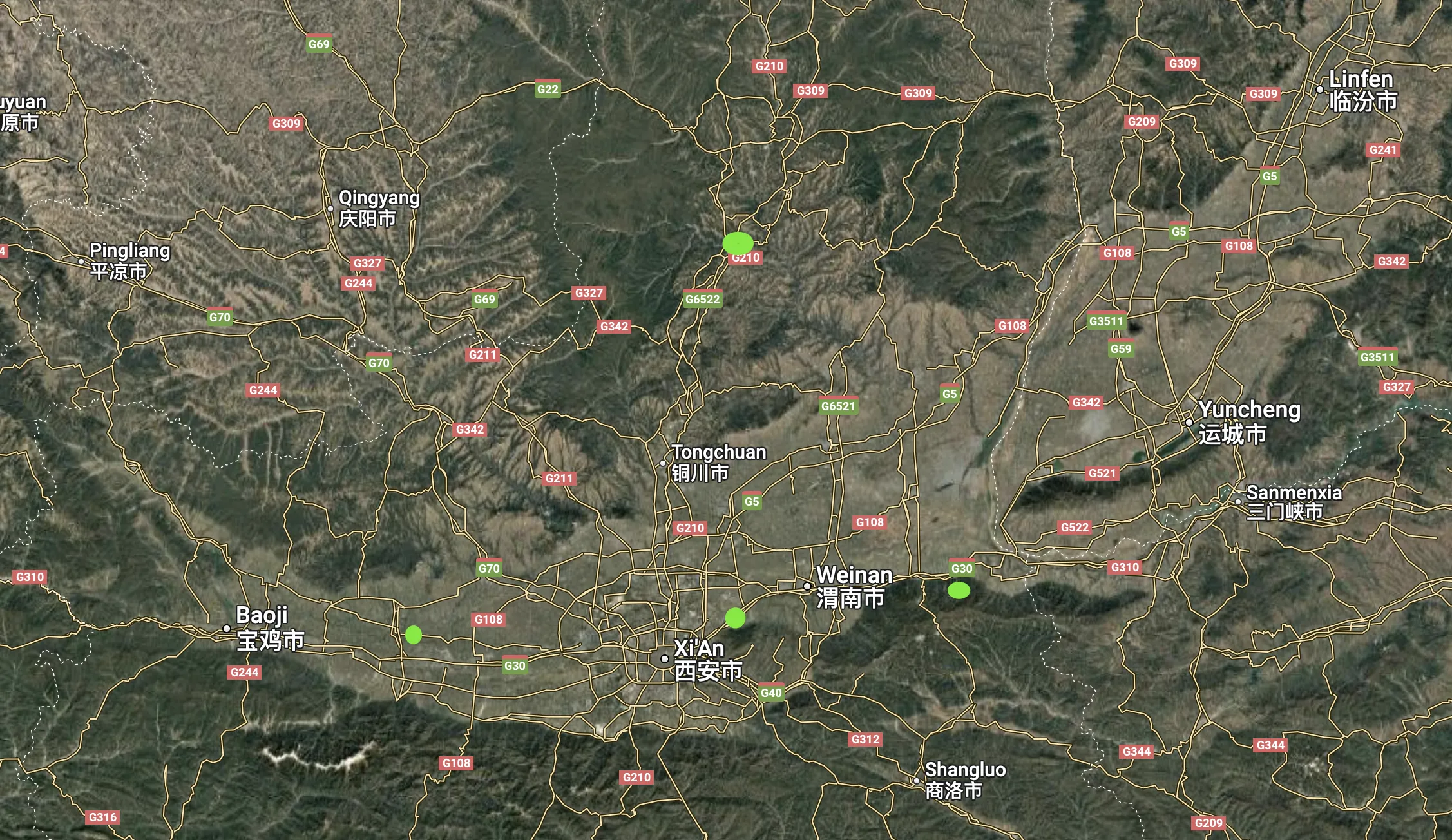
- Location: Lintong District, about 35 km east of Xi’an city centre, next door to the Terracotta Warriors site
- What it is: the burial mound and surrounding ritual grounds of China’s first emperor; the tomb chamber itself remains unopened for conservation
- Entrance fee: around 90 RMB, a separate ticket from the Terracotta Warriors (official prices may change)
- Getting there: tourist bus line 5 (306) from Xi’an Railway Station East Square, then a free shuttle between the two sites (about 2 km)
- Best season: March-May and September-November
- Recommended time: 2-3 hours at the mausoleum; a full day when combined with the Warriors
Why the Mausoleum Matters More Than the Warriors
Qin Shi Huang is the figure who made China one country. In 221 BC, after defeating the last of the six rival states, the King of Qin declared himself the First Emperor and spent the rest of his life standardising writing, weights, currency and axle widths while building roads, canals and the earliest stretches of the Great Wall. He had started work on his mausoleum at the age of thirteen; by the time he died in 210 BC, a workforce that Sima Qian’s Records of the Grand Historian puts at more than 700,000 people had spent nearly four decades shaping a palace for the afterlife. The same text describes rivers of mercury made to flow mechanically, a ceiling studded with pearls as stars, and crossbow traps rigged against grave robbers.
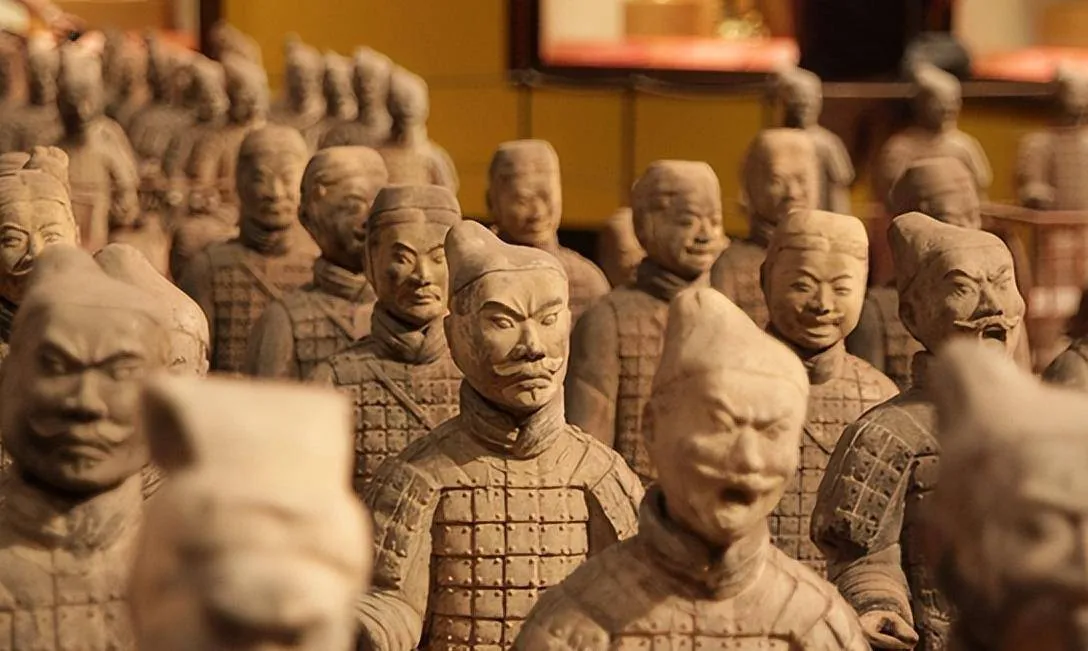
Here is the part that catches people out: the Terracotta Army is not the tomb. It is one group of pits among several hundred scattered across a burial complex of more than fifty square kilometres, positioned east of the mound — facing the former states the emperor had conquered, as if standing guard. The mound itself is the real thing, and the chamber beneath it has never been opened. In 1974, farmers digging a well in Xiyang village stumbled on the first fragments of a warrior, and the modern story of the site began. In 1987 UNESCO listed the entire complex as a World Heritage Site. The warriors are the showroom; the mound is the house — and the house has been locked for over 2,200 years.
What You Actually See at the Mausoleum
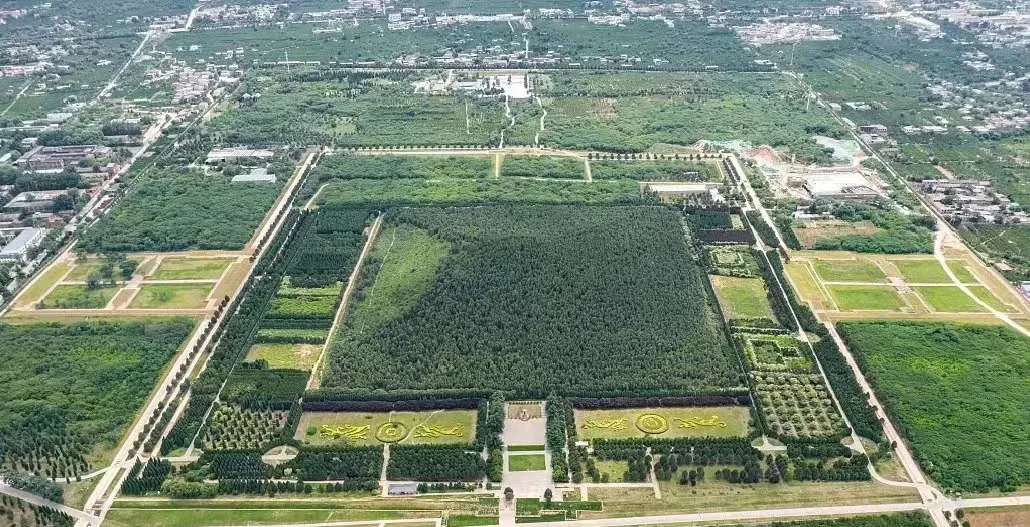
The centrepiece is the mound itself: roughly 350 metres across at its base and still about 76 metres tall after two millennia of wind and rain. A paved path loops around it, and from the south side you look up at the grass against the backdrop of Mount Li. It sounds modest — and then you stand at its foot and grasp that every square metre of that hill is man-made fill piled over a tomb that has never been opened. That realisation hits people in a way the warriors never quite do.
The site’s western section, Lishan Garden, holds the smaller excavations: the acrobat figurine pit, where performers are frozen mid-act with their arms raised toward a ball you cannot see, and the civil official pit, with its seated bureaucrats wearing the most patient faces in Chinese sculpture. An exhibition hall displays artifacts excavated from the complex. Unlike Pit 1, these rooms are genuinely quiet — at times I had them entirely to myself. A site shuttle connects the mound and the gardens. The famous bronze chariots now live across at the Warriors museum, which is another reason to treat the two sites as one day rather than two trips.
What you will not see is the tomb chamber — and that is the point of the place. Soil surveys in the 1980s found mercury levels far above normal around the mound, matching Sima Qian’s description of mercury rivers; non-invasive scans, including a muon-based study widely reported in 2020, have hinted at large empty spaces beneath the fill. The official position is unchanged: no excavation, because the technology to open the tomb without destroying what is inside does not exist. You are standing over a time capsule that may outlive us all.
Getting There and the Two-Ticket Question
The classic route is the tourist bus line 5 (306) from the East Square of Xi’an Railway Station, which heads east towards Lintong and drops you at the Terracotta Warriors ticket area in roughly an hour, traffic permitting. In recent years Xi’an’s Metro Line 9 has also reached Lintong; from the station you still need a short taxi or shuttle ride to the site, so pick whichever suits where you are staying. The two sites are about two kilometres apart and connected by a free shuttle — a taxi is only a few yuan if the queue is long.
Worth saying clearly, because it surprises people: the mausoleum ticket is separate from the Terracotta Warriors ticket. The warriors’ ticket is the pricier of the two — around 120 RMB at the time of writing — while the mausoleum costs about 90 RMB, and both are subject to change, so confirm on the official channels before you go.
- Terracotta Warriors (Pits 1-3 and the museum): separate ticket, around 120 RMB (official prices may change)
- Mausoleum / Lishan Garden (mound, pits, exhibition): separate ticket, around 90 RMB (official prices may change)
- Shuttle between the two: free, a couple of kilometres
For general advice on moving around Xi’an, our travel tips page has you covered; and if you are planning a bigger set of day trips, our day-trips overview compares this Lintong route with Huashan and the Famen Temple run.
My Morning at the Mound
The shuttle pulled up at a gate that felt like the service entrance of history — no ticket crowds, just a wide path through trees. I walked until the trees fell away, and there it was: the mound, so evenly grassed that it could have passed for a natural hill, except that nothing about it is natural. A warm wind crossed the slope and cicadas buzzed in the poplars at the edge. I stood at the base for a long time doing the arithmetic: 700,000 people, four decades, a mountain built by hand for one man — and the door still shut.
In the exhibition hall I found the acrobat figures, men frozen mid-performance, one with his arms raised as if catching a ball in the air; beside them sat a kneeling civil official with the most patient face I have seen in any museum. The audio guide told the story of the mercury and the crossbow traps, but I kept looking out the window at the grass slope, knowing the real thing was a few hundred metres away and tens of metres down. When I left, the shuttle was half empty, and I felt almost guilty about how much of the place I’d had to myself.
Combining It with the Terracotta Warriors: Step by Step
- Leave central Xi’an early — aim to be at the ticket area by 9:00, before the tour groups land. Bus 306 from the Railway Station East Square, the metro, or a booked driver all work.
- Morning: the pits. Pit 1 first (the big army), then Pit 3 (the command post), then Pit 2 (the mixed units). Allow 2.5-3 hours including the museum’s bronze chariots.
- Eat before you cross. The mausoleum side has limited facilities; grab lunch or snacks on the Warriors side and carry water — the mound has almost no shade.
- Take the free shuttle across the fields to the mausoleum and Lishan Garden (about 2 km).
- Afternoon: the mound. Walk the loop around the base, visit the acrobat and civil official pits, and the exhibition hall. Allow 2-3 hours.
- Optional: Huaqing Pool (华清宫), the Tang dynasty hot-spring palace at the foot of Mount Li, sits on the way back and can be tacked on if your legs still work.
- Return to Xi’an the same way; back in the city there is no shortage of good dinner spots — our food guide has the details.
Families, Seasons and Cameras
Families: this is one of the most kid-friendly stops in the Lintong area — a huge open green space where children can actually run, plus site shuttles that break up the walking. Bring water, snacks and hats; facilities on the mausoleum side are basic.
Seasons: March-May and September-November are the sweet spot, with mild temperatures and clear air. July and August are brutal out on the open mound — heat radiates off the grass and there is no shade — so go early and hydrate constantly. Winter is dry and cold, the grass turns straw-coloured, and the low light is gorgeous. Rain makes the mound path slick, but the paving drains quickly.
Photography: the mound photographs best from the southern approach, where the grass hill rises against Mount Li. Mid-morning and late afternoon give the warmest light; noon on a hazy day flattens everything. In the exhibition halls photography is generally fine — mind the signs and skip flash where it is banned. Bring a wide lens for the mound and a telephoto for the acrobat figures’ faces.
If you combine the Warriors, the mausoleum and Huaqing Pool, be prepared for a long, full day on your feet — comfortable shoes and an early start are the whole trick. For the bigger picture of what else sits within a day of Xi’an, our attractions page is worth a scan before you commit.
A Note on Timeliness (2026)
Everything in this guide reflects the site as of 2026, but prices, opening hours, shuttle schedules and even bus line numbers do change. Before you go, confirm the current ticket price and opening hours through the official channels of the Qin Shi Huang Mausoleum Museum (秦始皇帝陵博物院), and check the on-site boards for shuttle times. And if you see headlines about the tomb being “opened”, treat them with scepticism — as of this writing the official position remains: no excavation.
Frequently Asked Questions
- Why hasn’t the tomb been opened? Conservation comes first. Opening a 2,200-year-old sealed chamber without destroying what is inside — textiles, lacquer, painted surfaces, the mercury Sima Qian described — is beyond current technology, and Chinese heritage policy prefers to wait. Surveys keep learning about the tomb without digging it.
- Is it the same ticket as the Terracotta Warriors? No. The mausoleum (Lishan Garden) uses a separate ticket, around 90 RMB at the time of writing, distinct from the Warriors ticket. Re-check both against official prices before your trip.
- How long do I need? Two to three hours at the mausoleum alone, comfortably; paired with the Warriors pits, plan for a full day.
- How do I fit it and the Warriors into one day? Morning at the pits, free shuttle across, afternoon at the mound. The order matters less than starting early — the shuttle is short and the site is compact.
- Is it worth visiting if I’ve already seen the Warriors? For me, yes — it is the quieter half of the same story, and the mound is where the emperor actually lies. If you are exhausted and short on time, the Warriors are the unmissable part; the mound is the part you will keep thinking about afterwards.
My Verdict
The Terracotta Warriors are a spectacle; the mausoleum is a monument. One you photograph, the other you stand in front of and feel small. Two visits in, I had somehow convinced myself that the tomb was just the ticket you buy to see the soldiers — and I was wrong. The soldiers are the guardhouse. The hill is the house. Give the mound its afternoon, walk the grass in the wind, and let the quiet do its work. It is the best half-day in Lintong that almost nobody plans.