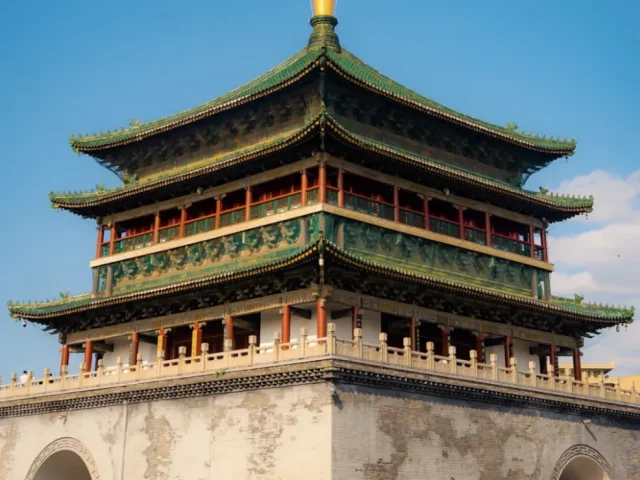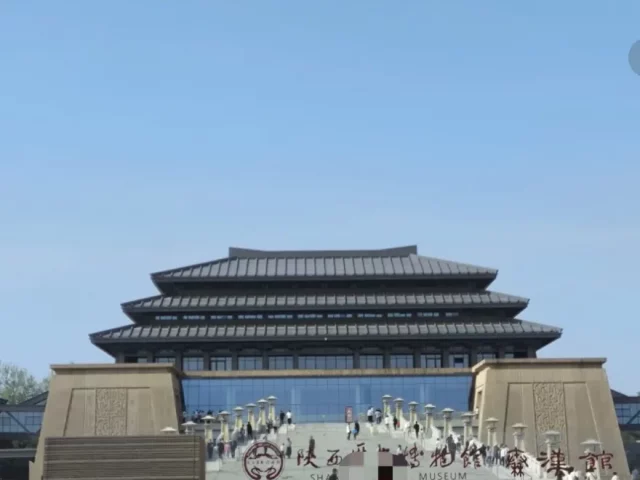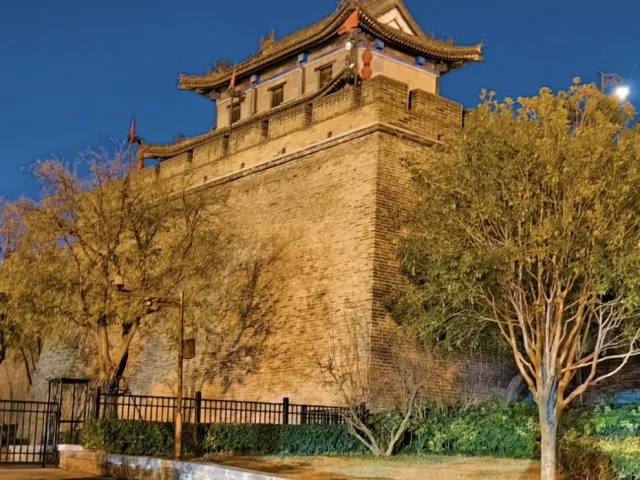
My friend Marta had never set foot in China before, and when she asked where she should spend her first three days, I did not hesitate for a second. Xi’an, I told her, and then I gave her a rule that turned out to be the whole trick: don’t try to see “Xi’an.” See three Xi’ans — one per day, one dynasty per day. Day one, the Ming dynasty city inside the wall. Day two, the Qin dynasty, out east where the Terracotta Army keeps its guard. Day three, the Tang dynasty, down south around the Big Wild Goose Pagoda and the lantern streets. She followed it to the letter, and the messages she sent me were the kind of thing that makes a travel writer’s year: not “I saw a lot,” but “I get it now.” That is the difference a three-day plan can make for a first-timer.
Three days is the minimum to come away with the city’s actual shape in your head — a rectangle inside the walls, an empire to the east, an empire to the south. Here is the plan, day by day, with the details that kept Marta out of the queues.
Three days, three dynasties
The plan’s logic is geographical and chronological at once. Everything ancient inside the walls — the towers, the Muslim Quarter, the wall itself — is mostly Ming and later. The east line is pure Qin. The south, around Qujiang, is the Tang city’s playground, and it has been rebuilt accordingly. Keep the eras in separate days and each day feels like a different city, which is exactly what it was.
Day 1: inside the walls
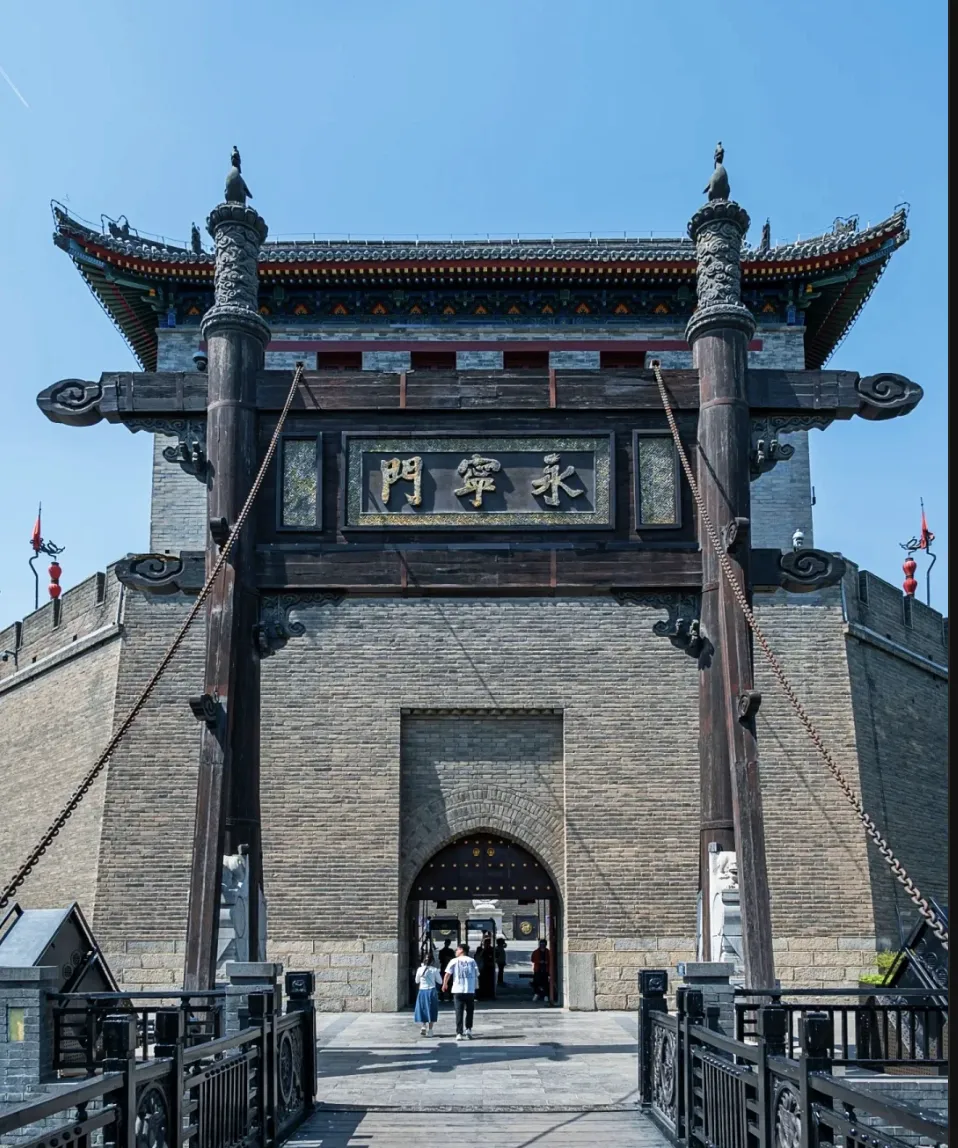
Start where the city itself starts: the wall. Enter at Yongning Gate — the South Gate, the ceremonial one — around 08:30, before the light turns white and the tour groups arrive. Entrance is about ¥54, and a bicycle about ¥45 for a hundred minutes. Marta walked the western section instead of renting, and she had the ramparts to herself at nine in the morning; both approaches work, but do at least the southern and western stretches, where the view over the old rooftops is best. By 11:00, drop down into the Muslim Quarter for the first serious meal of the trip. Do not just eat on the main 回民街 strip — turn into 大皮院, order yangroupaomo, and let the lamb broth do its work.
The afternoon is for the two towers. The Drum Tower and Bell Tower sit on either side of the central roundabout, about ¥50 combined, and the climb is short but worth it for the view down the old streets and, at the Drum Tower, the periodic drum performances. After that, do what the city does: walk. The blocks between the towers and the wall are a maze of shops, snack windows, and courtyard houses, and getting lost in them for an hour is the day’s least-planned and most memorable stretch. Dinner: something quiet in the same quarter, then bed early. Day two demands it.
Day 2: the Qin east line
This is the day you came for, so treat it like an appointment. Leave the hotel by 07:30, take metro Line 9 east — about an hour to the Huaqingchi area — and then a short taxi to the Terracotta Army. Ticket about ¥120, passport required, e-ticket bought the night before so you can skip the ticket window. The site opens around 08:30, and the first entry is the gift of the day: Pit 1 nearly empty, the soldiers receding into the dark like a ghost garrison. Give it two and a half hours — Pit 1, Pits 2 and 3, and the bronze chariot hall — then decide about the mausoleum mound. The actual tomb of Qin Shi Huang, an unexcavated earth hill about a mile away, is reachable on a free shuttle included in your ticket, and it is strangely moving: all that power, a grassy mound, and silence. Most day-trippers skip it. Don’t be most day-trippers if the legs are willing.
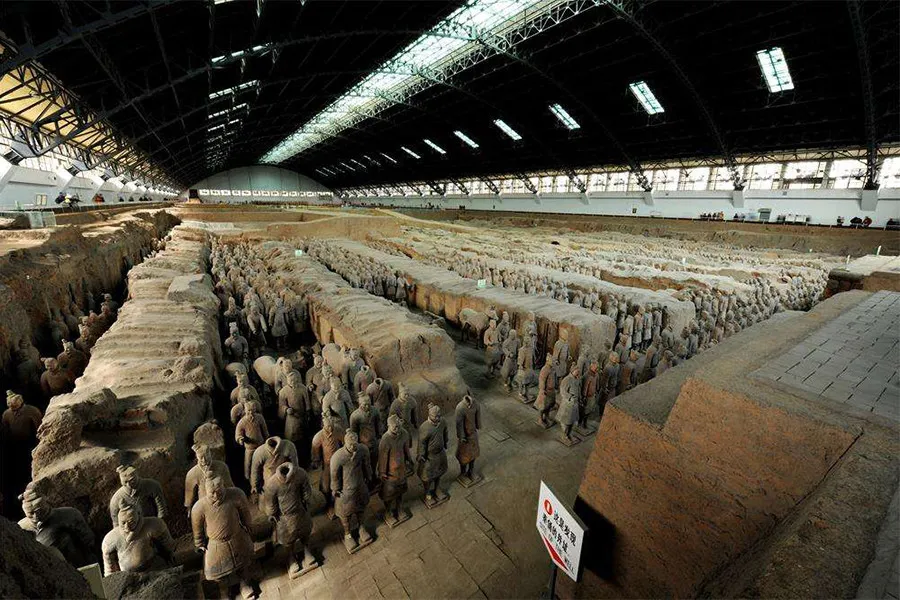
Back in the city by late afternoon, the sensible move is rest. If you have energy left, the evening belongs to the Muslim Quarter again — different streets this time, 洒金桥 for roujiamo and the street stalls that cook only after dark.
Day 3: the Tang south
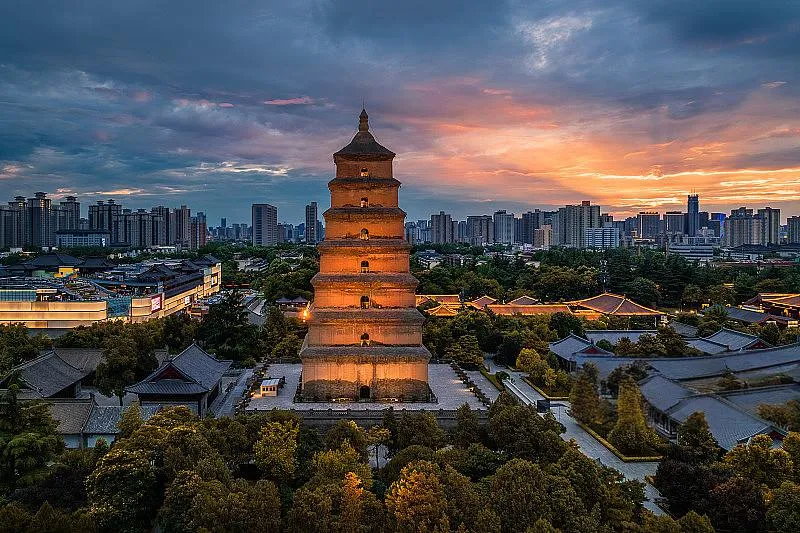
The last day goes south, and it softens into a proper finish. Start at the Big Wild Goose Pagoda and its temple, Ci’en Temple — about ¥40 to enter the grounds, a bit more to climb the pagoda itself, and the climb is the point: from the top, the Tang-era axis of the city is laid out under you. Then walk, because everything for the afternoon is within a comfortable radius. The Shaanxi History Museum is a short metro hop away on Line 2/3, free to enter but only with an advance reservation made days before on the official WeChat mini-program, and closed Mondays — book your slot for the early afternoon. Give the museum two hours; the Tang gold alone is worth the whole morning’s planning. When the sun drops, walk Datang Everbright City, the lantern-lit avenue beside the pagoda, and end the night at the music fountain on the pagoda’s north square.

Reservations and tickets to sort before you fly
- Shaanxi History Museum: free, but reserve a timed slot on the official WeChat mini-program; weekend slots can vanish days ahead. Closed Mondays.
- Terracotta Army: about ¥120; buy the e-ticket in advance to skip the window. Carry your passport.
- City Wall: about ¥54 at the gate; bike rental about ¥45 on top.
- Big Wild Goose Pagoda: about ¥40 for the temple grounds, extra for the climb.
- Bell Tower + Drum Tower: about ¥50 combined.
Where the plan bends
Arrive in the afternoon? Day 1 becomes the Muslim Quarter evening and the towers at dusk; the wall moves to morning of day 2, before the east line. Rain forecast? Swap the museum into day 1 afternoon and walk the wall on day 3. Exhausted by day 2? Drop the mausoleum mound, not Pit 1 — and if you can only do one thing in Xi’an, that is the thing.
Tips for first-timers
- Set up Alipay before you land. Taxis, street food, even some museum add-ons are QR-first in 2026.
- Stay inside the walls if you can — Bell Tower or South Gate area — so every day starts with a short walk to the metro.
- Buy the terracotta e-ticket the night before each of your planned days; slots are timed and the morning ones go first.
- Bring comfortable shoes and treat the wall as a walk, not a sprint. You’ll see more from the ramparts than from any cab.
- The Muslim Quarter is at its best in small doses: a lane at a time, a snack at a time. Five hours of it in a row is too much of a good thing.
- Don’t schedule anything big for the night after the east line. The day is physically long, and the next day is your last — spend it fresh.
Marta’s last message before her flight said she had sat on the wall at sunset on day three, looking north over the old city, and finally understood why I kept sending people here. That is the whole pitch, really. Three days gives you enough time to stop photographing Xi’an and start reading it — a wall, an army, and a pagoda, one dynasty at a time. It is the smallest amount of time that lets the city teach you something, and the reason I will keep recommending it to every first-timer who asks.