I planned my parents’ first trip to Xi’an the way you plan a meal for someone who doesn’t like surprises: nothing too early, nothing too spicy, and one spectacular thing each day. My mother had spent years saying she wanted to see the Terracotta Army “before I get too old to walk it,” and my father, who refuses to queue for anything, had been told the City Wall could be done by bike. Three days later, at the airport, my mother said the thing every child wants to hear: “Why didn’t anyone tell us it was this good?”
That trip became the template for this route. It is the balanced first visit — the classics, arranged in a gentle order, with the long distances concentrated in one day and the rest spent on foot inside the wall. It suits parents, partners, and anyone whose idea of a holiday is not a marathon.
Day One: The Walled City
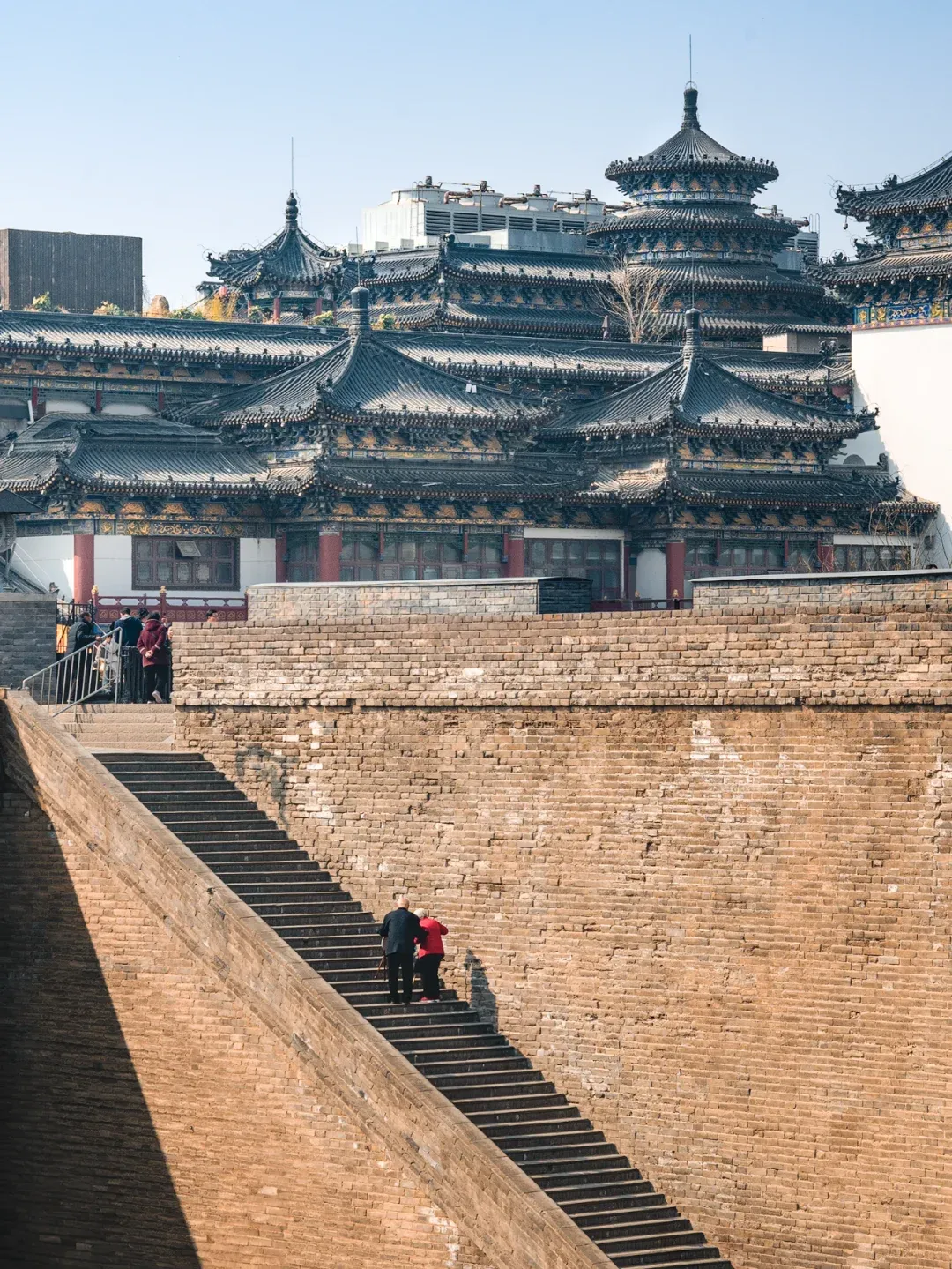
Morning: The Wall from Yongning Gate
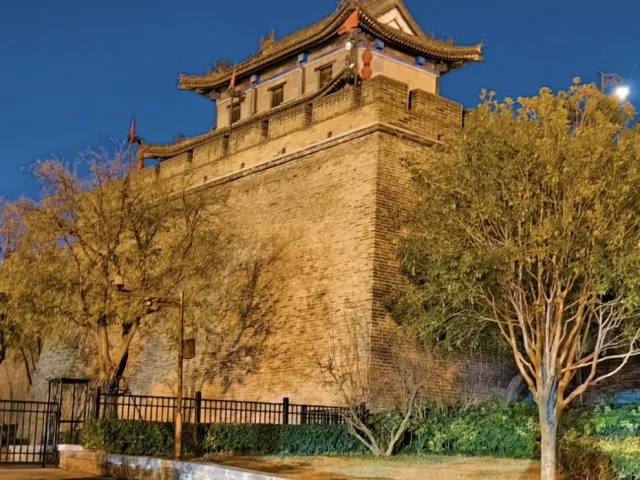
Start where the city started, on the fortifications that define Xi’an. Enter at Yongningmen, the South Gate, right at the 08:00 opening, and walk west rather than cycling the whole loop on day one. The western stretch is the quietest on the wall, the corner tower at Andingmen gives you the best photograph of the afternoon, and a two-hour walk brings you down at Anyuanmen, the North Gate, with the Muslim Quarter a ten-minute stroll away. Bike rentals are about ¥45 for two hours if the walking plan changes — and it will, because the wall is addictive.
Afternoon: Shuyuanmen and the Stele Forest
Back through the center of town, the area behind the South Gate hides the city’s most civil quarter. Shuyuanmen Street, running east from the South Gate, is a lane of calligraphy brush shops and seal-carvers under a wooden arch, and it leads directly to the Stele Forest — the Xi’an Beilin Museum, about ¥60, where more than a thousand carved stone tablets hold the classics of Chinese writing. My father, who had planned to sit out this stop, spent forty minutes reading the Tang tablet with the soldier’s poem. Give it an hour and let everyone move at their own speed.
Evening: The Muslim Quarter, Done Slowly

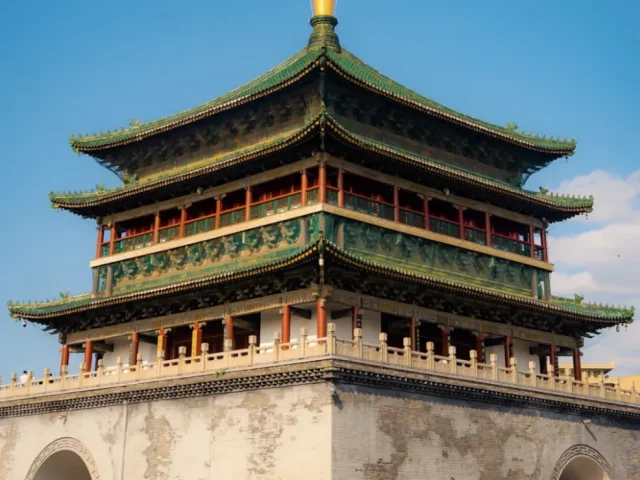
Enter the Muslim Quarter from the Drum Tower and do what the locals do: order small, share everything, and keep walking. Beiyuanmen is the spectacle, but the real eating is on Dapiyuan and Xiyangshi, where the family shops have been doing one dish for generations. For a first visit, the essential order is a bowl of yangroupaomo (tear the bread, let the kitchen do the rest), a plate of soup dumplings, and a skewer or two of lamb if your group eats meat. The sour plum juice at the end is non-negotiable.
Day Two: The Army and the Imperial Baths
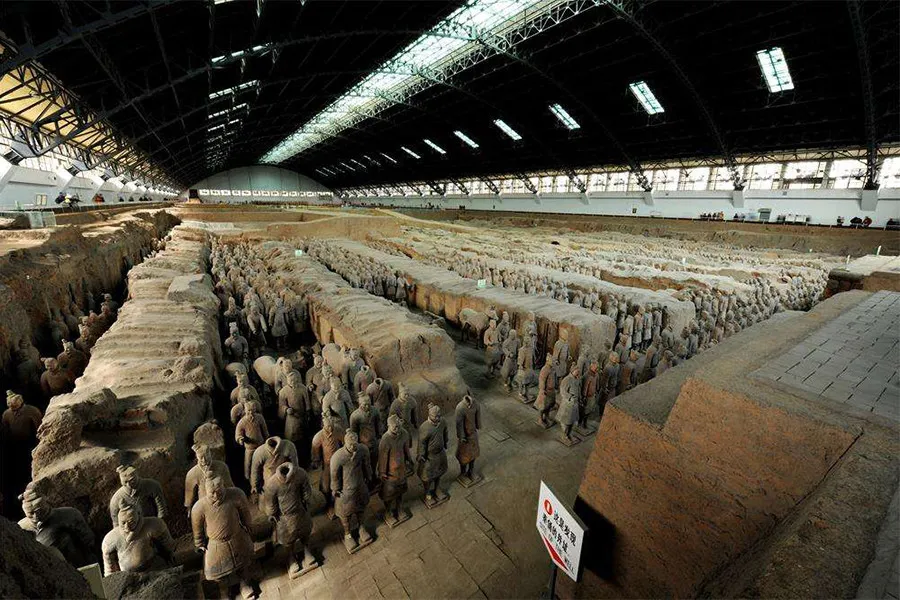
This is the big day, and the one piece of advice that matters is to get it over with before the crowds do. Take the metro — Line 1 or 6 east to Fangzhicheng, then Line 9 to Huaqingchi — and be at the gate for 08:30. The ticket is about ¥120 and covers all three pits; see Pit 1 first, when the hall is still hushed, then let the tour groups flood in behind you while you linger over the archers and generals in the quieter halls.
Huaqing Palace, twenty minutes away, is the afternoon’s antidote. Another about ¥120, but a completely different texture: Tang dynasty bathing pavilions, gardens at the foot of Lishan Mountain, and the story of Emperor Xuanzong and Yang Guifei that the Chinese school system teaches every child. The grounds take two easy hours, and the cable car up the mountain is the way to end the day if legs allow. Skip the evening show at the palace unless you booked it long in advance; the night version, the Song of Everlasting Sorrow, is genuinely lovely but runs on its own schedule and adds a late night to an already long day.
Day Three: Qujiang and the Tang City
Morning: The Big Wild Goose Pagoda
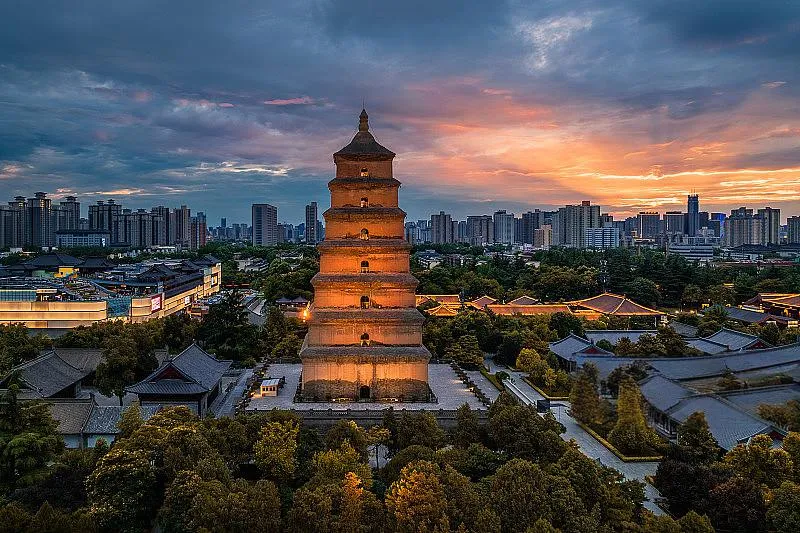
Last day, and it belongs to the eastern district of Qujiang. Start at Da Ci’en Temple and the Big Wild Goose Pagoda — about ¥50 for the temple, about ¥30 more to climb — and take the stairs to the top early, before the heat and the line build. The view over Qujiang from the top gallery is the reward, and the temple grounds below are quiet enough for a slow walk. The monk Xuanzang, whose pilgrimage became Journey to the West, translated sutras here; a statue of him watches over the square out front.
Afternoon: Tang Paradise or the Museum
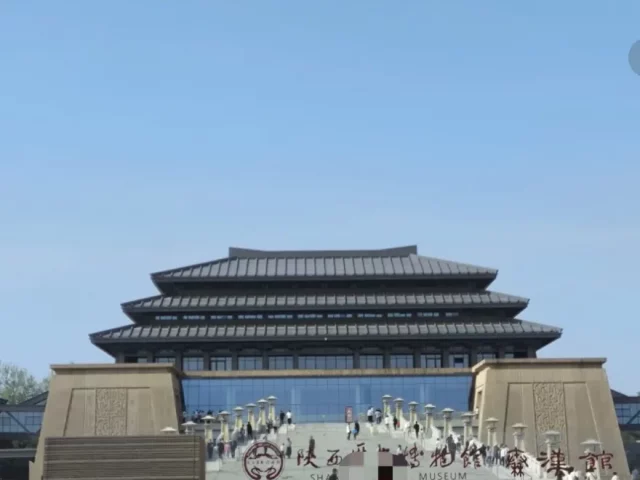
Two options, depending on weather and energy. Tang Paradise, the reconstructed Tang dynasty garden park next door, costs about ¥120 and is at its best in the late afternoon, when the light hits the lake pavilions. If the forecast is bad or the legs are gone, the Shaanxi History Museum is a short metro ride away — get off at Dayanta on Line 3 and walk — free main halls with an advance reservation, and the best two hours of Chinese history in the city. Both work; the garden is prettier, the museum is smarter.
Evening: Datang Everbright City
End the trip where the whole district comes together. Datang Everbright City, the pedestrian boulevard outside the pagoda, turns itself into a Tang dynasty festival street every evening, free, from about 19:30 until 23:00. The golden statues, the performers in robes, the fountain square at the north end — it is theatrical, unapologetically touristy, and somehow still a joy. My mother, who is not easily impressed, called it “the best street in China.” We left at 22:00 because the airport bus waits for no one, but had we not been flying out, I could have kept her there another hour.
Practical Details
- City Wall: about ¥54; bikes about ¥45 for two hours; open 08:00–22:00.
- Stele Forest: about ¥60; open 08:00–18:00 in summer.
- Terracotta Army: about ¥120; open 08:30–17:30; allow three hours on site.
- Huaqing Palace: about ¥120; open 08:00–18:00.
- Big Wild Goose Pagoda: temple about ¥50, climb about ¥30; open 08:00–17:30.
- Tang Paradise: about ¥120; the Shaanxi History Museum is free with reservation, closed Mondays.
- Datang Everbright City: free; lights from about 19:30.
Tips for a Balanced Visit
- Put the long day (Terracotta Army) on day two, not day one. Everyone acclimates before the marathon.
- Book the museum and the Terracotta tickets the night before; the peace of mind is worth more than any standby.
- Keep a Metro AMap or a phone map downloaded — the stations have English signs, but the exits are numbered and it saves the wrong-staircase detour.
- If your group is mixed fitness levels, agree on a meeting point at each site instead of walking as a single pack. It saves marriages.
- Stay near the Bell Tower or the South Gate. Everything in this route orbits those two points.
The Part They Don’t Put in the Brochure
At the airport, my father — the man who refuses to queue — announced that the wall walk was “the best exercise he’d had in a decade,” which is as close to a rave review as he gets. Three days in Xi’an had turned both of them into people who use the word “again.” That is what a balanced route buys you: not the maximum number of sights, but the ones that stick, at a pace that lets them. Their second trip is already being planned, and this time my mother wants to climb Mount Huashan. I have until spring to get my legs ready.