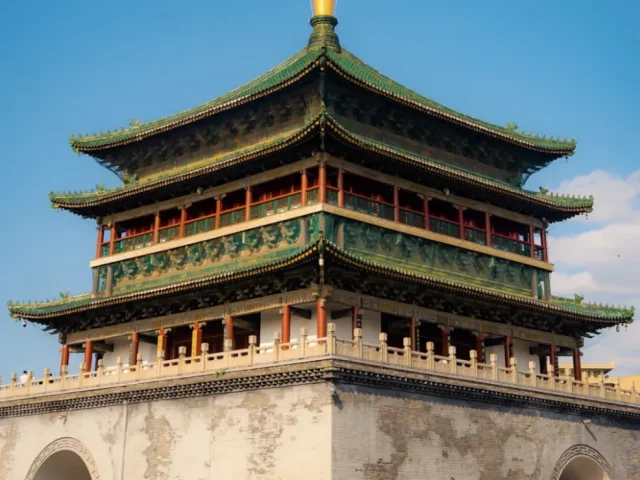
The trip that taught me how to travel in Xi’an was the one I planned least. Five days, no itinerary, a hotel near the Bell Tower, and a vague promise to myself that I would not treat a single day like a checklist. It went against every instinct I had as a travel writer, and it was the best five days I have spent in China. Slow travel in a city like this is not about doing less — it is about giving each thing enough time to actually happen. The wall is not a photo stop; it is a full day, if you let it be. The Terracotta Army is not a morning; it is an appointment with a man who died two thousand years ago and refuses to be forgotten.
This itinerary is that trip, written down. One thing per day, mornings kept for the two sites that deserve them, and the afternoons left open like a blank page.
What slow travel looks like in Xi’an
The slow version of Xi’an has a simple rhythm. Pick one anchor for each day — warriors one day, the wall the next, the pagodas after that — and let everything else be whatever happens on the walk between your hotel and that anchor. No triple-stacked mornings, no “if you have energy left” footnotes. The city rewards it, because Xi’an’s best hours are not the ones on the schedule. They are the courtyard lunch, the tea house on the lake, the hour on the ramparts when nobody else is there.
Day 1: arrive and drift
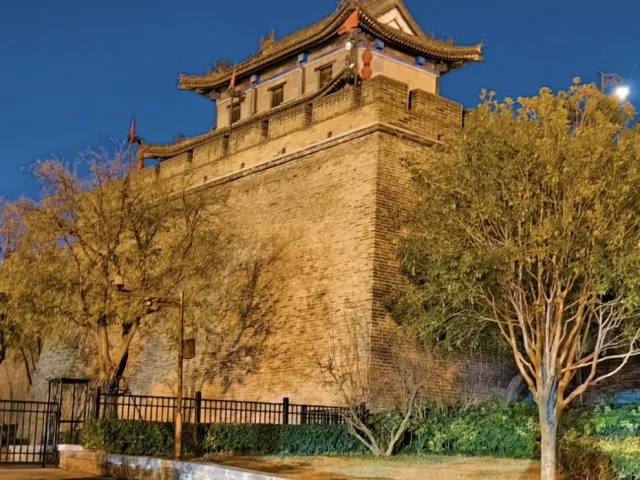
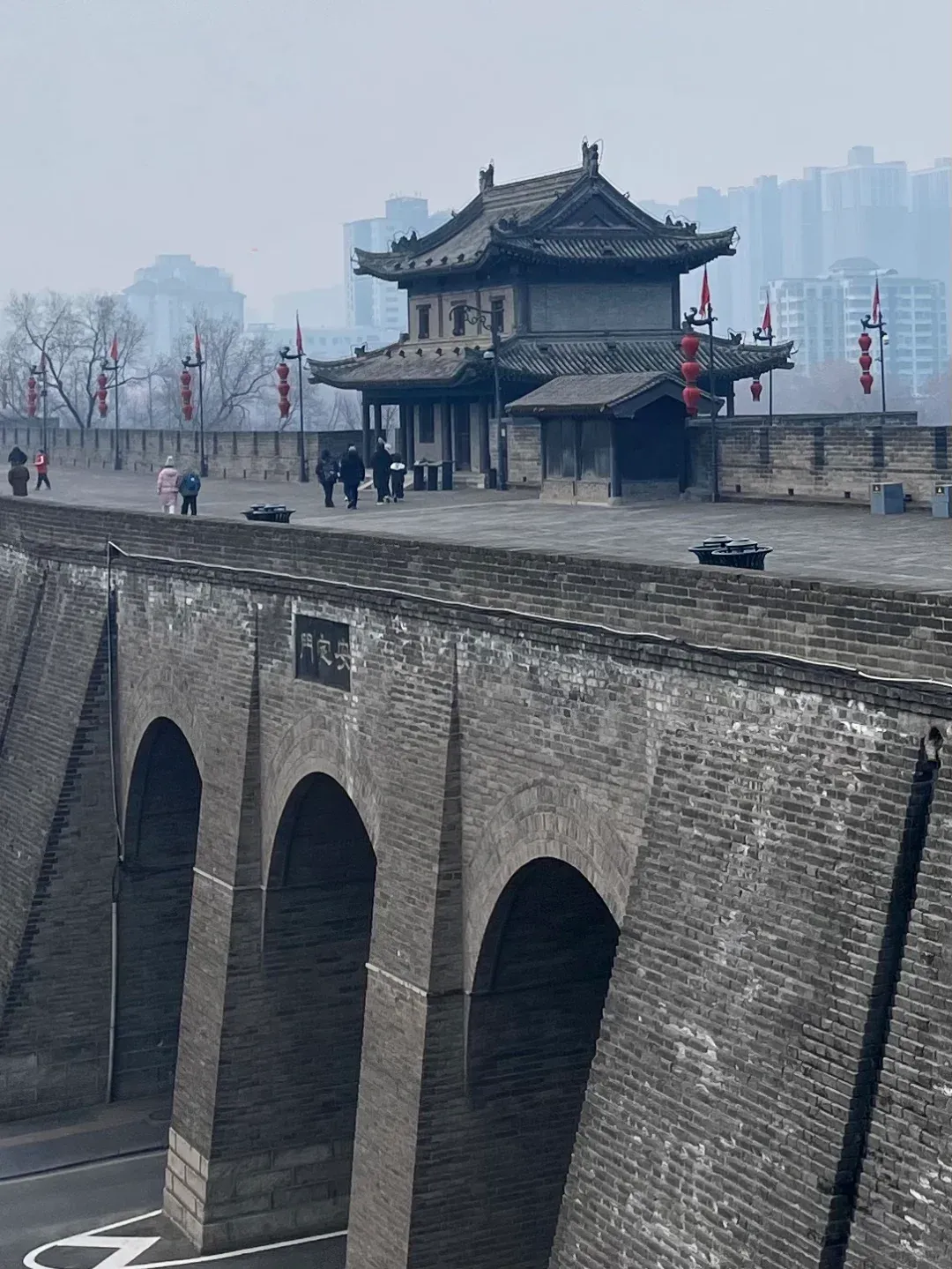
Land at Xianyang, take the metro Line 14 into the city, and check in — then do nothing scheduled until sunset. Walk the old streets around the Bell Tower, let the jetlag settle with a late lunch in the Muslim Quarter, and save your real energy for the evening: walk the top of the wall from Yongning Gate east toward Hepingmen as the light goes golden. The southern section is the photogenic one, the gates lit by the time you reach them, and the whole stroll takes about an hour. You will have done almost nothing all day and somehow already love the city.
Day 2: the warriors at opening
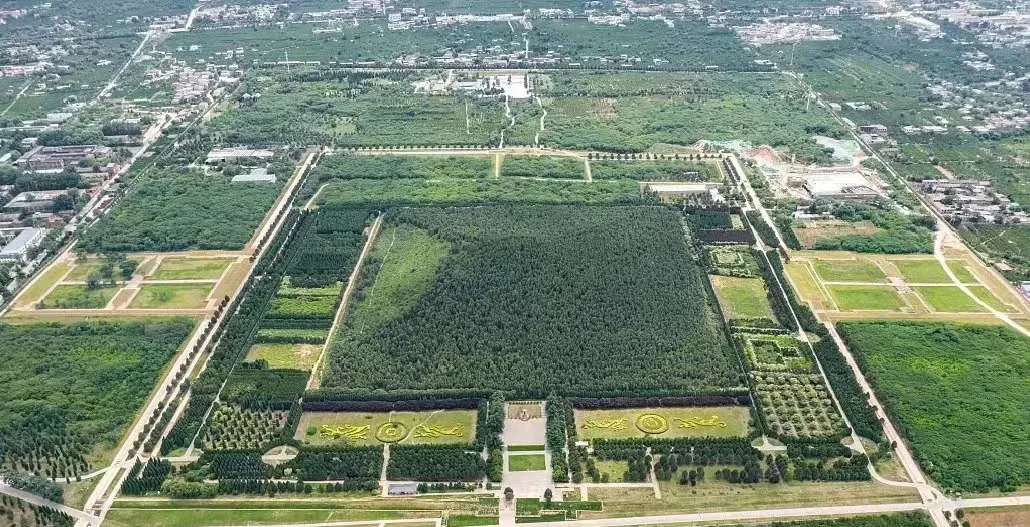
Some things are worth an alarm clock, and the Terracotta Army is one of them. Take metro Line 9 east early, be at the gate for the 08:30 opening, and spend a long, unhurried three hours inside — Pit 1 slowly, the smaller pits, the chariot hall. The ticket is about ¥120 and you will want the e-ticket bought in advance, passport in hand. Then, instead of racing back to the city, take the free shuttle to the mausoleum mound of Qin Shi Huang, the grassy hill over the unexcavated tomb. This is where slow travel pays off: most people skip it because they have a schedule; you have nowhere to be. Stand there a while. It is the quietest great monument in China.
Back in the city by mid-afternoon, do nothing. Sleep, read, swim if the hotel has a pool. In the evening, wander the Muslim Quarter’s quieter lanes — 大皮院 and 洒金桥 — for dinner. The day has had its masterpiece; the night is for noodles.
Day 3: a whole day on the wall
The wall deserves a full day the way a cathedral does, and this is the day. Rent a bike at any gate — about ¥54 entrance, ¥45 for the bicycle — and ride the entire 13.7-kilometer circuit at a pace that lets you stop at each of the four main gates and read the history boards: Changlemen to the east, Anyuanmen to the north, Andingmen to the west, back to Yongningmen in the south. Midday, drop down at Zhongshan Gate on the east side and eat at Yongxingfang, the food park built inside the old wall that gathers dishes from all over Shaanxi province under one roof. Then back up on the ramparts for the long afternoon stretch. By the time the lights come on you will have circled the city twice in a sense — once on wheels, once in your head — and the layout of every other day in Xi’an will suddenly make sense.
Day 4: Qujiang without a checklist
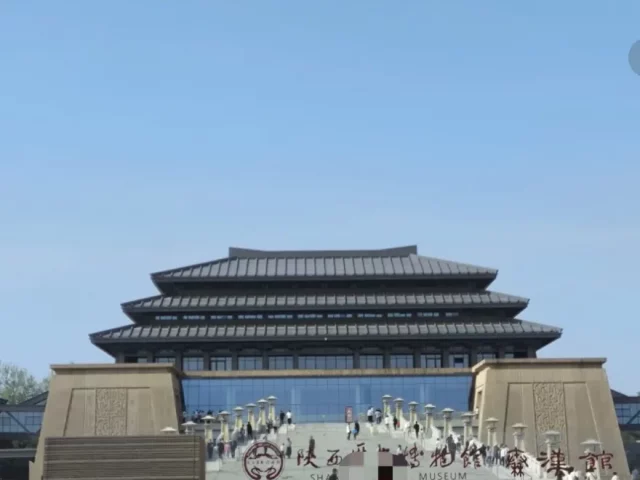
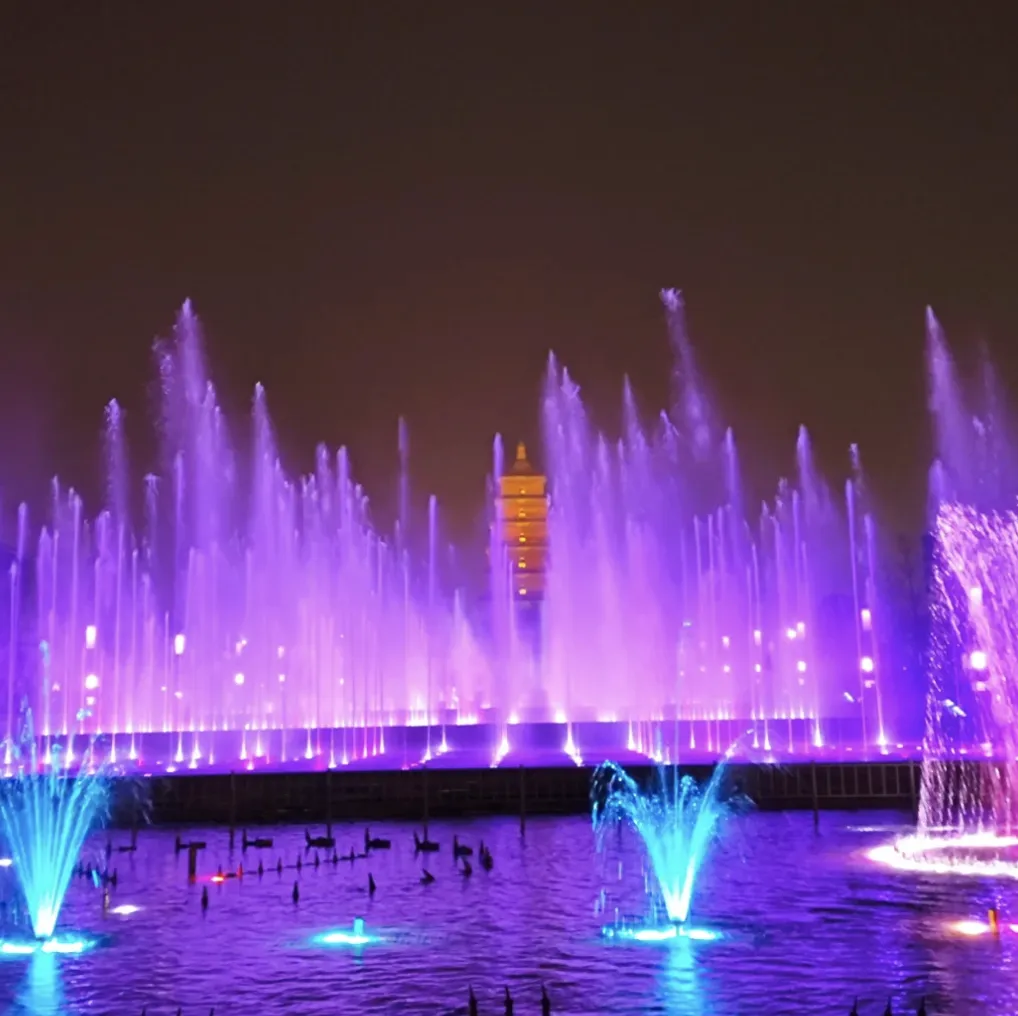
Go south to Qujiang with no list. If you do nothing else today, do this: walk the lake district, sit in a tea house, and let the pagoda be a backdrop instead of a goal. The Small Wild Goose Pagoda and the Xi’an Museum beside it are free with a reservation (closed Tuesdays) and quiet enough to actually hear the bell — strike it once for a few yuan and listen to it settle. Then drift north through the Qujiang New District toward the Big Wild Goose Pagoda, watch the crowds gather at Datang Everbright City as dusk falls, and decide on the spot whether to join them or watch the lanterns come on from a bench with a cold drink. Either choice is the correct one. This is the day the trip stops being a tour, which is the whole idea.
Day 5: Famen Temple, or nothing
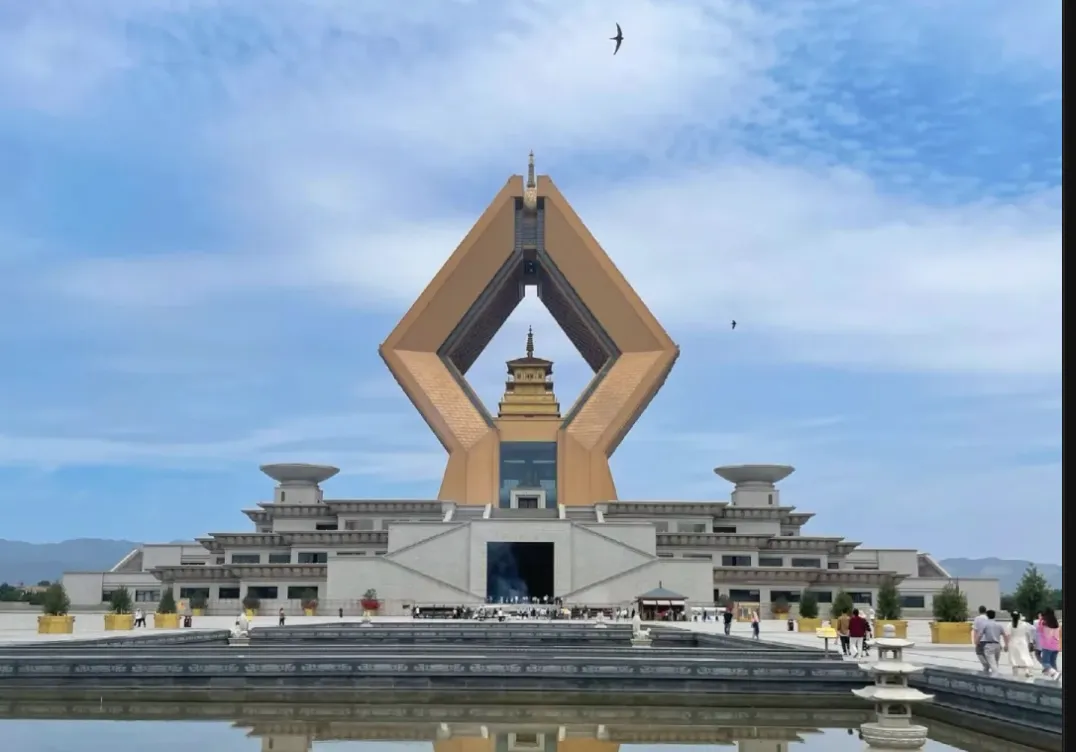
The last day goes to Famen Temple, about ninety minutes from the city by car or tourist coach — or it goes nowhere at all, and that is fine too. Famen is the one big excursion the standard itineraries leave out, and it is worth the trip: a vast Tang-era complex centered on a modern bronze pagoda, built over an underground palace where, in 1987, a finger bone relic of the Buddha was discovered in a nest of gold coffins. The relic is on display, and the museum next door holds the gold and silver that came out of the vault with it. Tickets run about ¥100–120, and the site is the most serene of Xi’an’s great sights — slow travel’s perfect last day.
If you would rather stay in the city, the alternatives are all good: Xingqing Palace Park, a free Tang-dynasty park where locals dance in the mornings; a Qinling foothill hike like Cuihua Mountain if you need trees; or simply a final slow lap of the Muslim Quarter to stock up on dried persimmons for the flight home.
The slow budget
- Terracotta Army: about ¥120
- City Wall plus two bike rentals: about ¥145
- Famen Temple: about ¥100–120 plus transport
- Museums and pagodas: mostly free with reservations, plus a few small tickets
- Food: about ¥150–200 a day eats very well at this pace
Five unhurried days land around ¥1,800 all in, excluding hotel and flights — and none of it feels like spending.
Tips for slow travel in Xi’an
- Make the reservations that matter — Shaanxi History Museum, Xi’an Museum, the terracotta e-ticket — then delete the rest of the app list. The plan is the point; the details will find you.
- One anchor a day, and no more. When a second anchor tries to attach itself to the morning, that is the signal to say no.
- Go to the warriors at opening and the wall near sunset. The light and the crowds both obey the same rule: the city is best at its edges of day.
- Stay near the Bell Tower or South Gate so every day starts with a walk, not a ride.
- Keep one day — day 5, or whichever day you need it most — completely empty of anchors. Slow travel without a blank day is just tourism with a longer leash.
On the last evening of that trip, I sat on the wall above Anding Gate with a bottle of sour plum juice and watched the sun go down behind the western suburbs. I had been in Xi’an for five days and seen a fraction of what the guidebooks list. I had also, for the first time, not been a tourist in it. The city needs that long to work on you — the wall to get into your legs, the army to get into your head, the pagodas to get into your evening. Five days is enough for all three. And the best part of slow travel is that when you leave, you know the city will still be here, waiting, and that is exactly how a place should leave you.