By the fourth day of my first backpacking trip through China, I had stopped counting the price of anything and started counting the quality of everything. Xi’an was the loop’s centerpiece, and I’d saved it for last — five days, one hostel bed, and a plan that bent the usual rules: I slept in the city for four nights and on a mountain for one. Total spend, including Mount Huashan and Famen Temple, came in under ¥1,600.
This is the extended edition of the three-day backpacker route: the same budget discipline, two extra days, and a night climb up Huashan that you should not skip if your knees have anything left in them. It’s called a loop because it works best as one — out to the mountain in the middle, back to the same hostel bed, then out again on the far side.
The loop at a glance
Keep a single hostel as your base and spend the middle of the trip away from it. My order: two days of city classics, an evening train to Huashan with a dawn summit, a recovery day, a Famen Temple day trip, and one final loose day. The single biggest budget hack is timing — every sight is cheaper in spirit and emptier in body on a weekday, so aim your out-of-town days for Tuesday through Thursday.
Day 1: Arrive, wall, first dinner
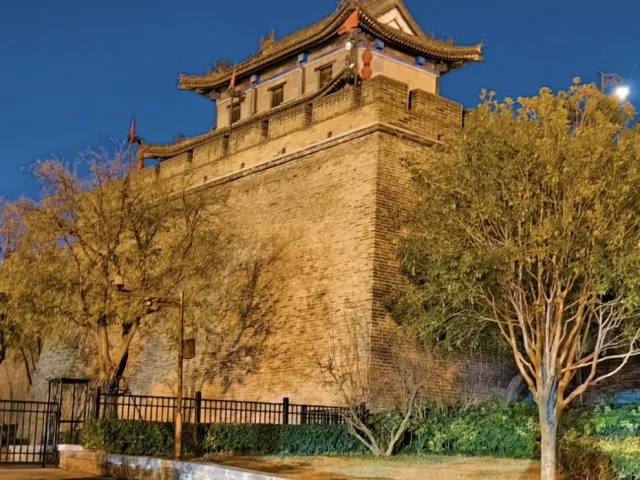
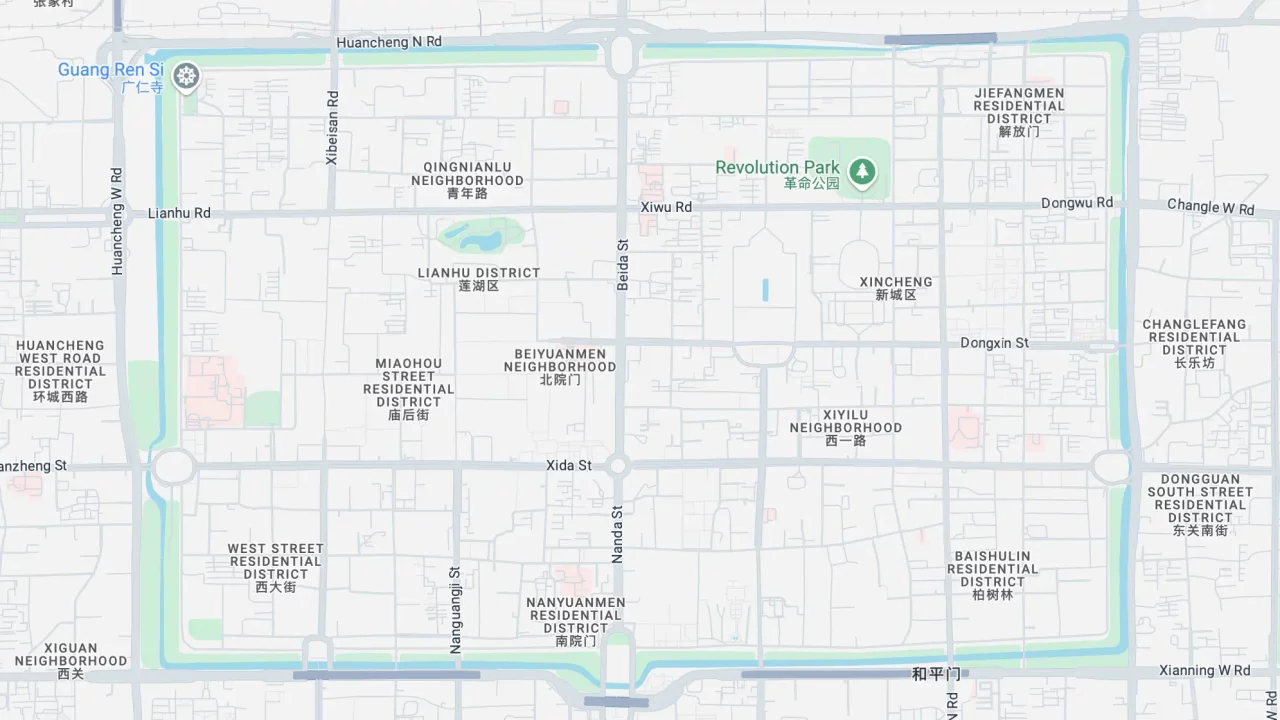
Settle into a hostel near the South Gate (about ¥60–100 a night; book two nights at a time so you don’t get bumped for a weekend group). Drop the bag, climb the wall at Yongningmen in the late afternoon, and watch the sun go down over the inner city from the ramparts — ¥54, no extra charge for the view. For dinner, walk straight into the Muslim Quarter and don’t stop until the stalls thin out; that’s where the 羊肉泡馍 places start, about ¥35 for a bowl that will make you forget lunch ever happened.

Day 2: A light day, then an evening train to Huashan
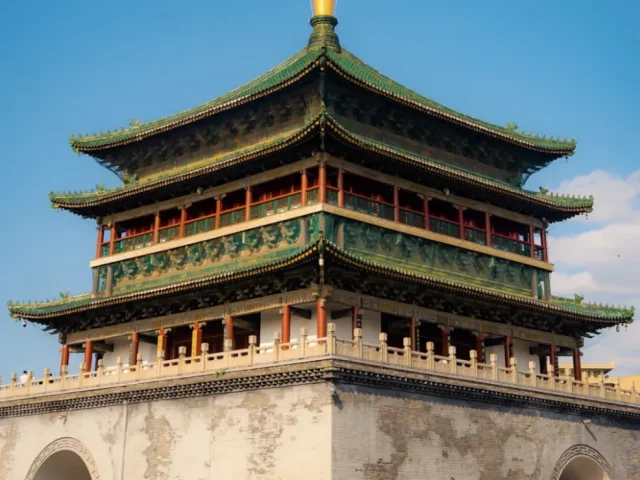
Spend the daylight hours cheap: Bell Tower and Drum Tower (combined ticket about ¥50), a slow loop of 回民街 for the street snacks, and a long nap you’ll be grateful for later. Around 18:00, ride metro Line 2 or 4 to Xi’an North Station and take the high-speed train to Huashan North (about ¥55, thirty minutes). From the station, the free shuttle to the visitor center and the ¥20 bus to the cable-car base are well signposted. The plan is to ride the North Peak cable car up in the cool of the evening — the queue is gone by then — and climb the final stretch to the summit zone with the last of the light. Your legs do the real work tonight; tomorrow you’ll only have to watch the sun.
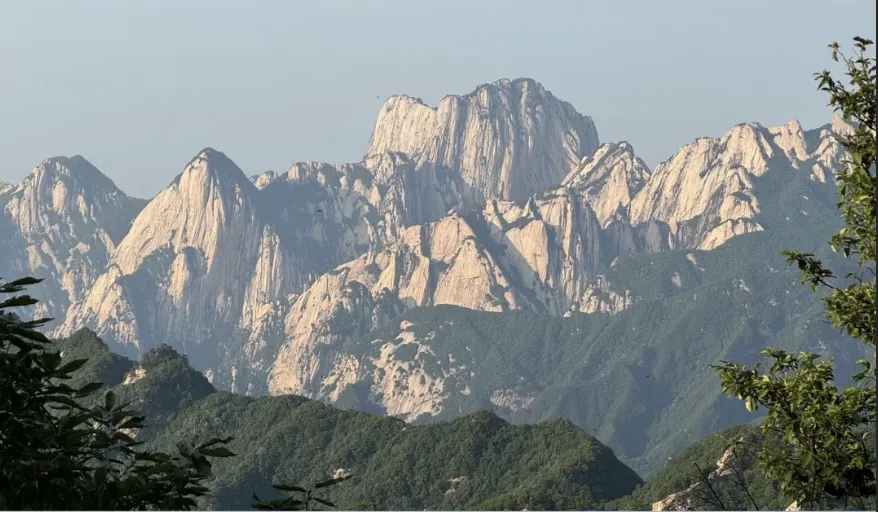
Day 3: Sunrise, descent, sleep
Wake before dawn on the mountain, walk to the East Peak (东峰) in the dark with a hundred other headlamps, and watch the sun come up over the plains — the moment every Huashan traveler measures everything else against. Descend by the classic route past the South Peak’s plank walk (the 长空栈道, about ¥30 in cash at the gate, if you’re brave enough) and down to the North Peak cable car (about ¥100 one way). Back in Xi’an by early afternoon, you have earned the deepest nap of your life. That evening: cheap noodles, early bed, and a quiet promise to never underestimate a mountain again.
Day 4: Famen Temple on a quiet weekday
Take the bus from Xi’an West to 法门寺 (Famen Temple), about two hours and ¥35–40 each way. The ticket is about ¥100, and on a Thursday the halls are nearly empty. The pagoda holds a finger-bone relic of the Buddha; the treasure gallery beside it — gold and silver offering vessels, secret boxes nested inside secret boxes — is worth the trip on its own. It’s a full day, so pack water and come back hungry; dinner in 大皮院 will fix that, and you’ll be asleep by nine.
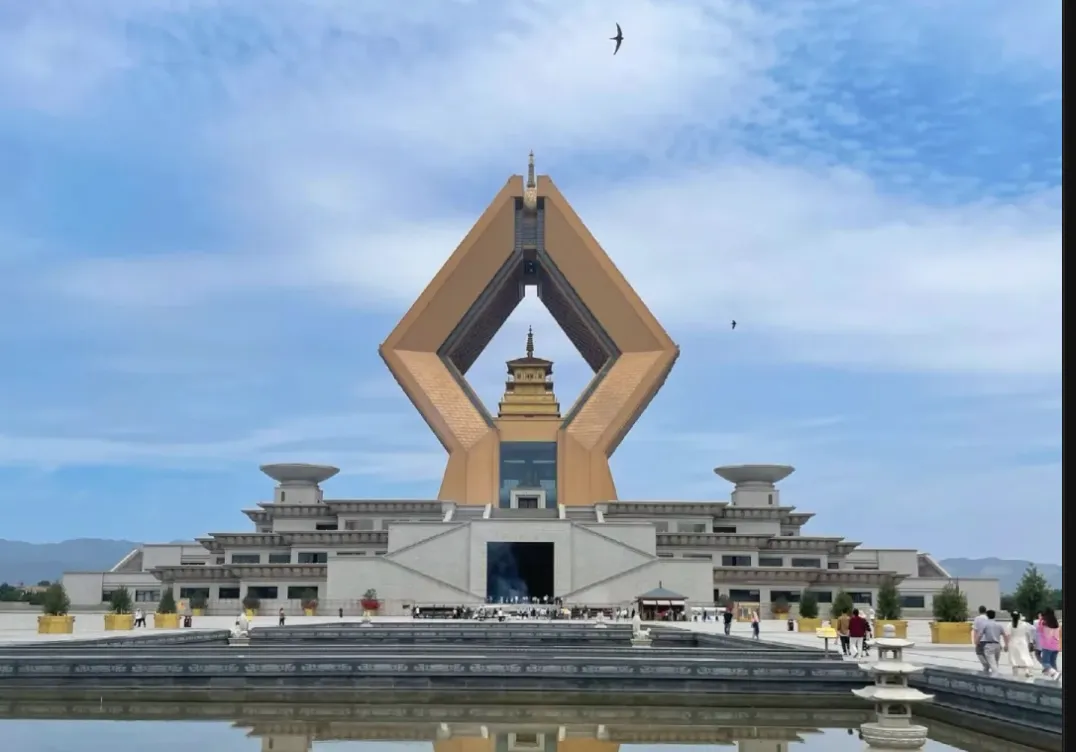
Day 5: Museums, pagodas, leftovers
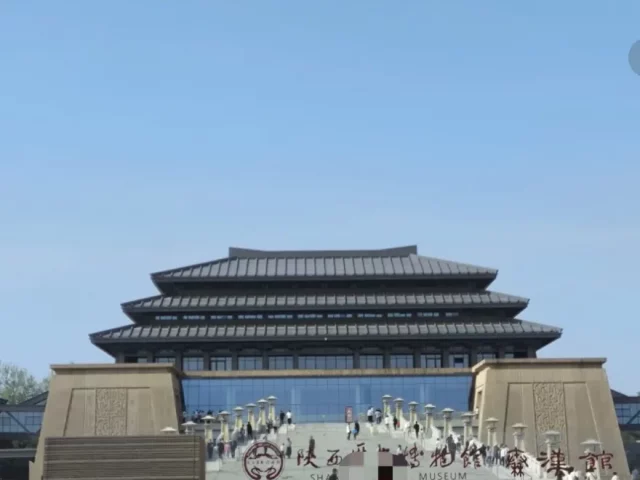
The last day is for everything you skipped. Shaanxi History Museum (free, reservation on WeChat, closed Mondays) if you haven’t been; otherwise the Big Wild Goose Pagoda and a slow walk down to Datang Everbright City, which costs nothing and rewards patience. This is also the day to spend your leftover cash deliberately: 腊汁肉夹馍 for the road, a bag of persimmon cakes for the train, and one last lap of the wall if the light is right. Leave a little loose change for the night train’s noodle cart — you’ll thank yourself at 23:00.
Keeping costs down
- Sleep in dorms, and book the whole stay in advance — walk-in rates in high season are brutal.
- Eat like a local: street food for most meals, one sit-down bowl a day, no western restaurants.
- Take buses and metro, not taxis; a taxi from the airport runs about ¥120, the metro about ¥8.
- On Huashan, carry your own water and instant noodles — summit prices double those in town.
- Do the big sights on weekdays; the Terracotta Army on a Tuesday morning is a different place than on a Saturday.
Tips
- The Huashan night climb works only with the cable car up — walking from the valley floor is a six-hour slog that eats your legs before dawn.
- Book the mountain hostel bed the same day you book your train; weekend beds go first, and so do the good ones.
- Shaanxi History Museum reservation: the rule never changes — days ahead, not hours.
- Carry cash for the small stuff; some mountain stalls and temple kiosks still prefer notes over QR codes.
- After Huashan, plan nothing strenuous for 24 hours. Your quads will file a formal complaint otherwise.
Final thought
The deep loop cost me less than a single night in a mid-range Beijing hotel, and it gave me a sunrise, a plank walk, a Buddha relic, and a city I finally felt I understood. Xi’an doesn’t get better with money; it gets better with time. Take both, spend neither on the wrong things, and you’ll come home the way I did — tired, poor, and entirely pleased.