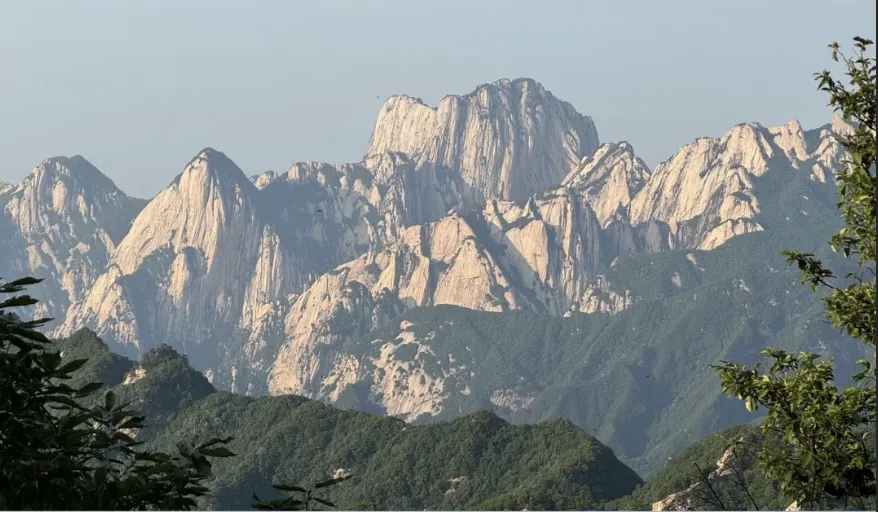
The alarm went off at 04:00 and I was already awake, watching the square of window lighten from black to gray. Around me in the summit hostel’s bunk room, a dozen other headlamps clicked on in the dark. We shuffled out into the cold, up the stone steps toward the East Peak, and by 05:30 the whole ridge had gone quiet — the way a crowd goes quiet when the first crack of orange appears on the horizon, followed slowly by the plains below, still sunk in shadow.
That sunrise is the reason to spend two days on Huashan instead of one. You get the summit at dawn, the plank walk in the calm of early morning, and — this matters more than people admit — you get to come down the mountain with legs that still work. One day on Huashan is a race; two days is a visit.
Why two days beats one
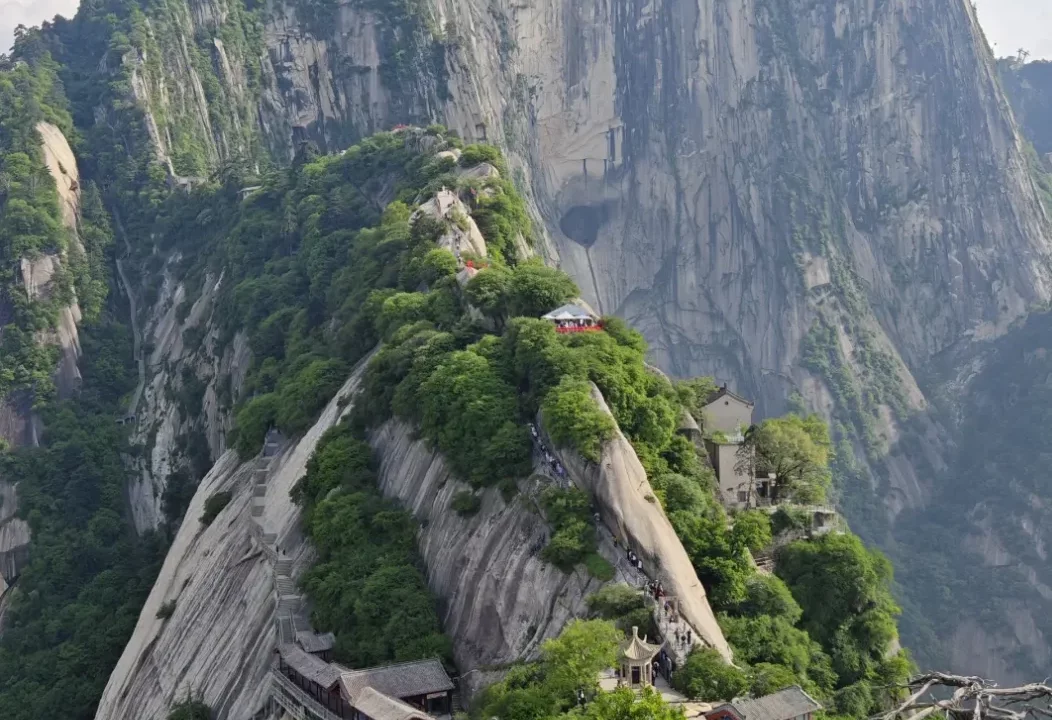
Huashan is about 2,155 m at the South Peak, but the height is not the problem; the ridge traverse between the five peaks is. Doing it as a day trip means choosing between seeing the mountain and seeing it well. Overnighting splits the difference: climb in the late afternoon when the crowds drain away, sleep at the summit, wake for sunrise, and take the full morning to walk the ridge and the plank walk before the day-trippers arrive. You also see the mountain in the one state most tourists never do: nearly empty. The difference is not subtle.
Getting there and planning the overnight
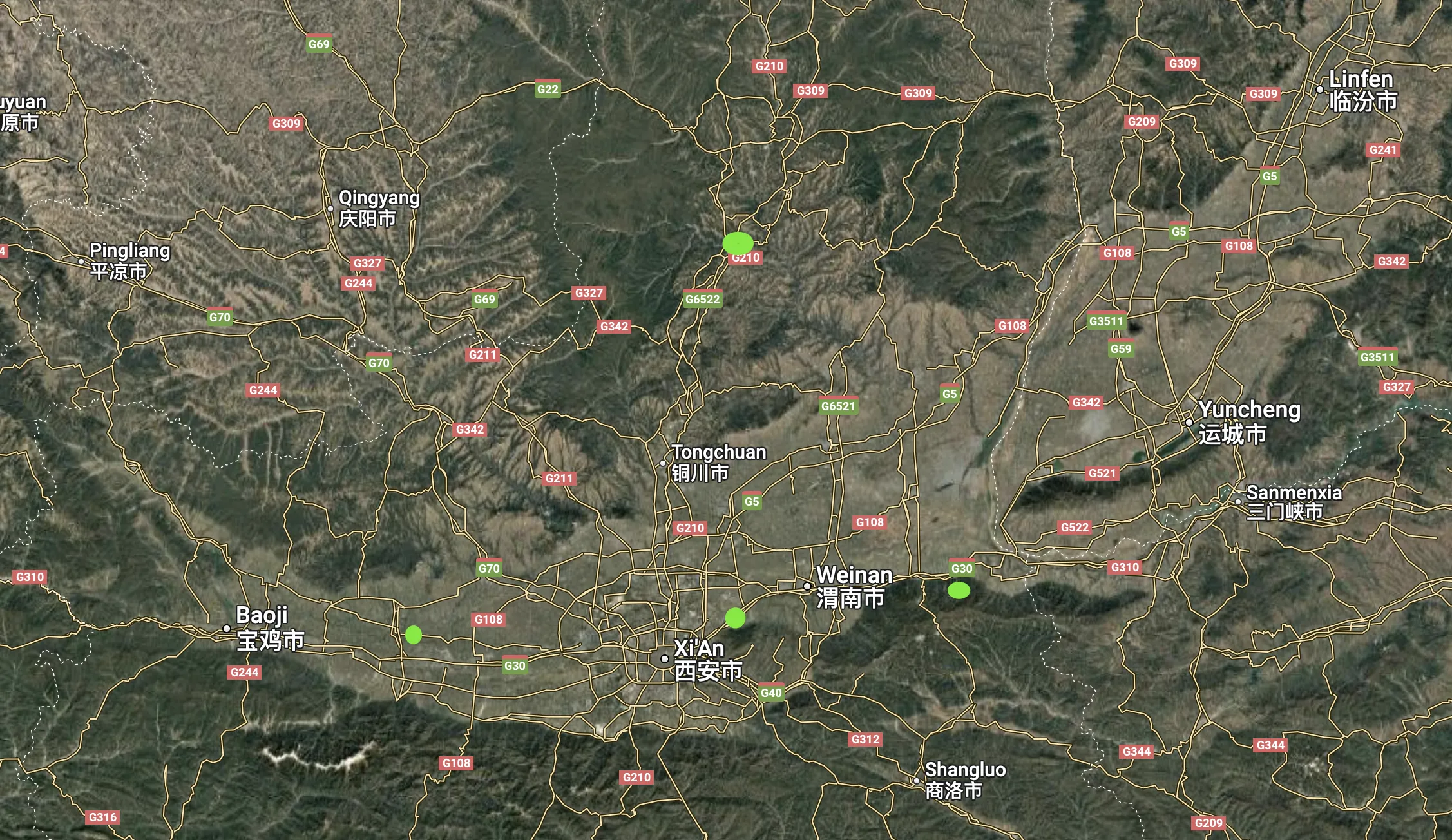
The mechanics are the same as the day trip — about ¥55 by train from Xi’an North to Huashan North, free shuttle to the visitor center, ¥160 entrance, ¥20 bus to the cable-car bases. The overnight difference is a single decision: take the West Peak cable car (about ¥140) up in the late afternoon, stow your bag at one of the summit hostels, and be at the East Peak for dawn. Book the hostel bed the same day you book your train — there aren’t many of them, and weekend beds disappear fast. On the mountain, everything from that point is on foot, and that’s the point.
Day 1: Up in the afternoon, alone on the ridge
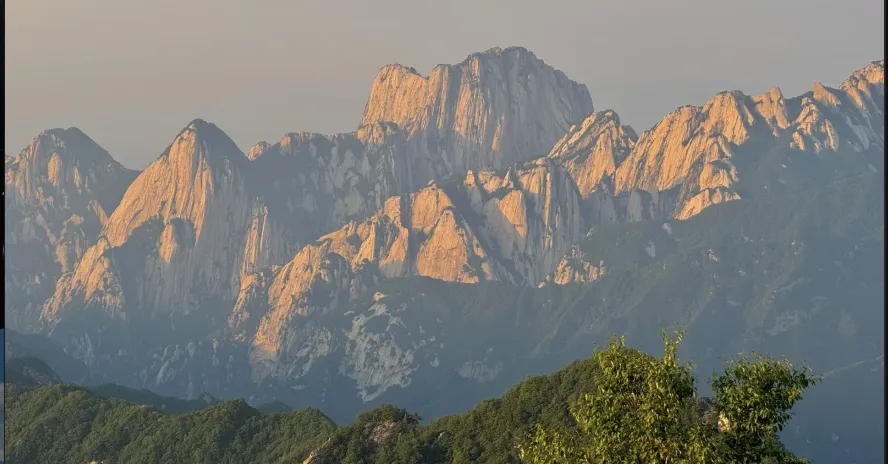
Train around 14:00, West cable car around 15:30, and by 16:00 you’re walking the ridge with maybe a tenth of the people you’d have met at noon. The light at that hour is soft and the granite glows a warm gray. Walk West Peak first, then South Peak, and take the plank walk while the queue is short — it’s quieter, the harness is fresh, and the cliff swallows your voice in a way that the midday crowd will never let you feel. End at East Peak in time to watch the sunset from the very spot where everyone will be standing at dawn, then walk back to the hostel in the dark with a hundred other headlamps, eating summit noodles like they’re a banquet.
Day 2: Sunrise, plank walk, and down
Up at 04:30, ten minutes to the East Peak platform, and the show is over by 07:00 — a dawn that arrives fast and leaves the ridge in full light. Then the mountain is yours again: back past the plank walk if you skipped it yesterday, down toward the North Peak cable car (about ¥100) whenever the queues look sane, and at the bottom by mid-morning. Trains back to Xi’an run all day, so you can be eating lunch in the Muslim Quarter by 13:00 — a sentence nobody who did the one-day version will ever get to say.
Where you sleep on the mountain
Summit hostels are basic in the best possible way: bunk rooms, shared bathrooms, and blankets you’ll be glad of at 2,000 m even in July. Beds run about ¥150–250 a night depending on the season and how far in advance you book. The famous alternative is renting a tent (about ¥200–400) on the ridge near East Peak, which sounds romantic and is mostly a test of your sleeping bag’s honesty — and of your patience with everyone else’s alarms. Whichever you choose, pack earplugs. Everyone wakes for sunrise, and nobody wakes quietly.
The plank walk, in honest terms
The 长空栈道 is thirty meters of wooden planks bolted to a vertical cliff, with a steel cable to clip your harness to, a wall of rock on one side and a few hundred meters of air on the other. It costs about ¥30 in cash. It is not dangerous when you follow the rules — the harness is checked, the line is single file, and the staff have done this thousands of times — and it is utterly terrifying if you let your imagination run the show. Go early, keep both hands on the rock, and don’t look down at the valley; look at the wall. It’s over before you know it, and you’ll spend the rest of the trip trying to explain it to people who think you’re exaggerating.
What the two days cost
- Trains: about ¥55 each way
- Entrance: about ¥160
- Cable cars: about ¥140 up (West Peak), about ¥100 down (North Peak)
- Shuttle buses: ¥20 each way
- Summit hostel: about ¥150–250 a night
- Plank walk: about ¥30 in cash
Around ¥800–900 total — roughly the price of one forgettable hotel night in Shanghai, for a sunrise you’ll keep for decades.
Tips
- Book train and hostel on the same day, at least a week ahead for weekends.
- Carry water and instant noodles; the summit shop prices are three times the valley’s.
- The plank walk and the 鹞子翻身 descent both close in high wind — check at the visitor center and plan to do them early.
- Warm layers are non-negotiable; the ridge at dawn sits around 5–10°C even in summer.
- Charge your phone at the hostel — there’s little power at the summit platforms, and you’ll want the sunrise photo.
Coming down
I was in a hostel shower in Xi’an by 14:00 on the second day, and I still had that orange line of sunrise behind my eyes. Huashan is a mountain you can rush — a lot of people do, and they tell you it’s great, and they’re half right. Stay the night, and you get the version that leaves nothing out: the empty ridge at dusk, the dawn over the plains, the plank walk with no queue and no crowd. It’s not twice the trip. It’s a different trip entirely.