I planned my first food trip to Xi’an the way you plan a field exercise: twelve meals in three days, colour-coded, with contingency snacks. The city retired the spreadsheet by lunchtime. I had queued twenty minutes at a roujiamo stall near 洒金桥, and by the time the steam hit my face I’d stopped counting meals and started counting bites. That’s the thing about eating in Xi’an — it doesn’t reward planning so much as appetite, and you will never be hungrier than after a walk through the Muslim Quarter.
Two days is enough to eat well without once feeling rushed, if you follow the city’s logic: breakfast is serious, lunch is the day’s biggest meal, and dinner is when the streets come alive. Here is the route I’ve walked — and eaten — more times than I can count.
How to Think About Eating in Xi’an
The food divides into two territories. Inside the wall’s western side sits the Muslim Quarter — 回民街, 西羊市, 大皮院, 洒金桥 — where lamb, flatbread and sweets rule, and where the stalls answer to a different clock: quiet at 10:00, roaring by 18:00. Everything else, from roujiamo to biangbiang noodles to cold-skin noodles, belongs to the rest of town, and the best versions often live in small steamy shops rather than landmark restaurants.
Prices are low enough that overthinking them is pointless: a filling meal runs about ¥25–40, and a full day of grazing rarely passes ¥120. The house drink is 冰峰, an orange soda for about ¥3, and the second is 酸梅汤, a sour-plum cooler for about ¥6 that is the best thing on a hot afternoon.
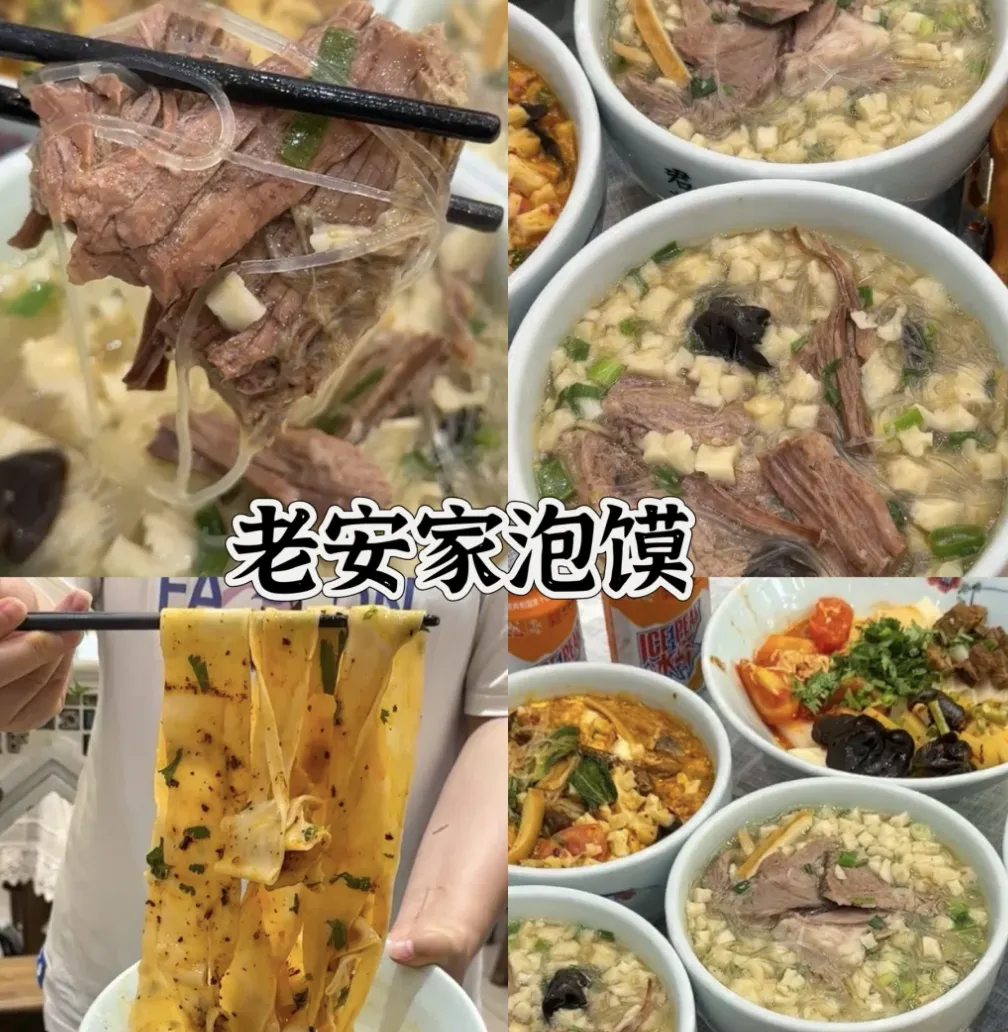
Day 1 — From Breakfast Soup to Night Skewers
Morning. Start at 洒金桥 or 大皮院 before 09:00. Order 肉丸胡辣汤, a thick peppery soup with beef balls, about ¥8, with 坨坨馍 to tear in. Or find a cart selling 甑糕, sticky rice steamed with red dates, about ¥5 a portion; it’s the local equivalent of a danish and just as addictive.
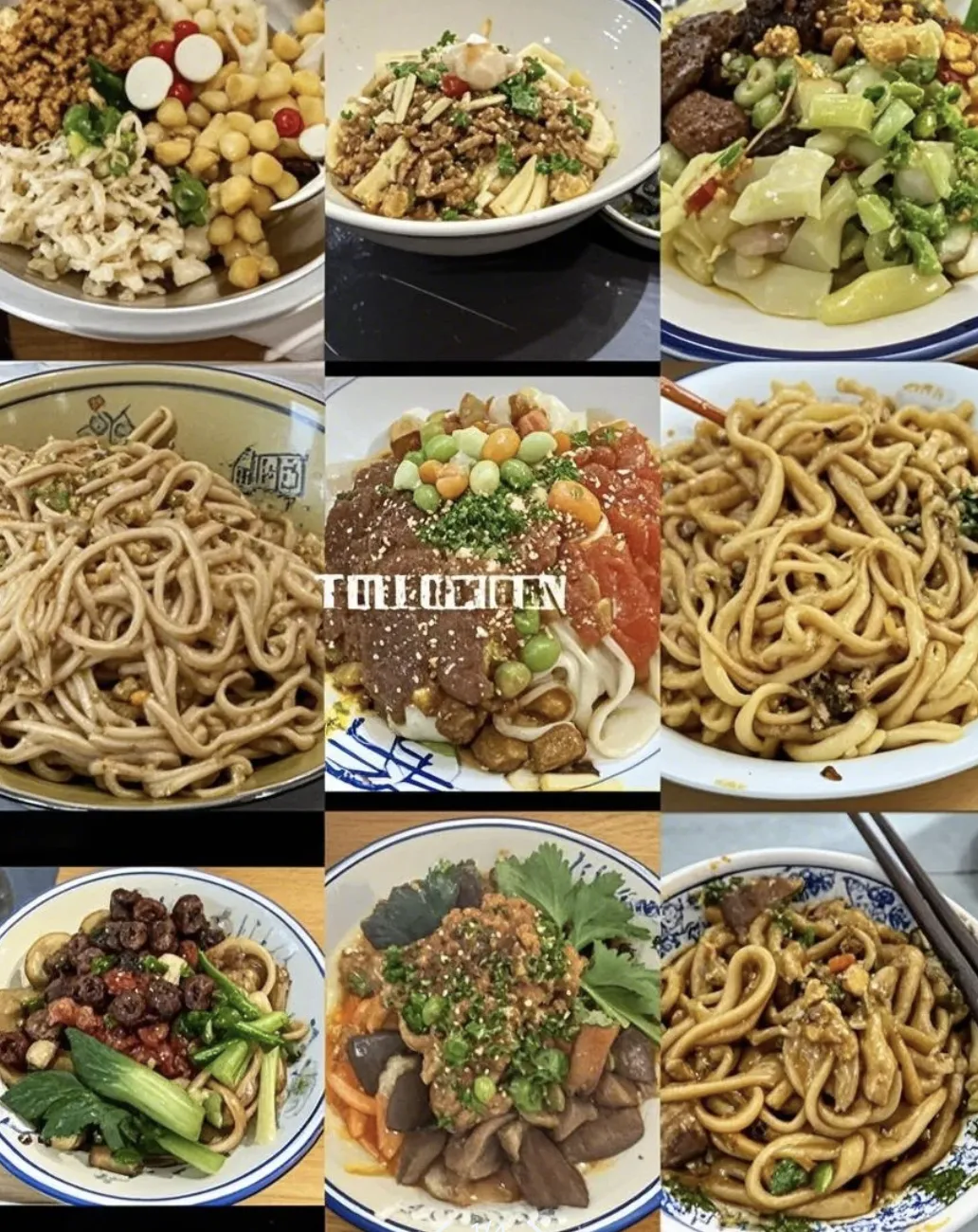
Midday. Biangbiang noodles — the wide ribbons slapped onto the counter with a sound like applause. Order 三合一 (about ¥20), the version with three toppings, and watch the cook work before you eat. If noodles aren’t your thing, a bowl of 油泼面 or a plate of 凉皮 (about ¥8–10) does the same job.
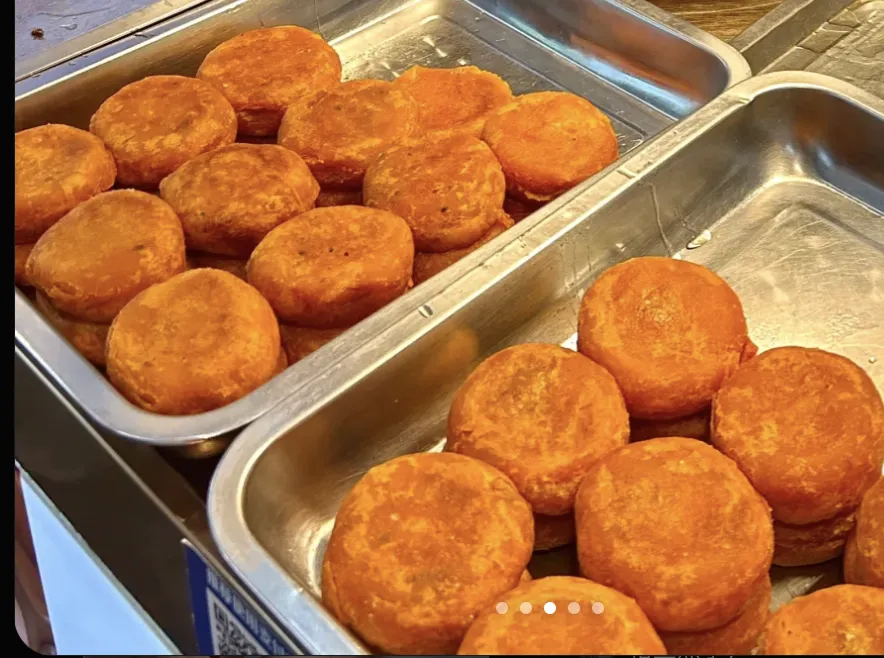
Afternoon. Wander 西羊市, the lane running off the main 回民街 drag. This is snack country: 柿子饼 (about ¥4), 镜糕 (about ¥5), candied hawthorn on sticks. Buy one thing at each stall and you’ll still spend under ¥40.
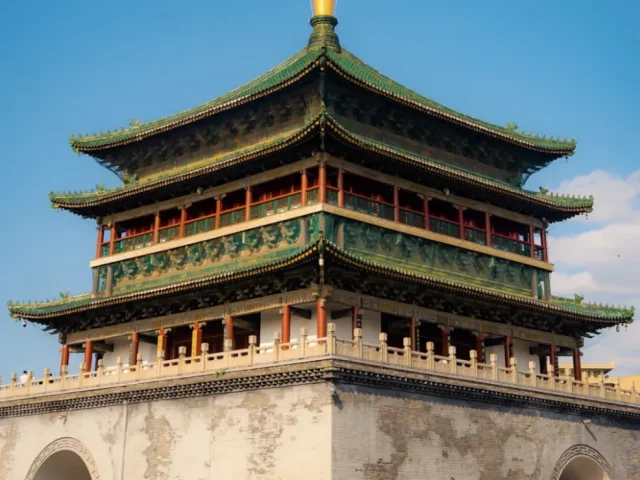
Night. The main street of 回民街 at 20:00 is a wall of smoke and queues. Push past the first two blocks — the skewer stalls get better, and cheaper, deeper in. Lamb skewers run about ¥3–5 each; a plate of grilled 馕 closes the night well. Finish with 酸梅汤, then walk it off around the Drum Tower.
The Dishes You Can’t Miss
- 羊肉泡馍 (yangroupaomo) — about ¥35–40 at 同盛祥 or 老孙家. You tear the bread yourself; the bowl comes back steaming, and the tearing is the point.
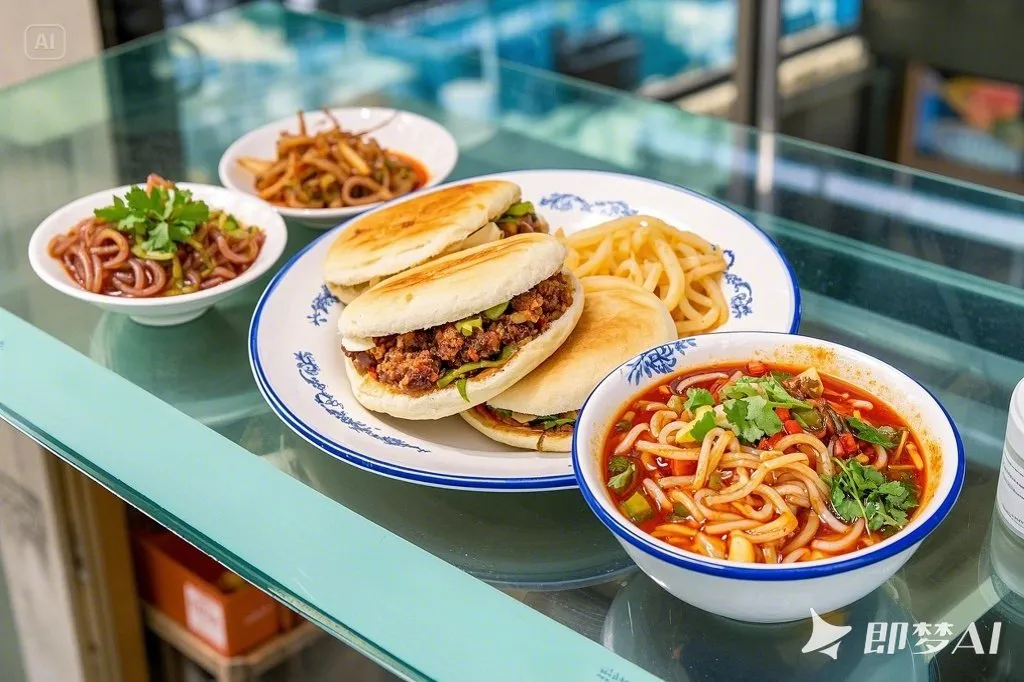
- 肉夹馍 (roujiamo) — about ¥12–15. Crisp flatbread, slow-braised pork. The shop 秦豫肉夹馍 near the Bell Tower is my reference, but a good one appears on every other corner.
- 灌汤包 (soup dumplings) — 贾三灌汤包 on 回民街, about ¥25–30 a steamer. Bite, sip, then eat.
- 凉皮 (cold-skin noodles) — about ¥8–10; with roujiamo and 冰峰 it forms the city’s classic quick trio.
- 葫芦头泡馍 — 春发生’s version, about ¥30. A pork-intestine relative of yangroupaomo, and the dish locals argue about most.
- 柿子饼 (persimmon cakes) — about ¥4 each, fried, sticky-sweet, best when they’re still hot.
Day 2 — Yongxingfang, Dumplings, and a Cooking Class
Morning. Take Line 4 to 大差市 and walk to 永兴坊, a walled food park by Zhongshan Gate that gathers Shaanxi’s regional snacks into one tidy circuit. The famous 摔碗酒 is here — a tiny cup of rice wine you smash after drinking (about ¥5 a cup, enormous fun and strictly a spectator sport if you’re driving). 子长煎饼 and 凉皮 stalls fill the lanes; come before noon and it’s pleasantly calm.
Midday. The dumpling banquet at 德发长, near the Bell Tower, is theatre as much as lunch: dozens of dumplings shaped like flowers, frogs, even miniature terracotta warriors. Sets start around ¥80–150 per person; book ahead on weekends.
Afternoon. A cooking class. Studios near Big Wild Goose Pagoda run two-hour sessions where you make biangbiang noodles or dumplings and then eat your results — about ¥150–200 per person. It’s the souvenir that fits in a suitcase, and the technique for slapping dough is easier than it looks.
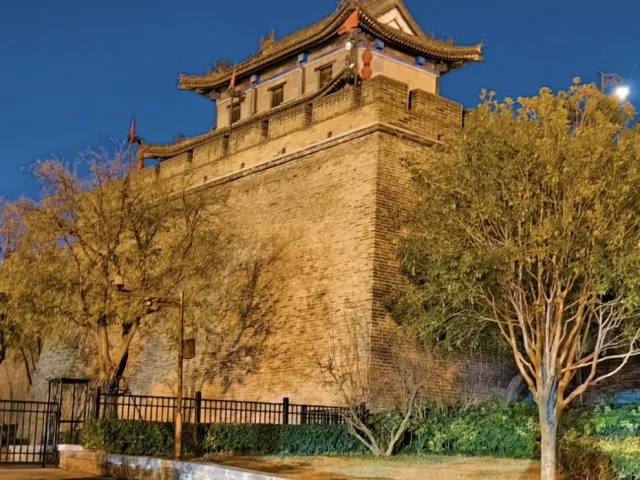
Night. Finish the trip the proper way: 羊肉泡馍, torn by hand, at a quiet 泡馍 shop on 大皮院. The 同盛祥 flagship near the Drum Tower is the famous version — about ¥35–40 — but any busy small shop with old men inside is a safe bet. Follow it with 冰峰, and walk the wall’s southern edge on the way back to clear the steam.
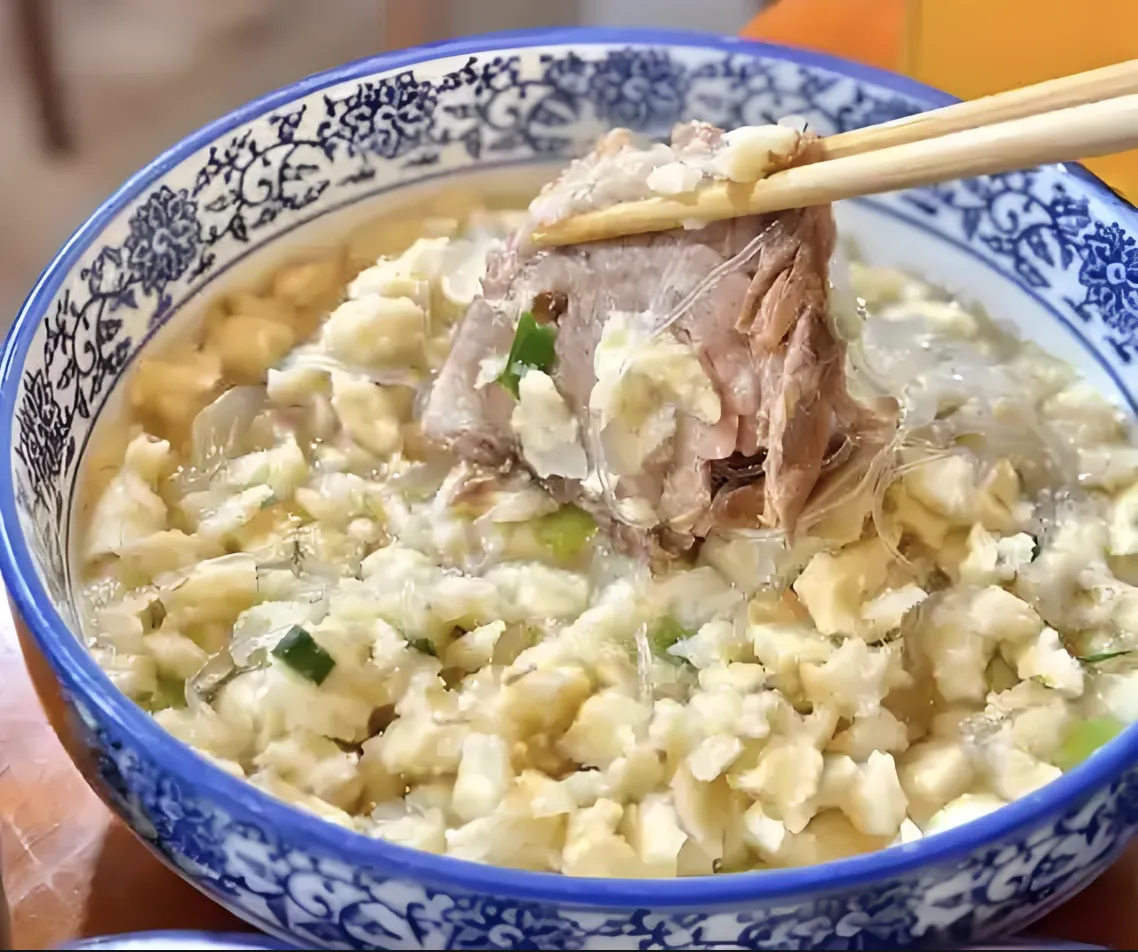
“You don’t find the best food in Xi’an by reading the menu,” a regular at a 泡馍 shop once told me. “You find it by watching where the old men sit.” I think about that every time I see a queue of white-haired locals — I join it without reading the sign.
Practical Notes
- Queues: the famous 泡馍 places peak 12:00–13:00 and 18:00–20:00; go an hour off and you’ll eat alone.
- Spice: Xi’an’s chilli is fragrant before it’s hot; say 微辣 (mild) if you’re cautious.
- Cashless is king: stalls take WeChat Pay and Alipay, and visitors can link an international card to Alipay before arriving.
- Hygiene rule of thumb: eat where the queue is busy — high turnover means fresh food.
Tips
- Eat breakfast like a local; it’s the city’s most underrated meal.
- At a paomo shop, refuse the machine-cut bread and tear your own — half the flavour is the ritual.
- Bring someone to share with; portions are built for two.
- If you can try only one thing, make it yangroupaomo — but save it for the last night, when you’ve earned it.
- Buy 酸梅汤 from a shop that squeezes the plums in front of you, not from a bottle.
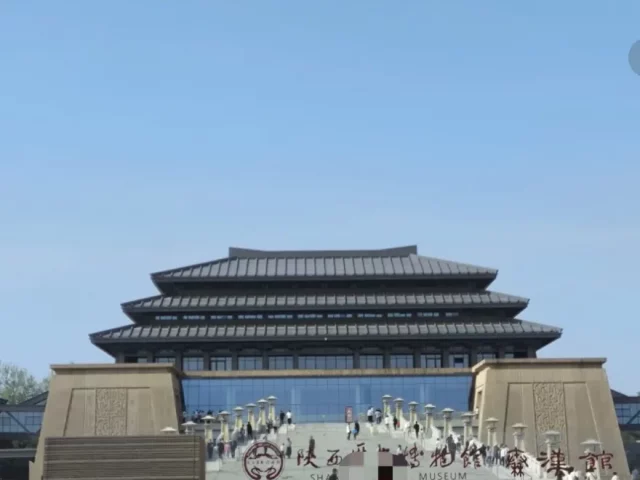
Two days, and I had eaten my way through fourteen centuries of the city without entering a single museum. The spreadsheet died by lunchtime on day one. I let it. Xi’an’s food is best eaten the way the city serves it — one steaming bowl at a time, no plan beyond the next bite.