The hostel bed near the South Gate set me back ¥70 a night, and the first thing the receptionist told me was to skip the main drag of the Muslim Quarter. Eat two lanes over, he said — that’s where the locals go. That one sentence saved both my budget and my taste buds, and it set the tone for the whole trip. In Xi’an the best experiences are the cheap ones, if you know where to point yourself.
I’m not a disciplined budget traveler. I want clean sheets, food I can watch being cooked, and no clipboard itinerary. So this three-day route is built the way I actually traveled it: one big ticket item, a lot of walking, and every meal treated as part of the sightseeing rather than a stop between sights.
Where to sleep without spending much
Two neighborhoods matter. Around 永宁门 (South Gate) a cluster of hostels sits within walking distance of the wall, the Muslim Quarter, and metro Line 2; dorm beds run about ¥60–100 and private rooms ¥180–280. Around the Bell Tower the rates run a little higher, but it’s the right base if your train arrives late — 钟楼 station is a ten-minute walk from a dozen hostels. Book on the usual apps and read the newest reviews; the same bed can cost ¥40 more in October than in August, and the good hostels at ¥60 are good for a reason.
Eating well for pocket change
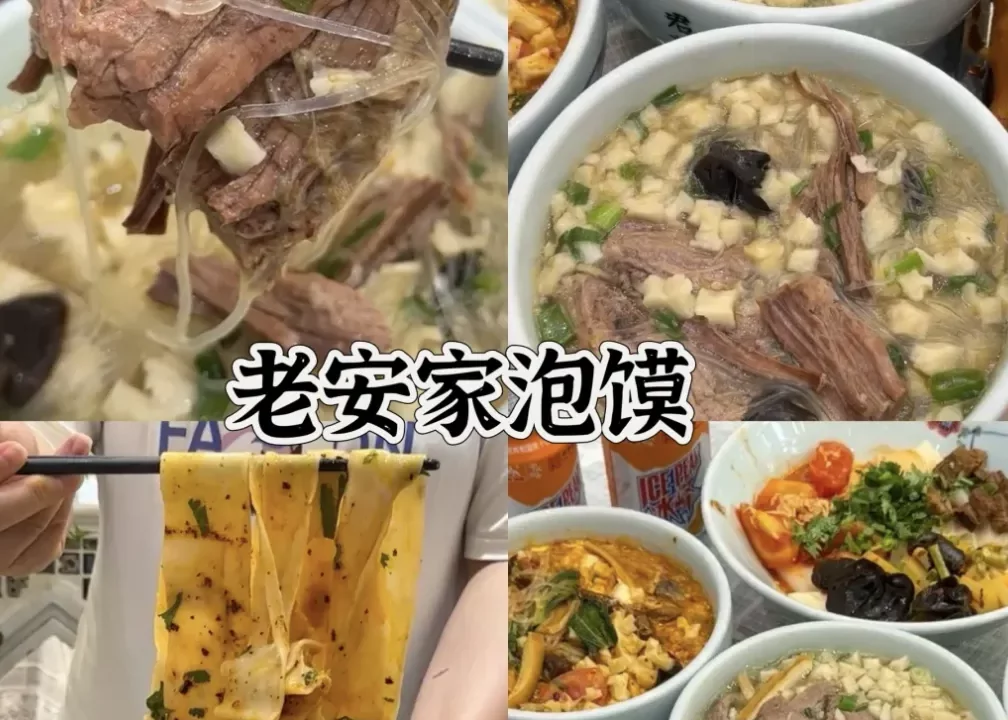
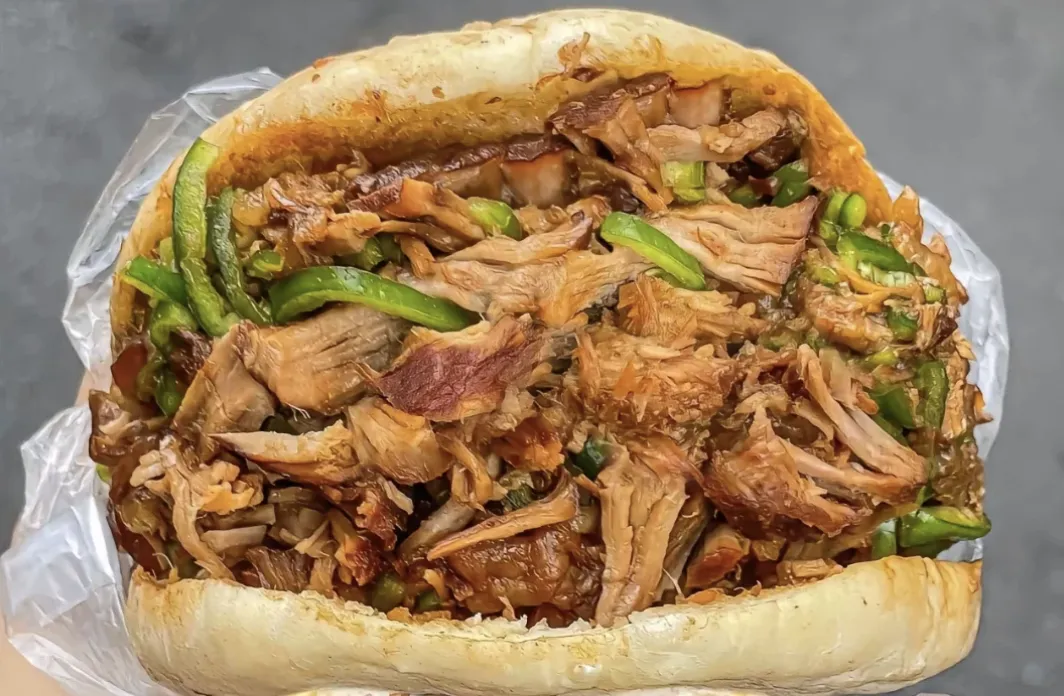
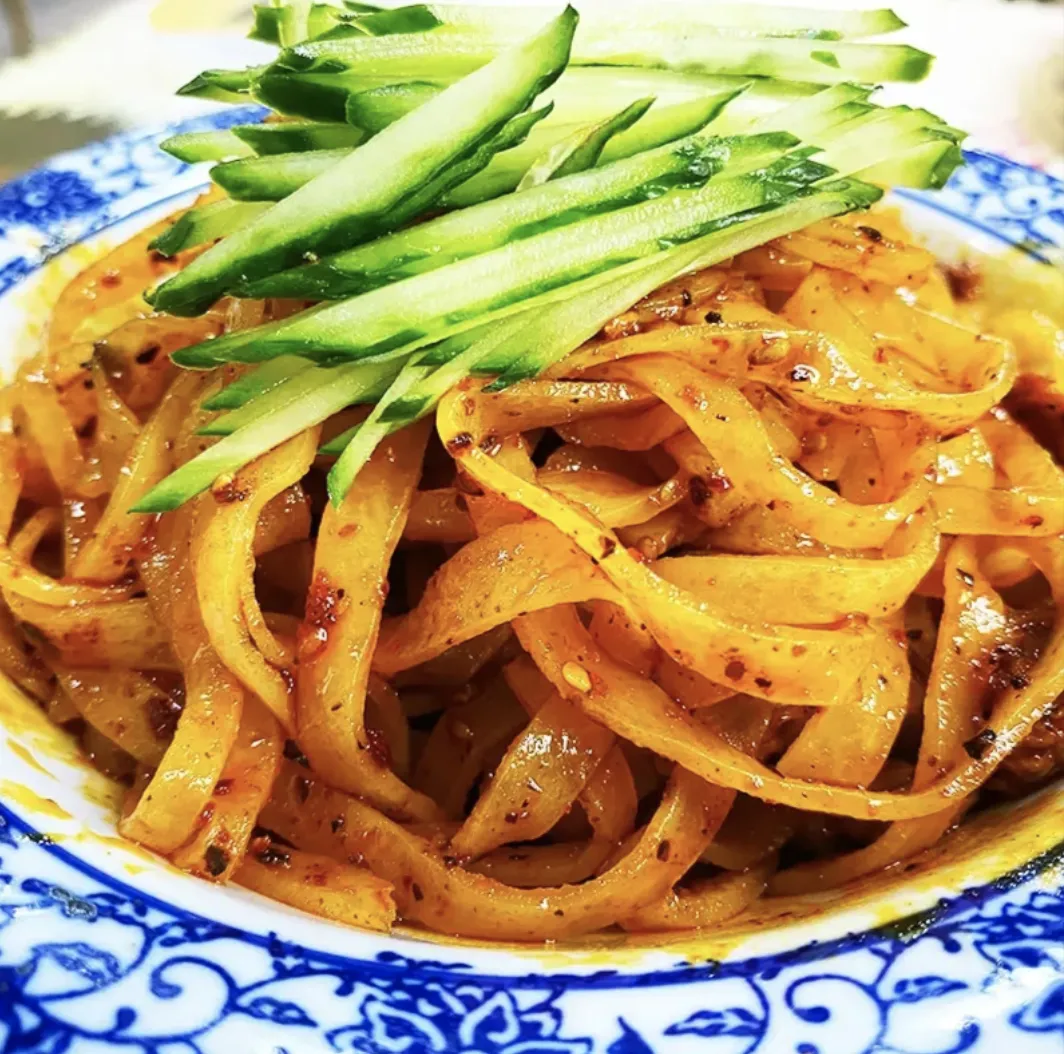
The street-food economy is absurdly kind to a backpacker. A 腊汁肉夹馍 (lamb burger) is about ¥10–12, 凉皮 (cold-skin noodles) about ¥8–12, a bowl of biangbiang noodles about ¥20, lamb skewers two or three yuan each. The sit-down classic, 羊肉泡馍 — mutton soup into which you tear your own bread, slowly, and anyone who finishes early has torn it wrong — costs about ¥35 and will fuel you for the rest of the day. Breakfast is the sleeper deal: 肉丸胡辣汤 (meatball pepper soup) at about ¥8–10 a bowl, or 油茶麻花, fried dough twists soaking in spiced oil tea, for a few yuan — both best eaten at counters that close by ten, because the neighborhood has already finished with them. The rule of thumb for the other meals: eat wherever the queue is Chinese and the bench is plastic.
Day 1: The wall, then the food lanes
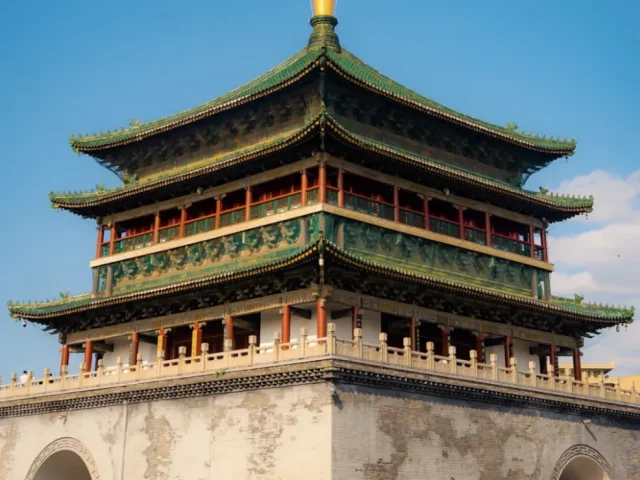
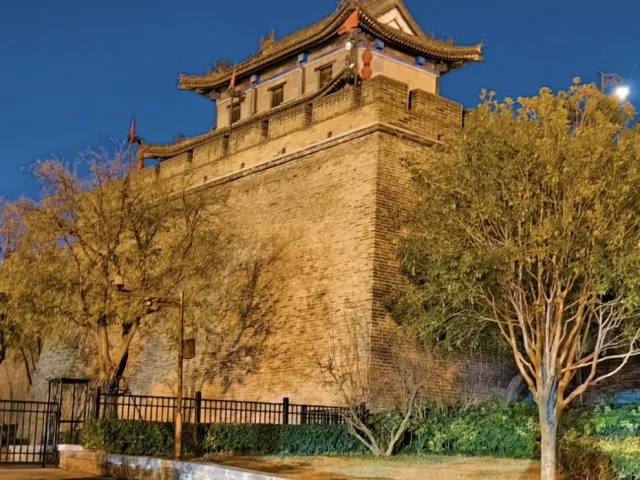
Climb the wall at Yongningmen in the late afternoon (about ¥54) and walk the southern stretch as the city switches its lights on; the bikes cost about ¥45 for two hours if you’d rather cover ground. Come down and cross into the Muslim Quarter, follow the crowds up 回民街 for the spectacle — the candied hawthorns, the knife-grinding noodle shows, the clouds of cumin smoke — then peel off onto 洒金桥 for the actual dinner. Finish the night at the Drum Tower, lit until about 22:00, and listen to the drummers from the street. Cost of the whole evening, dinner included: about ¥60.
Day 2: The Terracotta Army without the tour bus
The cheapest honest way out is the Y5 bus from Xi’an Railway Station: about ¥10 one way, roughly an hour, and it leaves from the east side of the station — ignore anyone waving you toward a private van. The site ticket is about ¥120 and the place is genuinely enormous; budget three hours for Pit 1, Pit 2, Pit 3, and the bronze chariot gallery. Pack water and snacks, because the on-site food court is mediocre and priced for captives. In summer the pits are airless and the crowds relentless, so the early bus is not just cheaper in spirit — the 07:30 departure puts you at the gates before the tour groups, and the first hour in Pit 1 is the only quiet one you’ll get all day. Worth losing a lie-in for. Coming back, the bus passes Huaqing Palace; on a backpacker budget I’d skip the ¥120 ticket and spend it on dinner instead, unless the Lishan hillside is calling you.
Day 3: Museums, a pagoda, and a fountain show
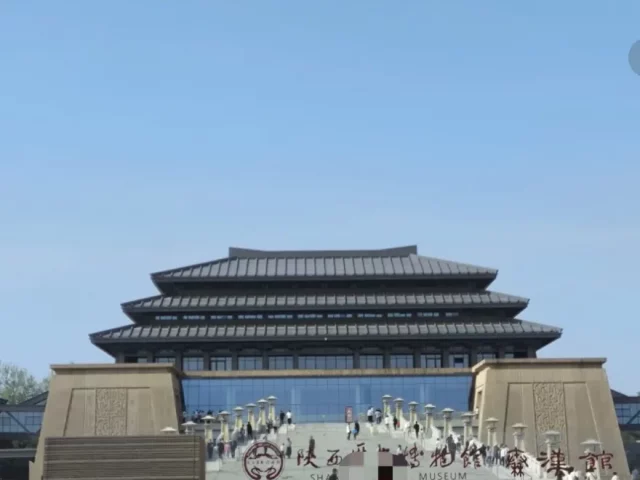
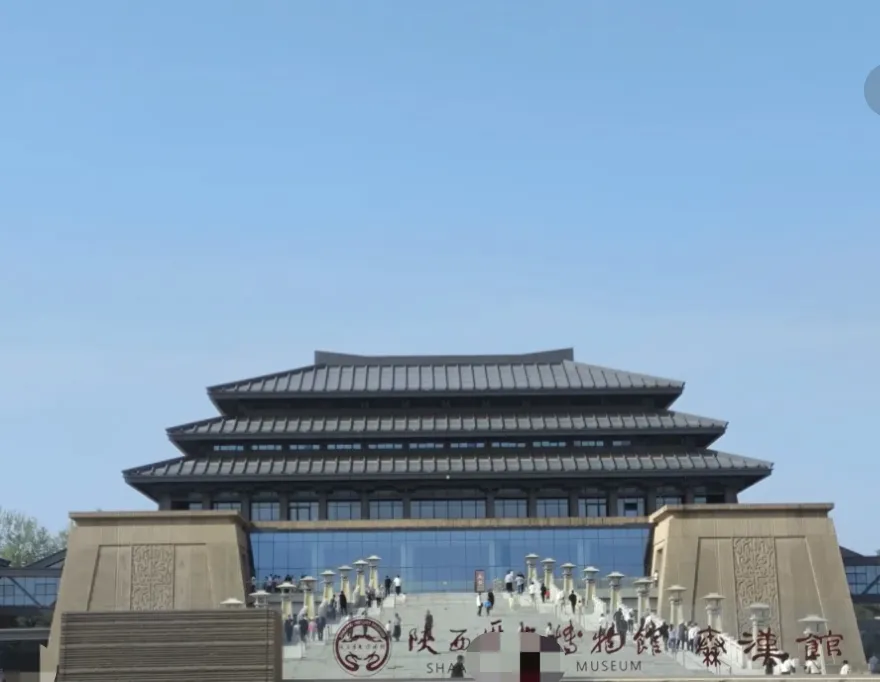
Morning at the Shaanxi History Museum — free, but the reservation must be booked on WeChat days ahead; it opens 09:00 and closes Mondays. It’s the best-value cultural hour you’ll have in China, never mind Xi’an: the Tang gold alone would fill a lesser museum’s entire ground floor. Afternoon at the Big Wild Goose Pagoda: the climb is about ¥25 and the view from the top is worth every step. When dusk lands, walk south into Datang Everbright City — free to enter, spectacular to wander, and best experienced with something fried from a street stall while the north-square fountain show runs its cycle from about 20:30. Count the day’s tickets as you walk: the museum free, the pagoda climb ¥25, the show free. It’s the cheapest day of the trip, and most travelers will tell you it’s the best one.
What three days actually cost me
- Hostel: 3 nights × ¥70 = ¥210
- City Wall: ¥54
- Terracotta Army: ¥120, plus ¥20 in buses
- Food: about ¥120–150 a day — street food, one sit-down bowl, fruit from the stalls
- Metro and city buses: roughly ¥30
Total: just over ¥1,000, and the only thing missing was a fourth day.
Tips
- Reserve the Shaanxi History Museum slot before you arrive — same-day slots are routinely gone by nine.
- Set up Alipay or WeChat Pay before leaving the airport. Stalls often can’t break a ¥100 note, and many won’t take cash at all.
- Carry your own tissues — public bathrooms in Xi’an’s markets are clean but paperless.
- The wall is better at dusk than at noon. Go late, pay once, watch the sunset from the ramparts.
- Memorize 不要辣 (bù yào là) — “no spice” — and say it early. The chilli oil arrives otherwise.
Going home
I left on the night train with about ¥80 in my pocket, a bag of persimmon cakes, and the feeling that Xi’an had cost me almost nothing and given back everything. An old city like this doesn’t want a traveler with a full wallet; it wants one with empty pockets and empty plans. On this budget, you’re exactly that.