I have a theory about rainy days in China: they are the universe’s way of forcing you to do the things you keep postponing. Xi’an tested the theory hard. The forecast had promised drizzle; by 09:00 it was a proper grey curtain, and my plan for the city wall had dissolved into puddles. I stood in the hotel lobby with two wet jackets and a map, took a breath, and rebuilt the day indoors. What followed turned out to be one of the best days of that trip. If your Xi’an forecast shows rain, don’t cancel — rebuild.
Rule One: The Museum, If You Booked It
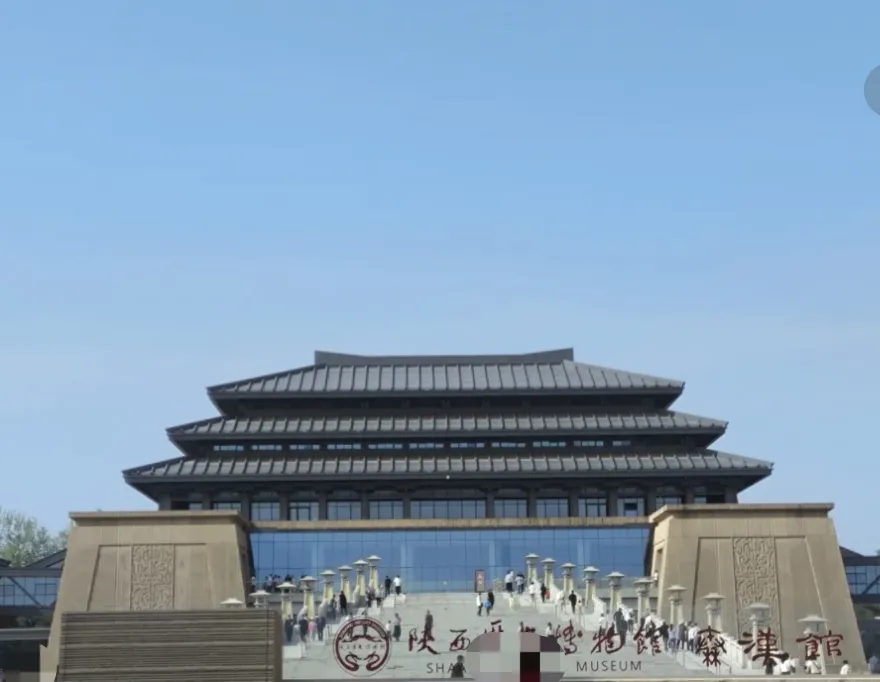
Shaanxi History Museum is free, which is exactly why it’s so hard to get into. Slots open on the official WeChat channel (search 陕西历史博物馆) about three days ahead and vanish fast; if you have one, this is the morning for it. It runs 08:30–17:00, closes Mondays, and two and a half hours inside is about right — the highlights for most people are the agate cup, the Tang-dynasty glazed horses, and the hall of miniature terracotta figures. The camel carrying a small band of musicians and the silver pot shaped like a dancing horse are the two Tang pieces I still describe to people years later. If you missed the reservation, 西安博物院 (Xi’an Museum) at Small Wild Goose Pagoda is the quieter backup: easier to book, and the pagoda garden gives you somewhere to stand when the rain lets up. (It closes Tuesdays instead of Mondays.)
The museum hall is big and air-conditioned, which on a wet August day is worth the price of the trip by itself.
Lunch Without Getting Soaked
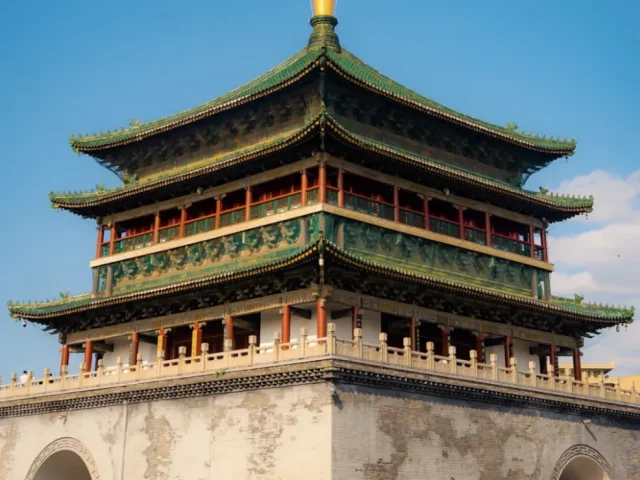
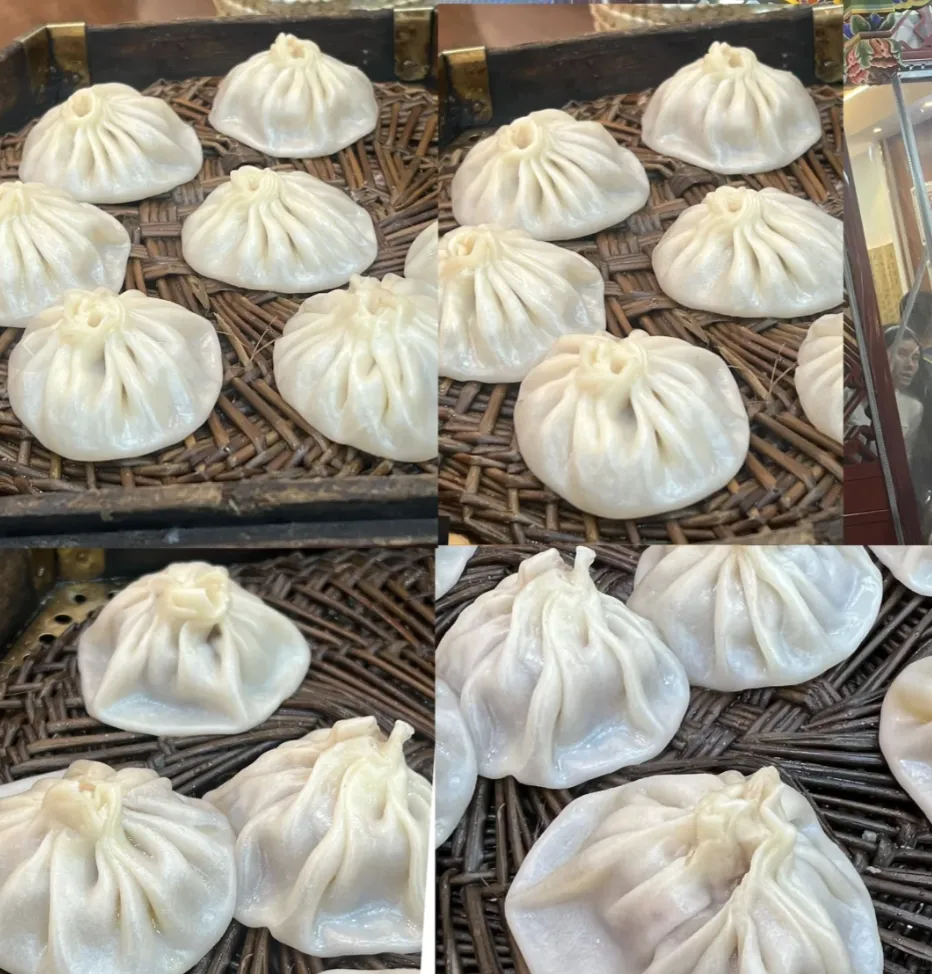
The underground passages at Bell Tower connect the tower, the square and the edge of the Muslim Quarter, so you can cross the old city’s heart almost dry. For a longer indoor lunch, ride Line 2 to 小寨 and eat at 赛格国际购物中心 — famous for its indoor waterfall and the escalator that climbs five floors. The food halls run from about ¥20 for noodles to ¥60 for a proper sit-down; the 凉皮 counters are fast and the dumpling shops are warm. Alternatively, 德发长 near the Bell Tower does its dumpling banquet through lunch — about ¥80–150, and the wait for a table is a dry one.
Afternoon: The Terracotta Army Is a Rain Plan
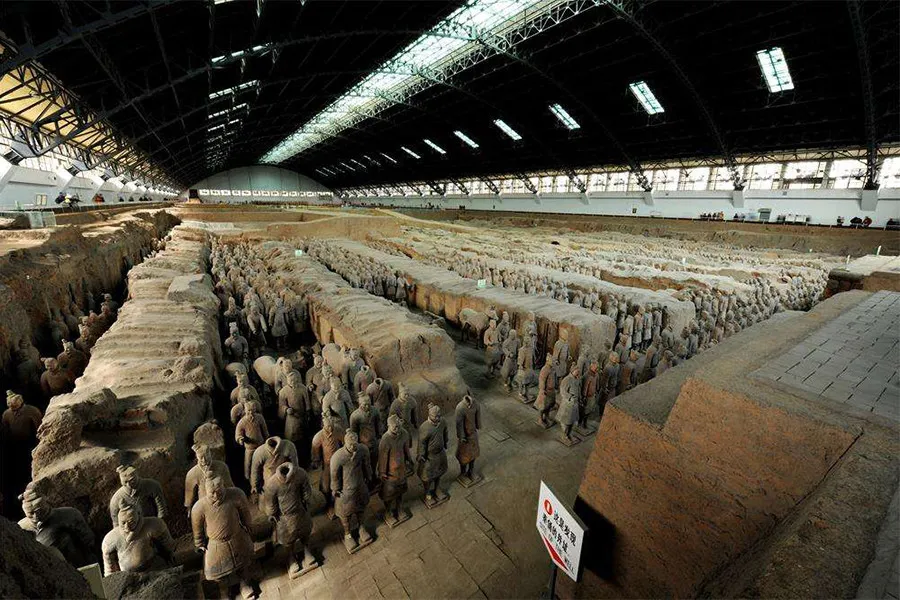
Counterintuitive, but true: the pits are fully covered, the walkways are sheltered for the most part, and — the real blessing — tour groups thin out dramatically when the weather is poor. Tickets are about ¥120, hours 08:30–18:00. Getting there is the only wet part: metro Line 9 to 华清池 station, then a short bus or taxi hop. Wear shoes with grip; the stone paths get slick.
The Other Indoor Afternoon: Stone, Ink and Puppets
If the army doesn’t call to you, the 碑林博物馆 (Forest of Stone Steles) near 书院门 is dry, quiet and strange — thousands of steles carved with a thousand years of calligraphy, the closest thing China has to a library made of rock. If calligraphy isn’t your language, the courtyard steles — including the famous Nestorian stele from the Tang dynasty — still read as art with not a single character deciphered. About ¥60, and two hours is plenty. Afterwards, 书院门’s covered arcade sells brushes, ink and paper even in a downpour.
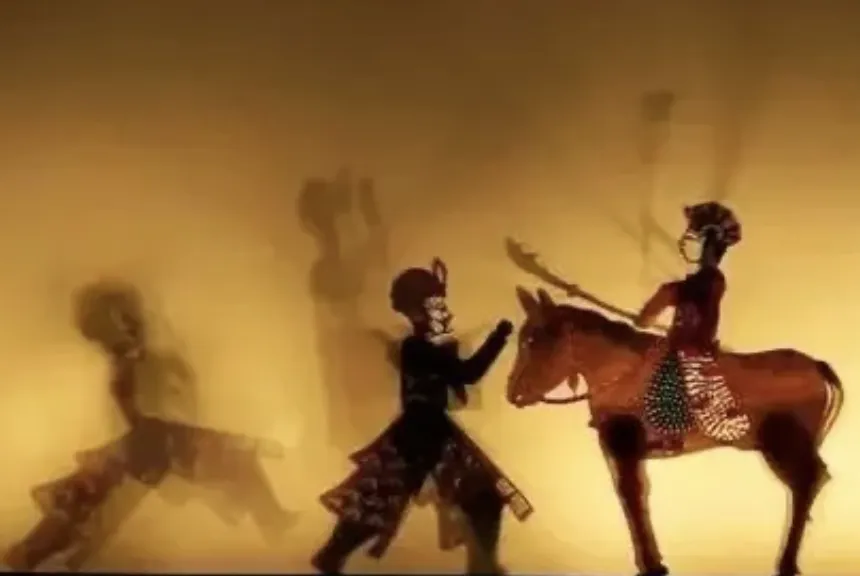
In the evening, shadow-puppet shows run at courtyard venues in the Muslim Quarter — about ¥30–60 with the performance. The stage is small, the puppets are leather and lamplight, and the stories are older than the city’s wall. It’s the kind of thing you only see because the rain cancelled everything else.
The Mall Option
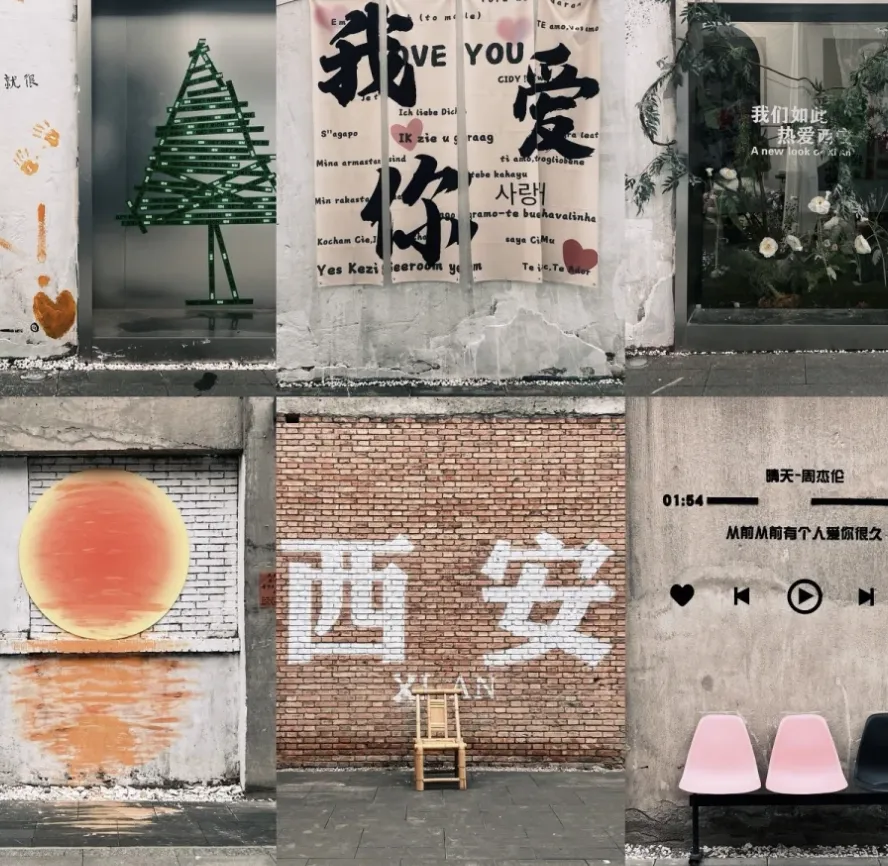
Sometimes the kids — or you — are done with history. 大悦城 (Joy City) beside Big Wild Goose Pagoda has a rooftop terrace, a food court and a cinema; 老城根 G-PARK and 曲江创意谷 are newer and calmer, both an easy metro ride from the centre. And 大唐西市博物馆, built over the remains of a real Tang-era marketplace, is a solid two hours of quiet archaeology with none of the queue — just confirm the hall you want is open before going, since it runs rotating exhibitions.
If none of it appeals, do what half of Xi’an does on a wet afternoon: find a 足疗 (foot-massage) shop, take the hour-long soak-and-scrub special for about ¥80–150, and let the rain do whatever it wants.
Evening: Something Hot and Loud
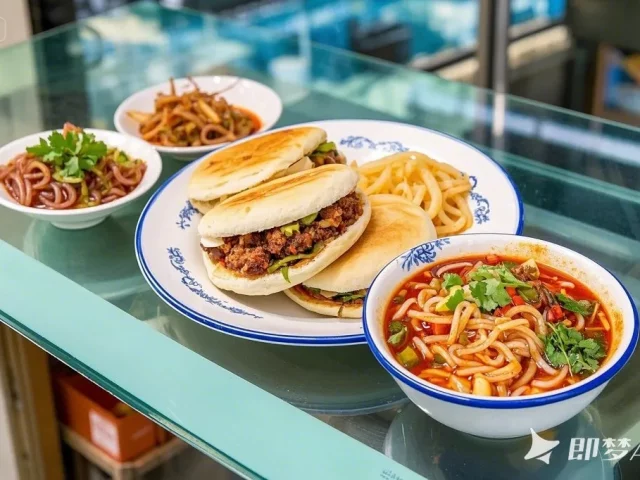
Rainy nights call for steam. The 易俗社 block near the Bell Tower — a century-old Qinqiang opera house wrapped in a modern cultural district — runs evening performances; even forty minutes of 秦腔 — all wailing strings, painted faces and a percussion section that means business — is memorable. For food, 春发生’s 葫芦头泡馍 (about ¥30) is the rainy-night classic, and a hotpot chain near 大雁塔 does the job if you want company in the steam.
Practical Details
- Rain gear: convenience stores sell umbrellas for about ¥20, and the metro network doubles as a dry corridor between many sights.
- Closed days: Shaanxi History Museum Mondays, Xi’an Museum Tuesdays; check the Stele Forest’s calendar before relying on it.
- Taxis get scarce in the 18:00 rain — plan on Lines 2, 3 or 4, and check the last-train time before a late dinner.
- Metro rides run about ¥2–7, so staying underground is cheap as well as dry.
- Shaanxi History Museum runs timed entry; arrive inside your slot’s window — late means gone.
Tips
- Book the free museum the moment your travel dates are fixed; walk-up entry is nearly impossible.
- Rain makes the Terracotta Army quieter — treat that as a feature, not a setback.
- Keep one afternoon unplanned; a rainy day rewards improvisation more than any other.
- Wet-day shoes: the wall and the pit ramps both turn slippery.
- Learn the Bell Tower’s underground passages — they let you criss-cross the old city dry.
The rain stopped around 21:00 as I came out of the opera block, and every puddle was doubling the streetlights. I had gone out expecting a lost day; I came back with a gold horse, a puppet show, a bowl of hot soup, and the odd realisation that Xi’an in the rain had shown me more of itself than a sunny week might have. Sometimes the weather knows the itinerary better than you do.