Twelve hours in Xi’an, then onward to Europe — that was the shape of my first layover here, and I treated it as a long wait in a very old airport lounge. I was wrong. By hour three I was on the city wall with a rented bike and a bag of persimmon cakes, and by the time I flew out I was planning the next one. Now I route connecting flights through Xi’an on purpose. Forty-eight hours is not a compromise; it’s exactly the length you need to see the army, ride the wall and walk the night street — and still get two decent sleeps.
The Logistics First
China’s 240-hour visa-free transit policy covers Xi’an: if you’re transiting to a third country and your nationality qualifies, you get up to ten days without a visa. Confirm your eligibility before you fly, and have your onward ticket printed.
From Xi’an Xianyang International Airport, metro Line 14 reaches North Station in about 40 minutes (about ¥10), where you change to Line 4 toward the centre; airport buses run to Bell Tower for about ¥25 and take an hour — the airport’s three terminals sit close together and the metro station serves all of them; a taxi is about ¥120–160 depending on traffic. For a layover, sleep near Bell Tower or South Gate — everything on this route is one metro ride away, and hotels there hold bags before check-in.
The 48-Hour Clock
Day 1, evening — Towers and a First Bowl
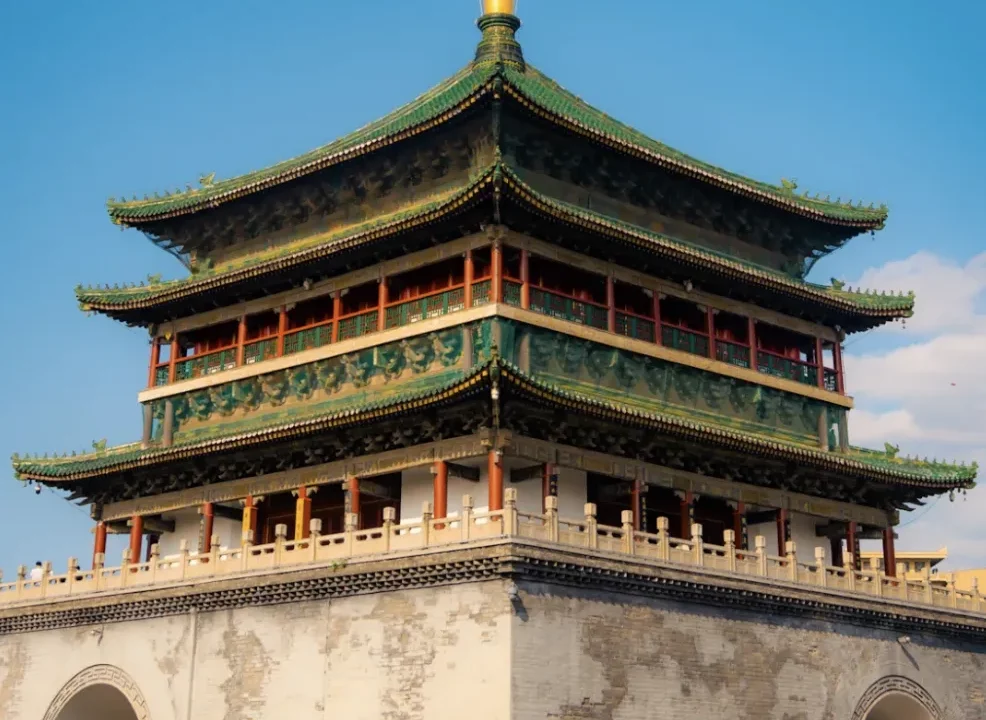
Land, drop your bags, walk to Bell Tower. If it’s before 21:00, climb it (about ¥30) or do the Bell-and-Drum combo (about ¥50); the view down the avenues at dusk is the cheapest jet-lag cure I know. The Drum Tower next door keeps up its drum performances on the hour until about 21:00, which fills the gap if the climb queue is long. Then dinner in the Muslim Quarter: lamb skewers or a bowl of 羊肉泡馍 (about ¥35–40), a 酸梅汤, and back to the hotel early — tomorrow is the long day.
Day 2 — The Army, the Wall, the Night Street
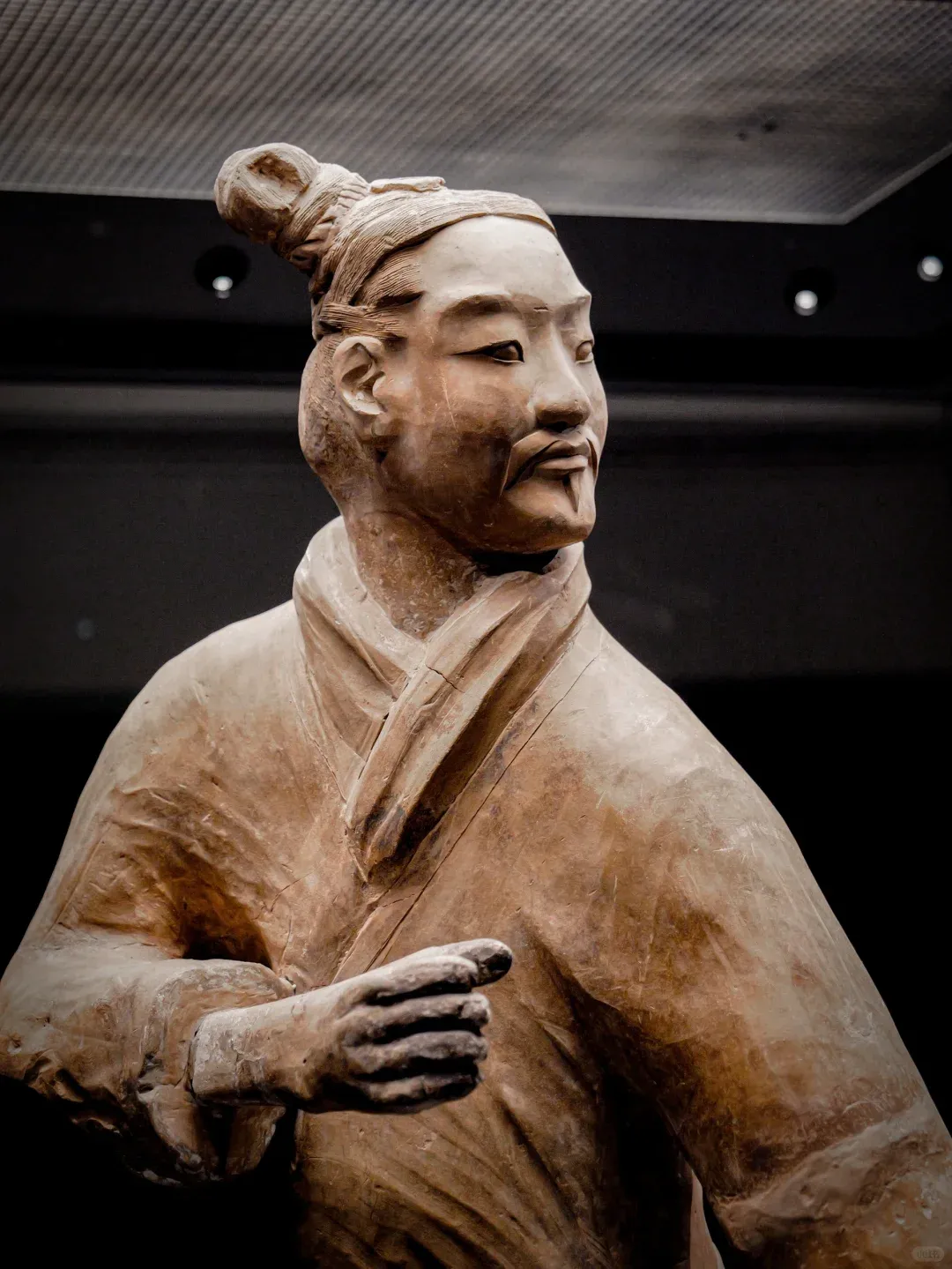
Start early: metro east, change to Line 9 at 纺织城, ride to 华清池 station, then a short bus or taxi to the Terracotta Army. Total about 90 minutes door to door; arrive before 09:30 and you’ll beat the tour-bus wave. Tickets about ¥120, audio guide rental about ¥30. The pits are where local farmers hit clay soldiers while digging a well in 1974 — a story you’ll retell at dinner. Two hours in the pits is enough — the three halls are covered, which makes this plan rain-proof, and the kneeling archer is the detail everyone photographs.
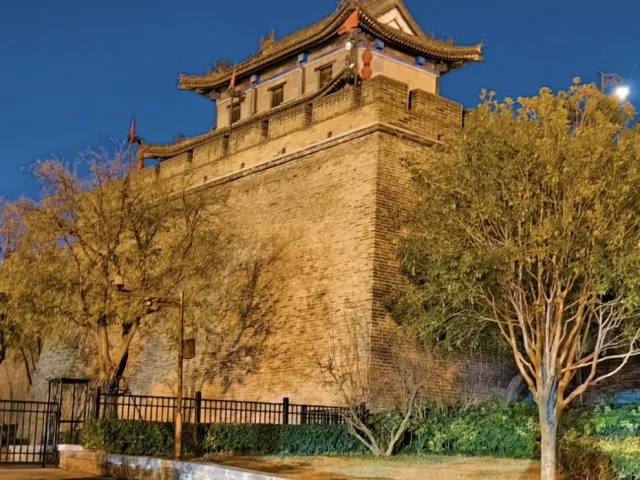
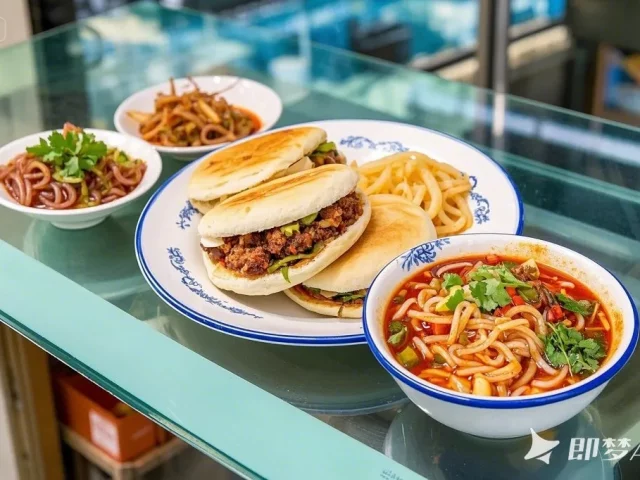
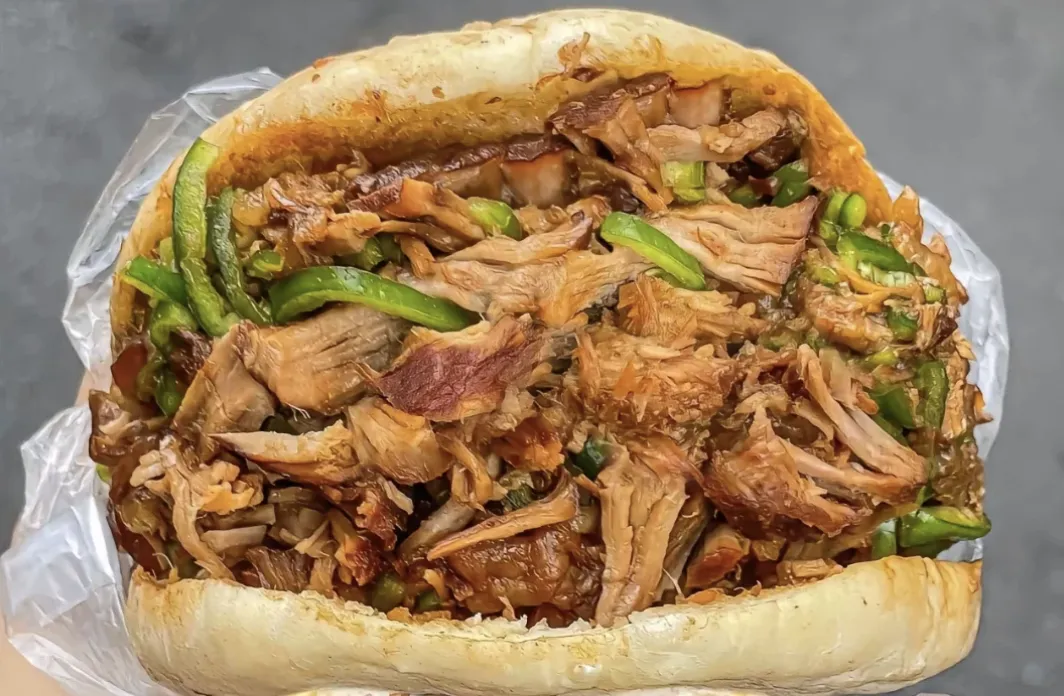
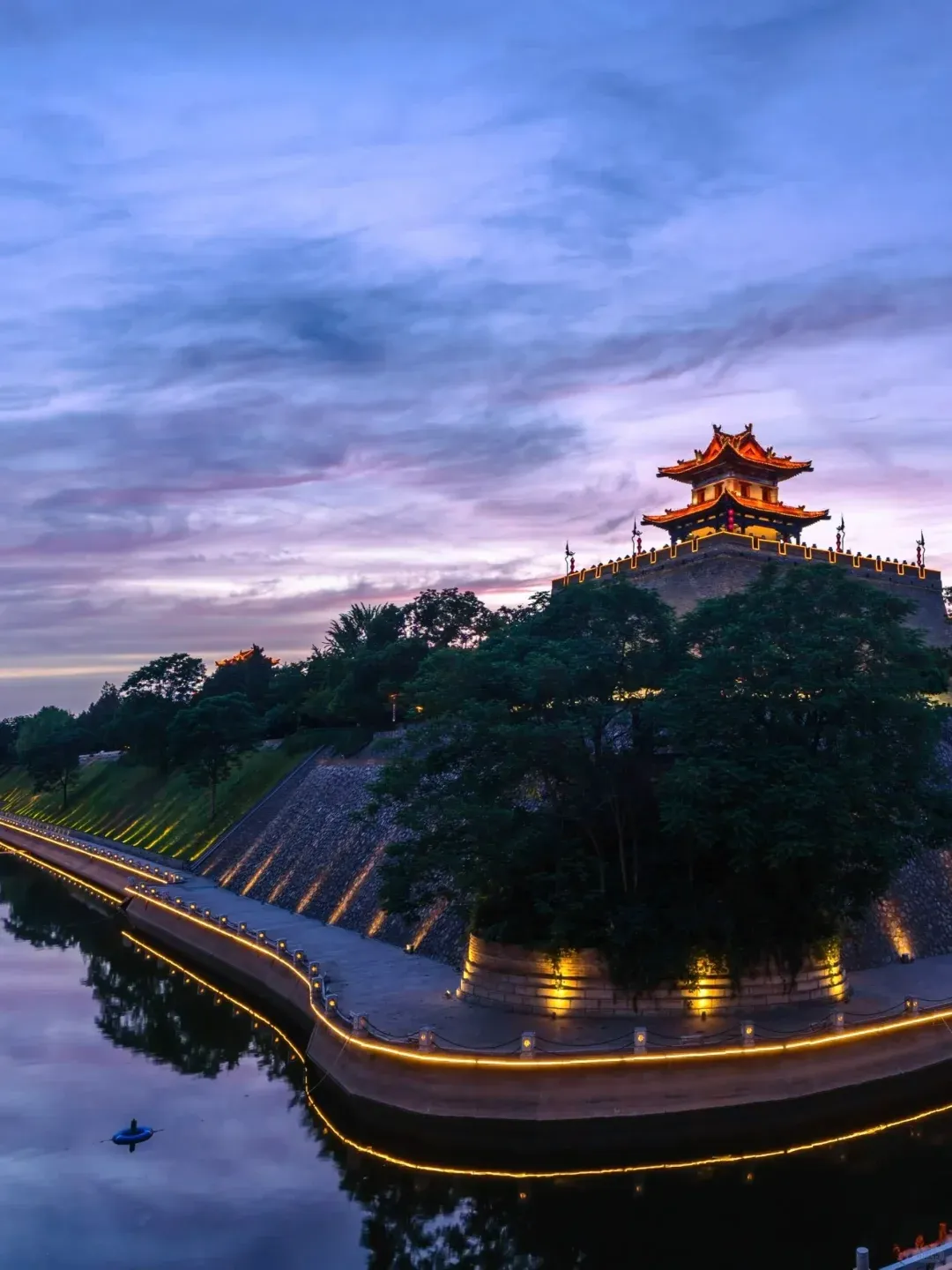
Back toward town by 14:00. Grab lunch on the move — a 肉夹馍 (about ¥12–15) eaten over a metro station railing is an authentic Xi’an experience, I promise — and point yourself at Yongning Gate. The City Wall costs about ¥54, bikes about ¥45 for three hours; riding the southern section past the corner towers takes about an hour and beats every gym in the country.
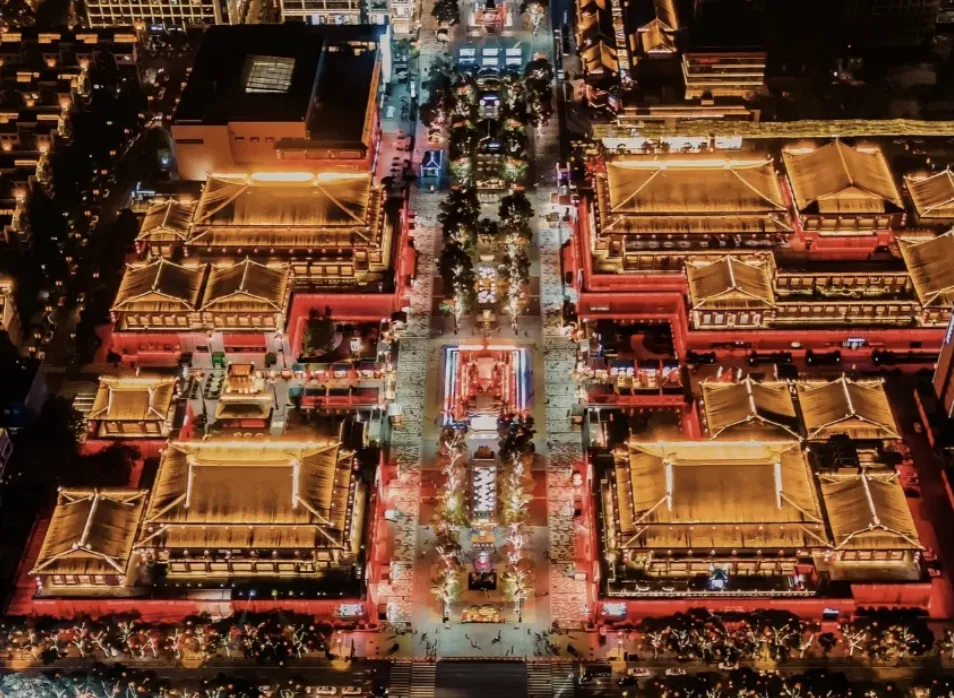
Evening: Line 3 to Dayanta station. Watch the fountain show at Big Wild Goose Pagoda’s north square (evening shows run roughly every two hours from 19:00 — check the day’s schedule), then walk south into 大唐不夜城, the two-kilometre lantern-lit street that stays alive until about 23:00. Free, and the light displays are the best night photography in the city — costumed performers in Tang robes are happy to pose, and the glowing archways at the south end are the money shot. Eat late at a 大皮院 shop on the way back; the streets are calmer and the skewers better.
Day 3 — One Last Morning
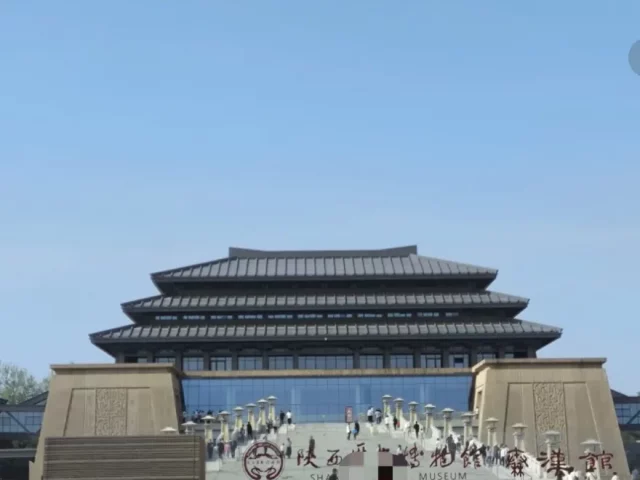
If your flight leaves after 15:00, spend the morning at Big Wild Goose Pagoda itself — about ¥40 for the temple grounds, a little more to climb the pagoda, and the view over the old city at 09:00 is quiet enough to hear the bells. If you managed a Shaanxi History Museum slot (booked three days out — do it before you fly), swap this for that. Otherwise: a 肉丸胡辣汤 breakfast near the hotel, one last loop around Bell Tower square, and Line 14 back to the airport, 40 minutes out.
What to Skip on a Layover
- Mount Huashan — genuinely needs a full day; the train alone is 90 minutes each way.
- Famen Temple — the famous relic sits 120 km west; half a day just travelling.
- Huaqing Palace — worth it only with the evening 长恨歌 show, which you don’t have time for.
- A cooking class — needs three hours you can’t spare; save it for the return trip.
The discipline of a layover is refusal: the army morning plus the wall afternoon plus the night street is already a full day. Add nothing.
The Numbers
- Metro: about ¥2–7 per ride; airport Line 14 about ¥10.
- Terracotta Army: about ¥120, 08:30–18:00.
- City Wall: about ¥54; bike about ¥45 for three hours.
- Big Wild Goose Pagoda: about ¥40 for the temple, extra to climb.
- Street meal: about ¥20–40; a sit-down dinner about ¥60–100.
Tips
- Book a hotel with 24-hour reception and luggage storage before you book anything else.
- Use the metro for the army run; a rush-hour taxi to the airport can take twice as long as Line 14.
- Do the army first — tour buses arrive from 10:00 and the pits fill fast.
- Keep Day 2 flexible; a 15-minute delay at the pits quietly eats your whole evening.
- Stalls are cashless: set up Alipay with an international card before you land.
- The wall bike rental asks for a passport as deposit — keep it in a pocket, not the checked bag.
I’ve now done this 48-hour loop four times, and the pitch writes itself: land, see three of China’s essential sights, eat four of its best meals, get two full nights of sleep. The airport can wait — the army, the wall and that street of lights have been waiting for 2,000 years, and they’ve never once disappointed a traveller who showed up on time.