On my first night in Xi’an, I followed the lanterns and the smell of cumin into the Muslim Quarter. By nine in the evening the main lane had become one solid river of people, steam curling off a hundred stoves, and I ordered from the stall with the longest queue — and ate something perfectly fine, and completely forgettable. Three nights later a local friend pulled me into a dimmer side lane called Sajinqiao, where the queues meant something different, and I finally understood what I had missed. This is the route I wish someone had drawn for me on day one: where the crowds go, where Xi’an people actually eat after dark, and how to eat your way through a night market without wasting a single meal.
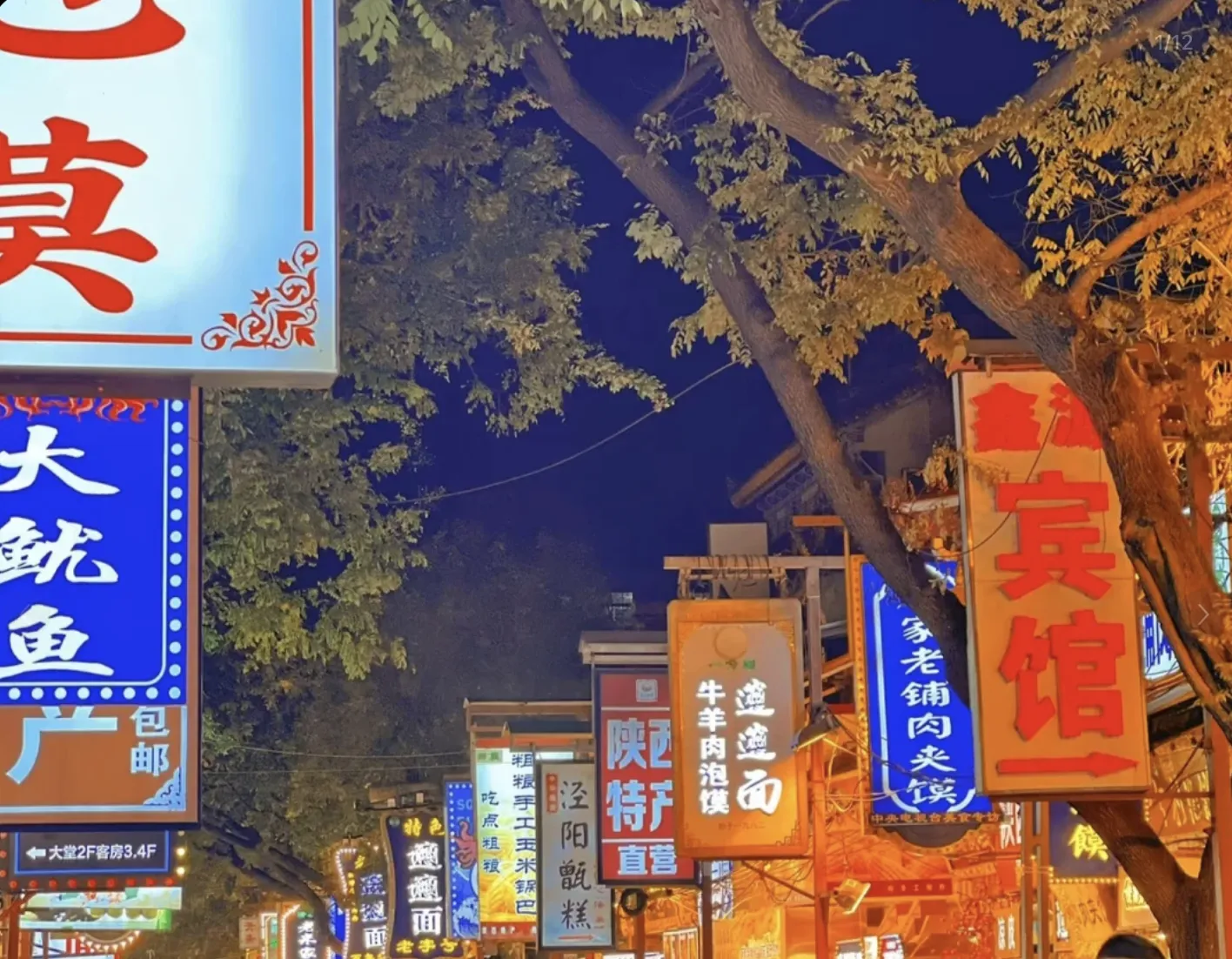
Xi’an Night Markets: Quick Facts (2026)
- Muslim Quarter (回民街 / Beiyuanmen): the tourist magnet — biggest crowds, most atmosphere, prices a notch higher than the lanes beside it
- Sajinqiao (灑金橋): a parallel lane of small stalls where locals queue — cheaper, scruffier, more real
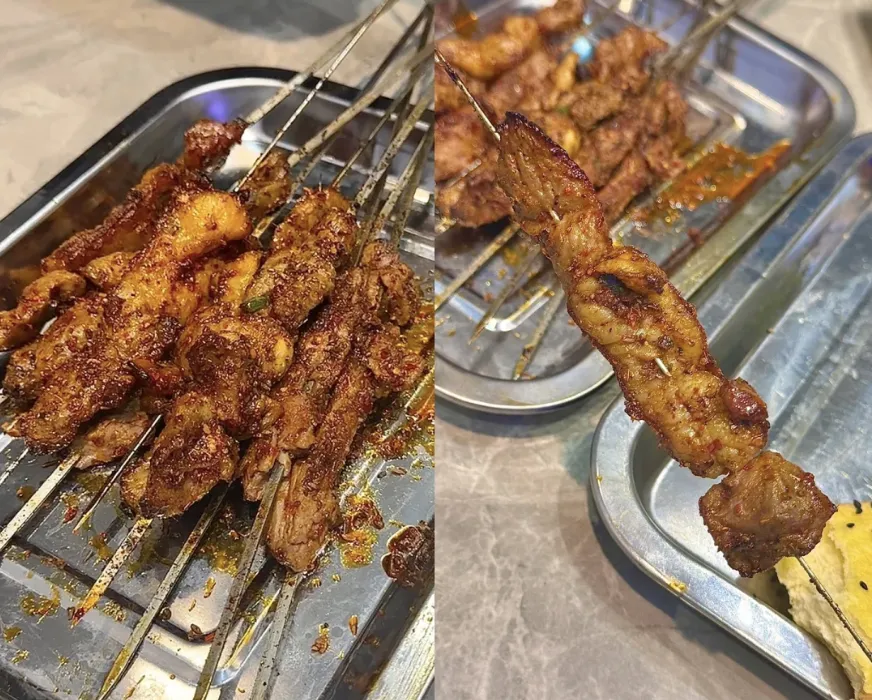
- Dapiyuan (大皮院): Xi’an’s grill street — lamb and beef skewers over charcoal
- Xiyangshi (西羊市): a narrow lane packed wall-to-wall with snack stalls
- Dongxinjie Night Market (东新街): a proper locals’ market east of the old city that runs late
- Food: skewers, roujiamo, yangrou paomo, liangpi, sour plum drink, persimmon cake — most stalls open from early evening until roughly 23:00–01:00
- Hours and prices shift with the season — confirm on the spot; treat every figure here as an approximation for 2026
Where the Crowds Go: The Muslim Quarter (回民街)
The Muslim Quarter’s main drag, Beiyuanmen, runs north from the Drum Tower and is the front door of Xi’an’s old Muslim neighbourhood, the Hui Quarter (回坊). It is also the most photographed street in the city after dark, which tells you exactly what to expect: red lanterns, hanging signs, steam, and at peak hours (roughly 19:00–21:30) crowds so dense that you move at queue speed. It is a mix of snack stalls and souvenir shops, and honestly it is worth seeing once — the view of the Drum Tower from the gate is one of the best free sights in the old city.
My advice is to treat the main drag as theatre. Arrive at dusk before the wave hits, or after 22:00 when the tour groups have left and the lane opens up. Prices on the main drag run a little higher than in the lanes a few minutes’ walk away — that is rent talking, not cooking skill. If you are already planning an evening of sights, the Bell Tower and Drum Tower area pairs naturally with it — see our Xi’an attractions guide.
Sajinqiao (灑金橋): Where Locals Actually Eat
A few minutes’ walk from the main drag, Sajinqiao is the same neighbourhood and a different planet. The lighting is dimmer, the stalls are smaller, and a queue in front of a stall means locals buying dinner, not tourists taking photos. This is where taxi drivers stop on their break and where families pick up weekend treats.
The “follow the queue” rule works better here than anywhere else in Xi’an: a stall with a steady line of people who look like they are buying dinner — not souvenirs — is a stall worth joining. Many items cost noticeably less than on Beiyuanmen. Start your evening here, eat the things you actually came for, and leave the main drag for dessert and photographs.
Dapiyuan (大皮院) and Xiyangshi (西羊市): The Grill Lane and the Snack Lane
Running between and around the two main lanes are Dapiyuan and Xiyangshi, and together they cover most of what people mean when they say “night market food”. Dapiyuan is the grill street: lamb and beef skewers over charcoal, fat dripping onto the coals, cumin and chilli smoke hanging in the air. Order a handful, eat them standing, and chase them with something cold.
Xiyangshi is the snack lane — narrower, denser, and full of small bites: things steamed and fried, sweet and savoury, portioned to be finished in three bites. Both lanes sit between Beiyuanmen and Sajinqiao in crowd level and price, and both are quieter than the main drag in the early evening.
Dongxinjie Night Market (东新街): A Real Locals’ Night Market
If you want a night market outside the Muslim Quarter altogether, take a short ride to Dongxinjie in the east of the old city. This is where local families and late-shift workers come for dinner at 23:00. The stalls cover far more ground — grilled things, seafood, dumplings, hot soups — and because it sits outside the Hui Quarter, pork dishes appear here, which they don’t in the Muslim Quarter. It runs later than most of the old city’s lanes, and it feels exactly like what it is: a neighbourhood that comes alive after most visitors have gone to bed.
What to Order: The Night-Market Shortlist
- Grilled skewers (烤串): lamb or beef with cumin and chilli — the heart of Dapiyuan. Order by the stick.
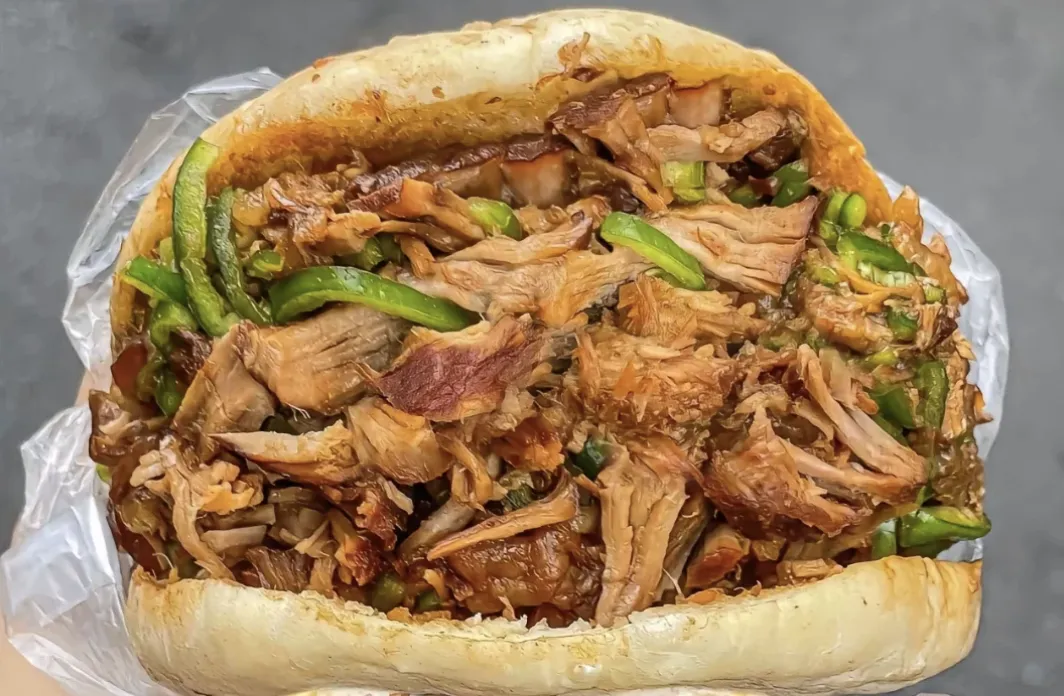
- Roujiamo (肉夹馍): the “Chinese burger” — stewed meat in a crisp-baked bun; the Muslim Quarter version is beef.
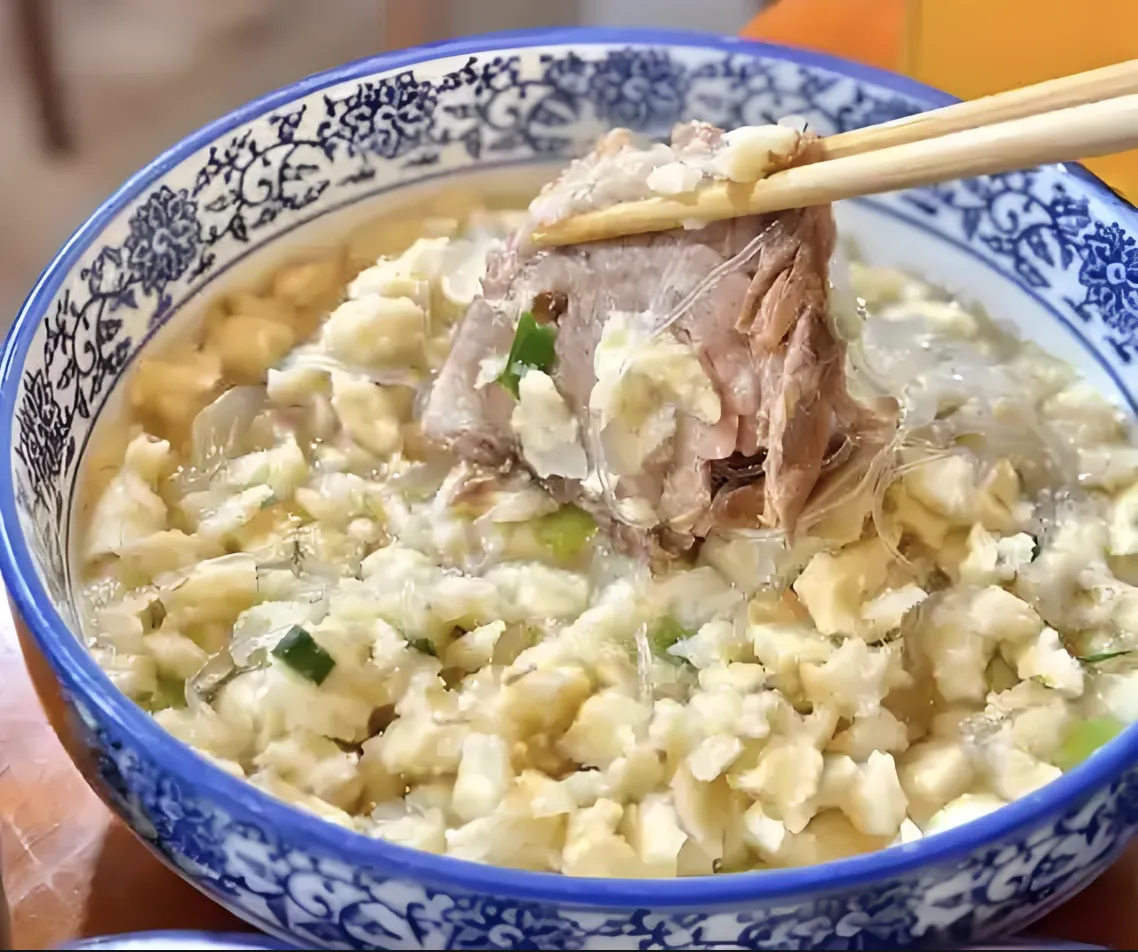
- Yangrou paomo (羊肉泡馍): a bowl of lamb broth into which you tear flatbread — rich, filling, and the closest thing to slow food at a night market.
- Liangpi (凉皮): cold wheat-noodle strips with chilli oil and vinegar — the classic light bite.
- Sour plum drink (酸梅汤): the night market’s universal palate-cleanser, sold at seemingly every stall.
- Persimmon cake (柿子饼): fried, sweet, warm — the dessert the market actually deserves.
Two practical notes. First, the Muslim Quarter is a halal neighbourhood: pork is not part of the local kitchen there, so order with lamb, beef or chicken in mind and keep pork snacks for Dongxinjie. Second, spice: “mild” is not assumed. If you are not used to chilli oil, say so early and keep the sour plum drink close. Prices range from a few RMB for a small bite to roughly 20-40 RMB for a full bowl of paomo — take those as 2026 guesses and confirm before you order. For eating your way through the city in daylight hours, see our Xi’an food guide.
My Experience: One Night, Five Streets
On a Tuesday in late autumn I started at Sajinqiao at seven, ate a beef roujiamo that cost less than my metro fare, and stood at a grill stall on Dapiyuan while the stallholder fanned the coals and the fat hit the fire with a hiss. The cumin smoke settled at the back of my throat until a cold sour plum drink cut through it. In Xiyangshi a woman pressed a warm persimmon cake into my hand — sticky, wrapped in paper — and I ate it leaning against a wall while the lane’s neon hummed. Past eleven, a friend and I split a pot of yangrou paomo at a table shared with strangers, tearing bread into the broth and talking about nothing in particular. That is the evening I remember from Xi’an, and it cost a fraction of any “must-try” meal I have ever been steered toward.
Step by Step: One Perfect Night-Market Evening
- Arrive at Sajinqiao around 18:30–19:00, before the queues double. First round, keep it light: a roujiamo and a sour plum drink.
- Walk to Dapiyuan and order lamb skewers from a stall with a queue. Eat standing, fast, hot.
- Cut through Xiyangshi for small bites and sweets — settle the persimmon cake here, not later.
- End on Beiyuanmen after 21:30, when the crowds thin, for the lanterns and the Drum Tower gate.
- Still hungry at 23:00? Take a cab to Dongxinjie Night Market and keep going.

Area Comparison at a Glance
- Beiyuanmen (main drag): busiest, most polished, priciest — best after 22:00, or for first-timers who want the classic scene
- Sajinqiao: most local, cheapest, scruffiest — best for real eating; go early
- Dapiyuan: the grill street — skewers here, mid-evening
- Xiyangshi: the snack lane — dense and sweet, best for grazing
- Dongxinjie: the locals’ market, runs latest — best for late-night and variety
Special Cases: Late Nights, Crowded Seasons, Kids and Bags
On weekday nights most old-city stalls wind down between 23:00 and midnight; Dongxinjie keeps going later, especially at weekends. During Golden Week (early October) and Spring Festival the lanes are at their most packed, some items cost double the usual, and queues can stretch past half an hour — go early, or very late, and take patience.
With children, eat early (18:00–19:30) when tables are free and the crowds haven’t peaked; chilli is everywhere, so liangpi and persimmon cake are the safe picks. Keep bags zipped and phones in front pockets — the streets are safe and well lit, but they are crowded, and pickpockets don’t care about your holiday photos. More general planning notes are in our Xi’an travel tips.
A Note on Timeliness
Stall hours, menus and prices change with the season — sometimes from week to week. Treat every figure in this article as a 2026 approximation and confirm on the spot before ordering something big like a full paomo. For street closures or renovation notices, check official Xi’an tourism announcements rather than older blog posts.
Frequently Asked Questions
What’s the difference between Huimin Street (回民街) and Sajinqiao (灑金橋)? The same old Muslim neighbourhood, two different lanes. Beiyuanmen is the polished, crowded main drag; Sajinqiao, a few minutes away on foot, is where locals queue for cheaper, simpler food. Do both — eat at Sajinqiao, photograph Beiyuanmen.
What time should I go? Around 18:30 for relaxed browsing before the peak; after 21:30–22:00 the main drag thins out. Many stalls close between 23:00 and midnight on weekdays; Dongxinjie runs later.
What should I eat at the Muslim Quarter? Skewers, beef roujiamo, yangrou paomo, liangpi, sour plum drink and persimmon cake cover the range. Follow the queues, not the menus.
Is it safe at night? Generally yes — the market lanes are busy and well lit until late. Standard city caution applies: watch your phone and wallet in the crowds.
Do the stalls take WeChat Pay and Alipay? Nearly all of them do; carrying a little cash as backup is still wise for tiny stalls.
My Verdict
Xi’an’s night markets are the city’s best free show, but the main drag is only the trailer. Eat at Sajinqiao, grill at Dapiyuan, graze Xiyangshi, finish at Dongxinjie — and let the lantern-lit Beiyuanmen be the curtain call. Do it in that order and the city will feed you the way it feeds itself.