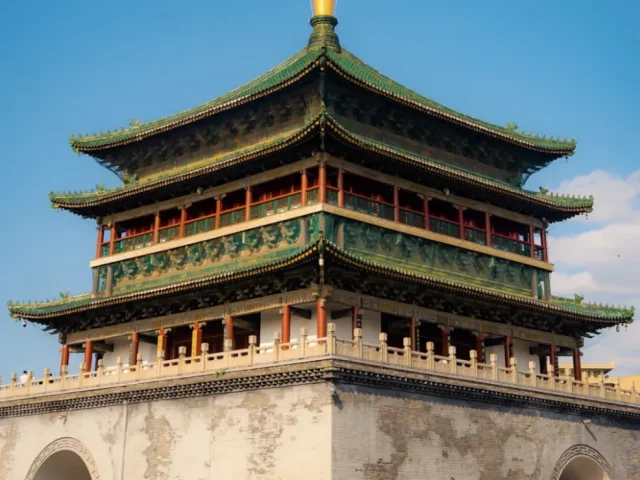
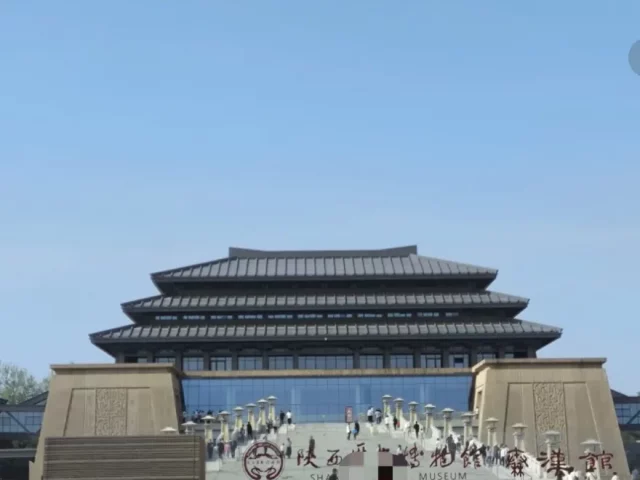
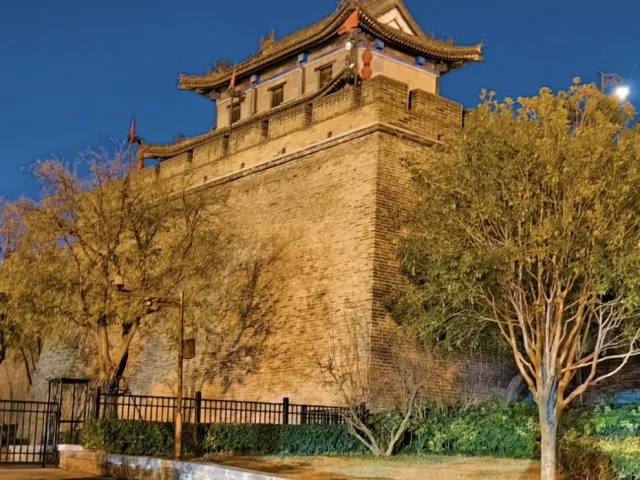
The first time I saw the Xi’an City Wall, I was standing at the exit of Yongningmen metro station, and it simply filled my vision. Thirteen metres of grey brick rising against a brilliant blue sky, a flag snapping on the gate tower above, and a line of tiny figures pedalling along the top like a parade of ants. I had planned to “see the wall” for an hour. I ended up spending the whole afternoon on it, and by sunset I was completely, hopelessly in love with this city.
Xi’an City Wall at a Glance
- Built: Ming Dynasty, 1370-1378 (Hongwu reign)
- Perimeter: approximately 13.7 km (the full circuit)
- Height: about 12 metres; top width 12-14 metres
- Gates: four main gates – South (Yongning), North (Anyuan), East (Changle), West (Anding)
- Ticket: around 54 RMB (verify current price before visiting)
- Hours: roughly 8:00-22:00 (some gates close earlier)
- Metro: Line 2, Yongningmen station (South Gate)
- Recommended time: 2-3 hours cycling, or 3-4 hours on foot + tower visits
Why This Wall Matters: A History You Can Walk On
Xi’an’s wall is one of the oldest, largest and best-preserved city walls in China – and unlike most ancient fortifications, it wasn’t reduced to a museum piece. It is a living part of the city. Locals jog on it before work; couples picnic on it at dusk; children learn to ride bicycles on its wide, flat top.
The wall we see today was built in the early Ming Dynasty, between 1370 and 1378, on the foundations of the Tang Dynasty’s imperial city. When the Hongwu Emperor ordered the city rebuilt, the planners took advantage of the older, already-fortified footprint and raised the walls higher and thicker. The result: a rectangle roughly 13.7 km around, with a deep moat, drawbridges, and an elaborate system of gates and watchtowers designed to hold off sieges that, in the end, never came.
Standing on the wall, you’re literally standing on seven hundred years of layered history – and, beneath that, another seven hundred years of Tang dynasty glory. The city that spreads out from the walls in every direction is the old quarter, still arranged along the same grid the Ming planners laid down.
Cycling the Wall: My Full Circuit
Renting a bicycle costs roughly 45 RMB for three hours – a bargain. I chose a bike with a basket (for my camera and a bottle of water I should have brought more of) and set off from the South Gate, cycling counter-clockwise.
The first thing that strikes you is the sheer width. The wall’s top is wide enough for two cars side by side – in places twelve to fourteen metres across – so cycling feels spacious, not like squeezing along a parapet. To the outside, the moat glints below, ringed by parks where older men fly kites and grandmothers dance to music. To the inside, the old city spreads out in grey tiled roofs, with the golden glow of the Drum Tower and the Bell Tower rising above the rooftops like landmarks on a map.
At the corner towers the wall turns sharply, and the view shifts – suddenly you’re looking down long straight avenues toward the distant mountains. On a clear day you can see the Qinling Mountains to the south, blue-grey humps on the horizon. The gates are the highlights: each one is a small fortress of its own, with a gate tower, a barbican and a drawbridge over the moat, and each has its own character.
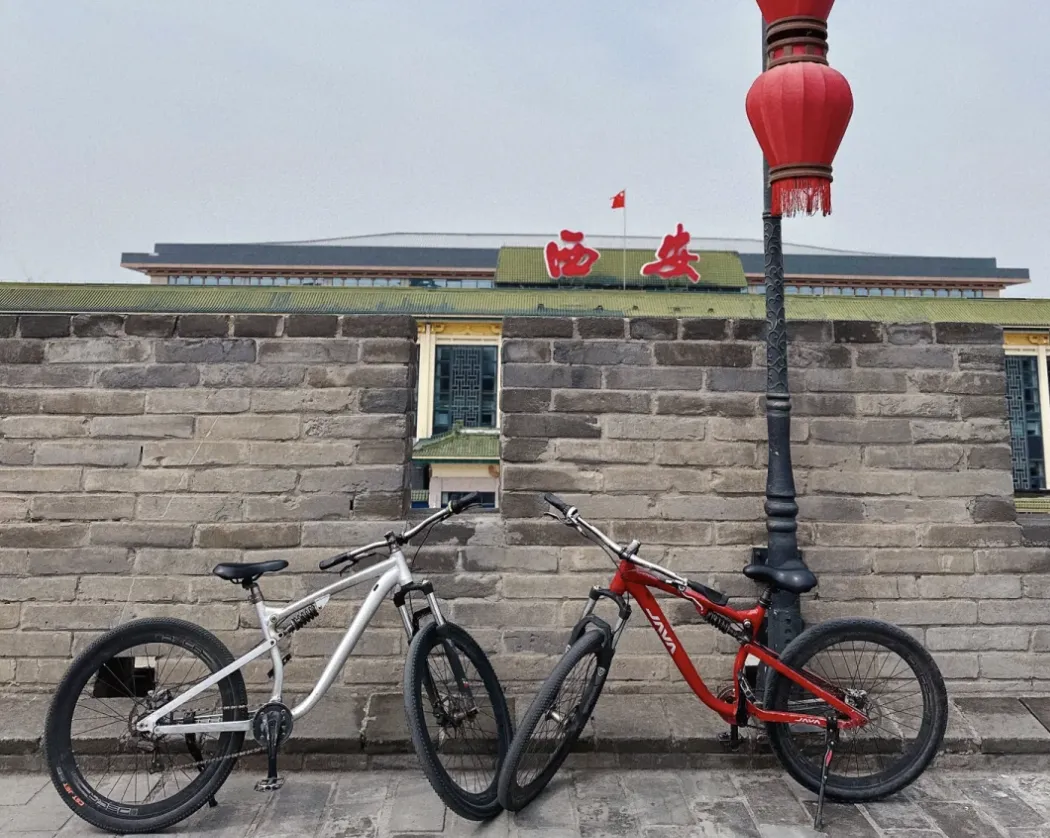
I stopped at the West Gate (Anding Gate) to watch a local man practicing calligraphy with water on the pavement – the characters evaporating as he wrote. At the North Gate (Anyuan Gate) I climbed the tower and looked out over the railway tracks and the modern city beyond. By the time I rolled back to the South Gate, the sun was low and the wall had turned gold.
The Four Gates, Explained
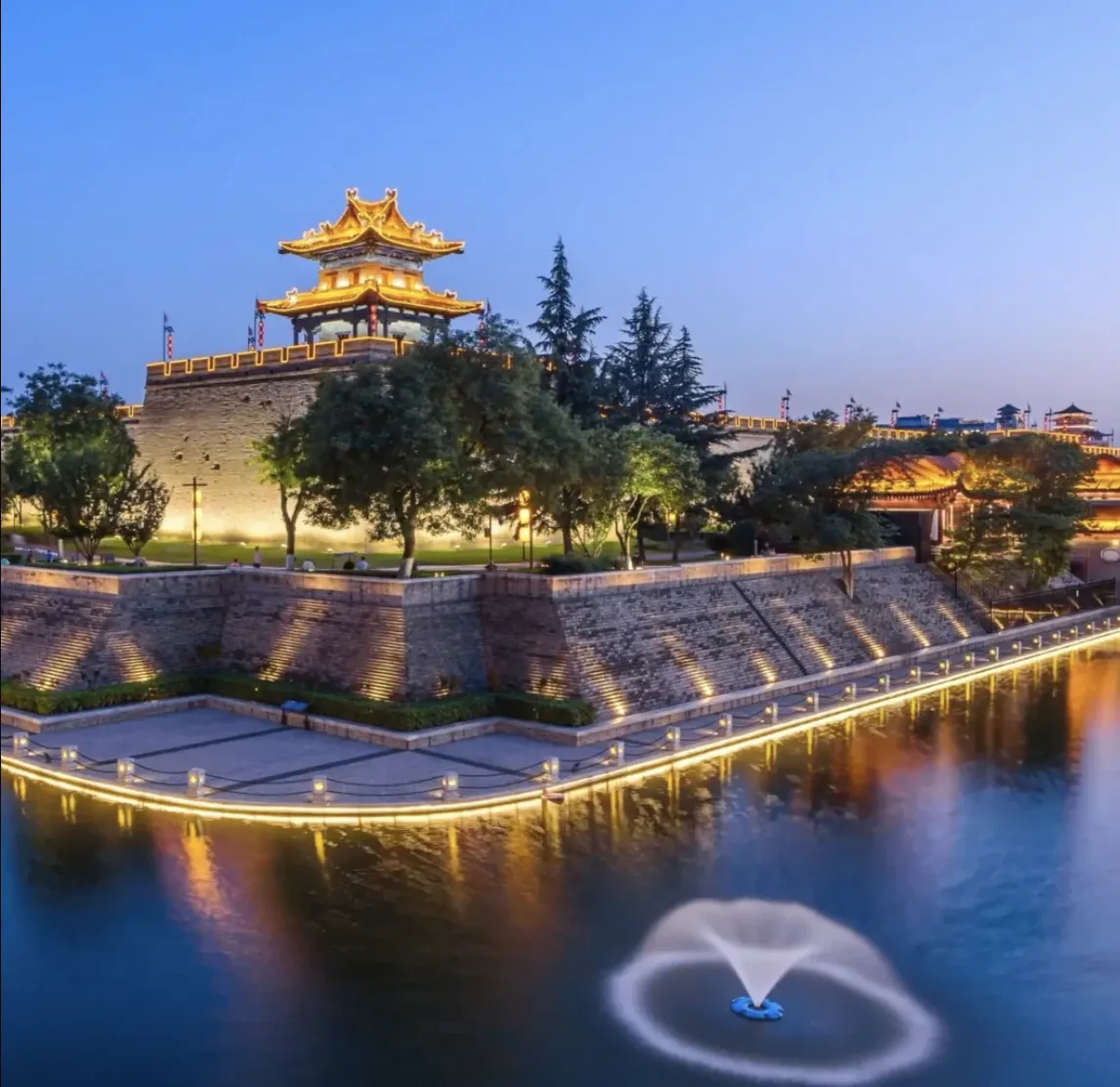
- South Gate – Yongningmen (永宁门): the main entrance and the most photographed. In the evening the gate tower is floodlit, and on many nights there is a grand “admission ceremony” performance with soldiers in Ming armour. The underground passage here is the usual way in.
- West Gate – Andingmen (安定门): quieter, with a beautiful barbican; a good spot for sunrise photographs and fewer crowds.
- East Gate – Changlemen (长乐门): close to the old city’s eastern edge, with views toward the modern business district.
- North Gate – Anyuanmen (安远门): the least visited, great for a quiet afternoon and views over the railway station area.
Practical Guide: Tickets, Hours & Getting Around
Tickets: Around 54 RMB for the wall itself (children, students and seniors often get discounts – carry ID). Some sections and special events may cost extra. Always check the official pricing before your visit, as it changes.
Hours: Generally 8:00 to 22:00, but individual gates may open and close at different times – the South Gate area tends to stay open latest, and some sections close earlier in winter. Night visits are allowed on most of the circuit, and the illuminated wall is spectacular.
Getting there: Metro Line 2 to Yongningmen station (South Gate) is the easiest. From the station it’s a short walk through the underground passage to the ticket office. Taxis from the Bell Tower area are a five-minute ride.
On the wall: You can walk the full circuit (about 3-4 hours with stops), rent a bicycle (around 45 RMB / 3 hours), or take an electric sightseeing car that circles the wall with commentary. Bicycles are single-seaters; there are also tandem bikes and (rarely) child seats.
Best Time to Visit
Late afternoon to sunset is the golden window: the heat drops, the light turns warm, and the city below begins to glitter as the lights come on. Spring (April-May) and autumn (September-October) offer the most comfortable weather and the clearest views of the mountains. In summer, go in the early morning or after 17:00 – midday on the wall is brutally hot with almost no shade. Winter can be cold and windy up top, but the crowds are thin and the snow-covered wall is genuinely magical.
Photography Spots
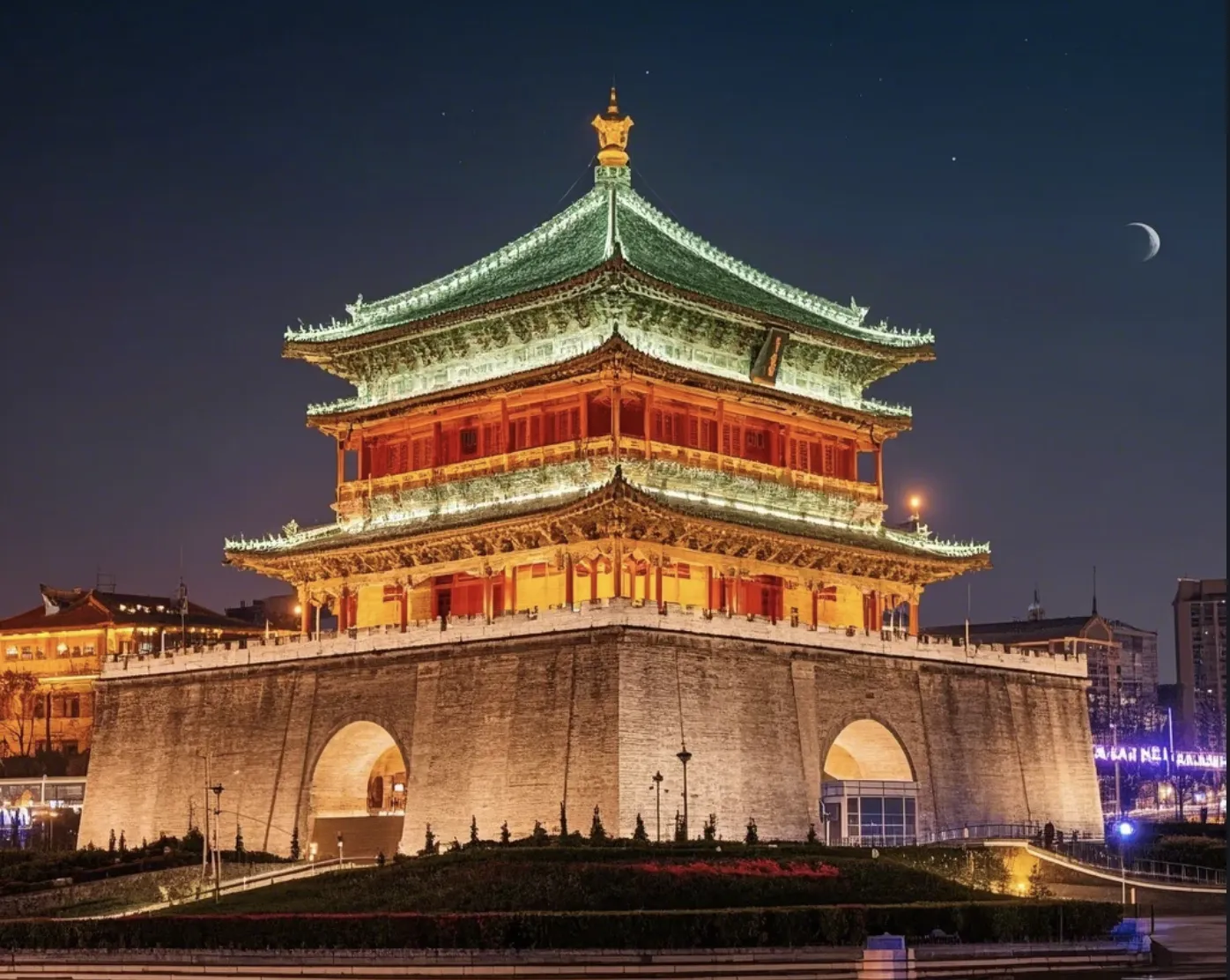
- South Gate at night: the floodlit gate tower reflected in the moat – the classic Xi’an postcard shot.
- Corner towers at golden hour: the double-eaved towers catch the sunset beautifully.
- Looking inward: the view along the wall toward the Bell Tower, with old rooftops in between.
- The moat parks: from the ground looking up, or across the water toward the wall.
Where to Eat Nearby
The wall wraps around the old city, so almost every gate puts you within walking distance of something delicious. The South Gate area has solid local restaurants, while a short walk north from the West Gate brings you to the Muslim Quarter – Xi’an’s most famous food street, where you can fill up on roujiamo, yangrou paomo and grilled skewers. See our full Xi’an Food Guide for details, or read our in-depth articles on roujiamo and yangrou paomo.
How to Combine It With the Rest of Xi’an
The wall is the natural spine of a classic old-city day. Start at the Bell Tower and Drum Tower in the morning, wander the Muslim Quarter for lunch, then take the metro two stops south to Yongningmen and climb the wall for the afternoon and sunset. In the evening, the Big Wild Goose Pagoda’s fountain show and the Datang Everbright City lights are a short metro ride away. See the Xi’an Attractions Guide for suggested itineraries.
Common Mistakes to Avoid
- Not bringing water: the wall has few drink stalls; stock up before climbing.
- Going at midday in summer: no shade on top, and the heat is relentless.
- Assuming all gates are the same: the South Gate is the lively main entrance; the others are quieter and worth a visit.
- Renting a bike if you hate cycling: the full circuit is 13.7 km – the electric car is a comfortable alternative.
- Forgetting your passport/ID: needed for ticket discounts and sometimes for entry verification.
Frequently Asked Questions
How much does the Xi’an City Wall ticket cost? Around 54 RMB for adults, with discounts for students and seniors. Prices are subject to change – check the official channels before visiting.
How long does it take to cycle the wall? The full circuit is about 13.7 km; most people take 2 to 3 hours with photo stops. Walking takes 3 to 4 hours.
Which gate should I enter from? The South Gate (Yongningmen) is the most convenient, right on Metro Line 2 with the main ticket office.
Can I visit at night? Yes – most of the wall is open until around 22:00, and the illuminated walls and gates are stunning after dark.
Is the wall wheelchair/pram friendly? The ramps at the South Gate help, but the stair towers can be challenging; the electric sightseeing car is the easiest option.
My Verdict
Every city has its monuments, but few let you physically walk the line between ancient and modern the way Xi’an’s wall does. It isn’t just something to look at – it’s something to do, to ride, to watch the sunset from. Give it an afternoon. You won’t regret a single pedal stroke.