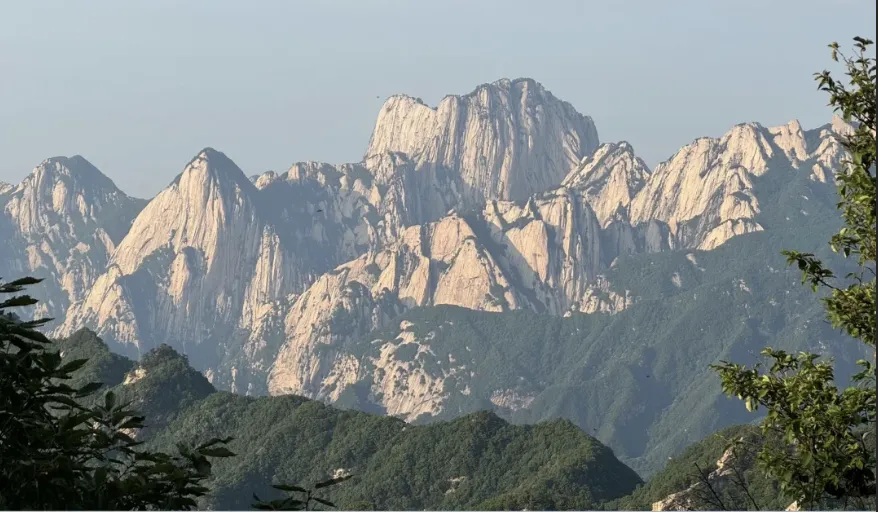
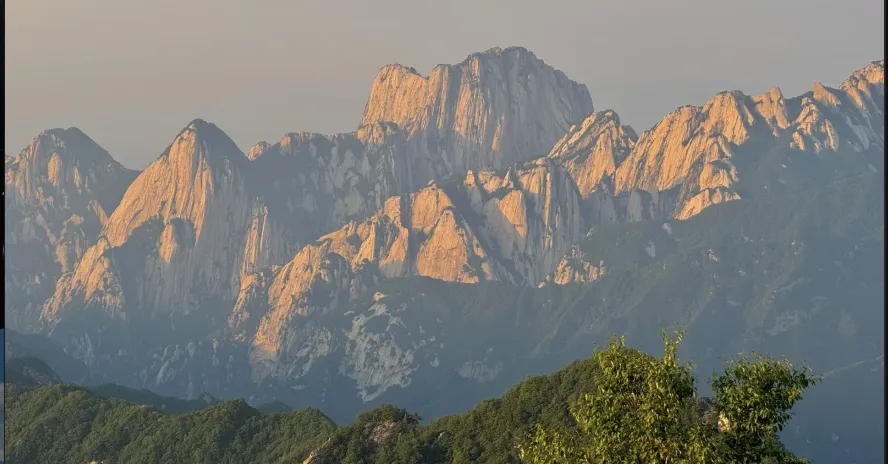
The last thing you hear before the stair lights switch off on Huashan is your own breathing. I climbed at night, as people have done for a century: headlamp on, hands on the rail, the dark mountain opening step by step. At 04:30 the sky over the East Peak went grey, then gold, and the whole ridge of the Qinling lit up under me. I’d come to Xi’an for the city and stayed for the mountains, and that sunrise is the reason.
This route is for people who want that version of Xi’an. It’s built around three kinds of walking: the big mountain day on Huashan, the shorter Qinling hikes an hour from town, and the City Wall, which is its own sort of trail. None of it requires being an athlete — just a working pair of knees and a willingness to start early.
Why Xi’an Is a Hiking Base
The city sits on a plain with mountains on two sides, which is why it keeps hiking well below its reputation. To the east, Huashan rises out of the flat farmland — one of the five sacred Taoist mountains, and the most sheer of them all. To the south, the Qinling range forms a wall you can see from the city on clear days, with a handful of day-hike trails a bus ride away. And the City Wall, 13.7 kilometers of it, is an urban hike that needs no planning at all. On most days the air is dry and the altitude is low; the seasons are forgiving from March to November.
Mount Huashan — the Big One
Huashan is not a mountain you walk up casually; it’s the mountain you take seriously. Entry is about ¥160, and the cableways are priced separately — about ¥140 one-way on the West Peak line, about ¥80 on the North Peak line. The summit area links five peaks: West, South, East, Middle, and North, connected by ridgelines and stairways cut into the cliffs. The famous Changkong plank walk hangs off the South Peak — a foot-wide ledge with a chain rail and a harness — and it’s as terrifying and as wonderful as the videos suggest.
The Classic Huashan Circuit
The sensible one-day loop: cable up the West Peak line, walk the ridge to South Peak (plank walk), across to East Peak, down through Middle Peak, and cable down the North Peak line. It’s about four hours of walking, mostly downhill after the first hour, and it’s the route I’d give anyone with one day. The reverse — North up, West down — works too and saves the plank walk for a fresher pair of legs. Both directions run through the same stairways, so pace yourself and let the crowds thin; most people finish by 15:00.
Hiking at Night for Sunrise
The classic version is a night climb. The mountain is legally open after dark — people have done it for generations — and the stairs from Yuquanyuan at the base run roughly 7,000 steps to North Peak. Start between 21:00 and 23:00, walk through the cool night with the headlamps of strangers strung out above and below you, and arrive at East Peak in time for sunrise, which in spring runs about 05:30 and in winter closer to 07:00. Rent a puffer jacket at the base if you don’t have one; the summit is cold at 2,154 meters even in summer. Take the cableway down afterward — you will not want to walk those stairs in daylight and full heat.
The practical version: an afternoon train from Xi’an North reaches Huashan North in about 30 minutes (about ¥55), and the shuttle from the station to the trailhead is a few stops. If the weather is bad, don’t. The mountain closes sections in heavy rain and snow, and no sunrise is worth that ridge in a storm.
Qinling Day Hikes
The Qinling range, an hour’s drive south of the city, has a handful of proper trails that work as day trips. Cuihua Mountain is the easiest — a collapsed summit that left a chain of lakes, with a cable car for the lazy and a real trail for everyone else; entry is about ¥70 plus a shuttle. Nanwutai, its neighbor, is a ridge of five terraces with temple ruins and views back over the whole plain, about ¥50 plus shuttle; the climb from the shuttle drop is maybe two hours. Taiping National Forest Park, a bit farther, is the waterfall hike, about ¥70, best after rain.
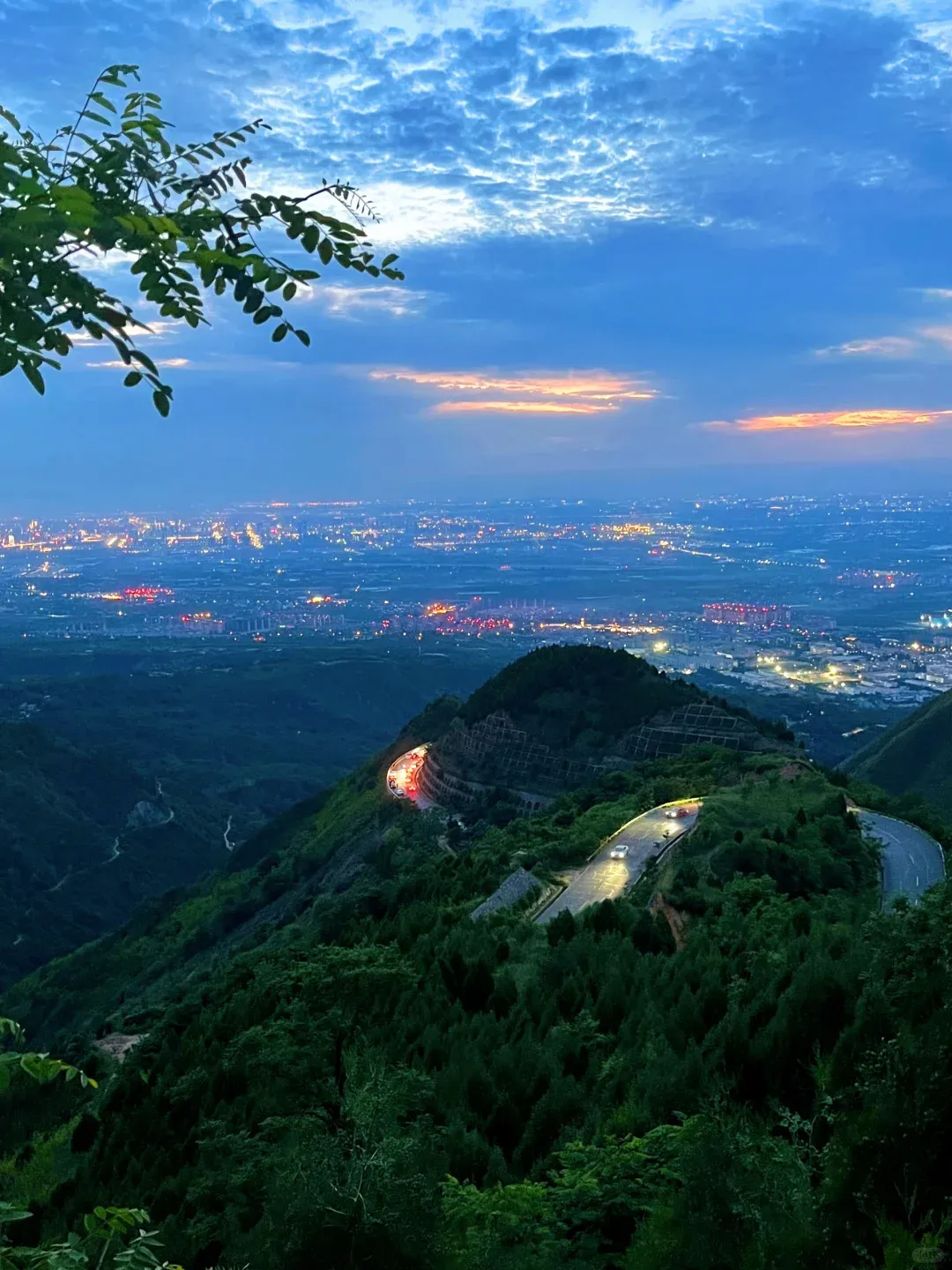
These trails get their life on weekends, when half of Xi’an goes walking — which is great for safety and noodles at the trailhead, and less great for solitude. Go on a weekday if you can, or go early. None of the three needs a guide, a permit, or any gear beyond decent shoes and water.
The City Wall as an Urban Hike
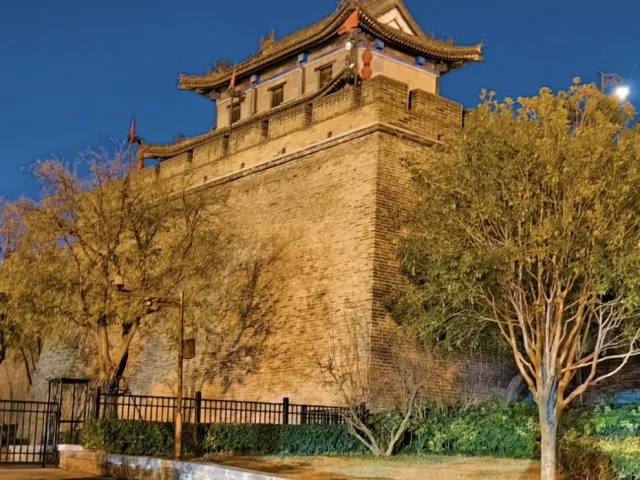
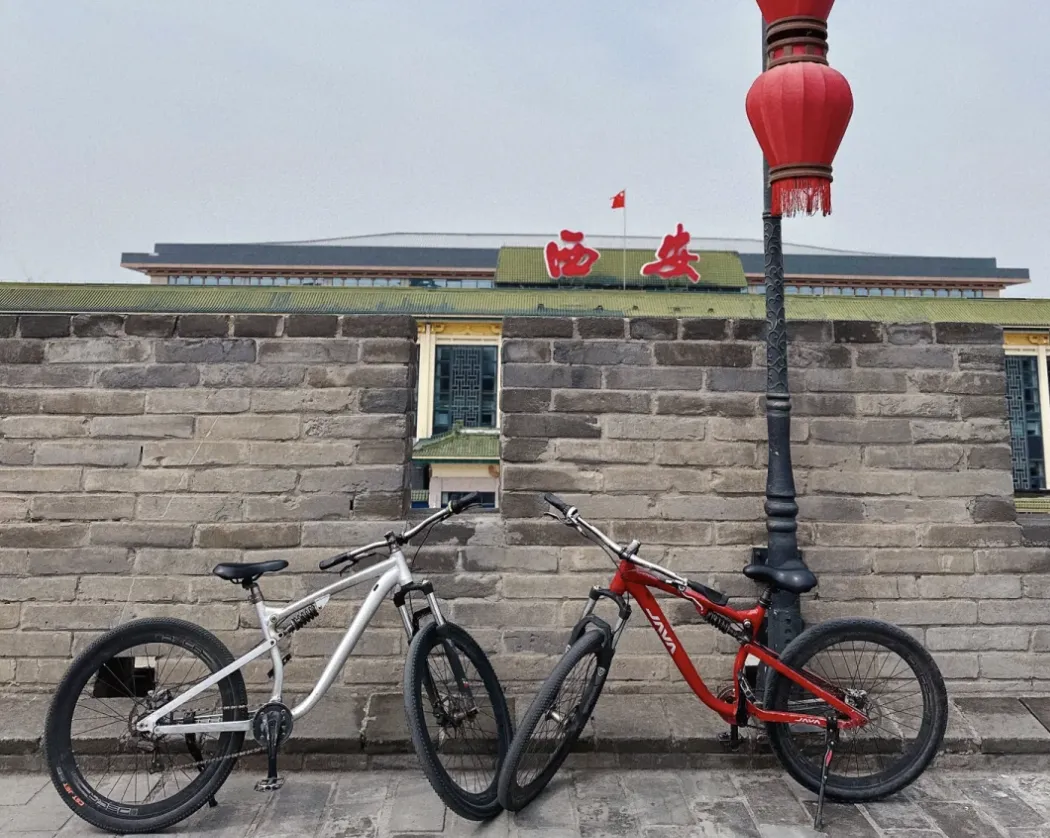
Don’t skip the wall because it’s flat. Thirteen and a half kilometers of ramparts around the old city, about ¥54, with four main gates — Yongning (South), Anding (West), Anyuan (North), Changle (East) — and rented bikes for about ¥45 if your legs are saved for Huashan. Walking the full loop takes three to four hours; the best section is the west stretch from Yongning to Anding, which catches the sunset and runs above the Muslim Quarter rooftops. At night the wall glows warm, and the walk is quieter than any bike ride. It’s the only “hike” in this guide you can do in sandals, but don’t.
What to Pack
- Layers, always — the wall is windy, Huashan is cold at the top, and the Qinling trails start hot and finish cool
- A headlamp with fresh batteries for the night climb
- Fingerless gloves for the plank walk and the chains — the metal is cold early
- Two liters of water and something sweet for Huashan; the summit stalls double the price
- Your passport, for every ticket gate
- Leave the drone at home; it’s not allowed on the mountain, and the fines aren’t worth the shot
Practical Details
- Huashan: entry about ¥160; West cableway about ¥140 one-way; North cableway about ¥80 one-way; shuttles about ¥20–40
- Train: Xi’an North to Huashan North, about 30 minutes, about ¥55
- Cuihua Mountain: about ¥70 plus shuttle; Nanwutai: about ¥50 plus shuttle; Taiping Forest Park: about ¥70
- City Wall: about ¥54; bike about ¥45 for three hours
- Season: March–May and September–November are the windows; snow closes Huashan’s upper loop in winter
- Busy days: weekends, Golden Week (Oct 1–7), and Qingming fill both cableways — queue times of two hours are normal
Tips
- Book Huashan tickets and the cableways online with your passport before you board the train; the window at the base moves slowly.
- Do the plank walk in the morning, before the queue forms and the wind picks up.
- Night climb, not dawn climb: leaving the hostel at 03:00 means hitting the stairs in full darkness and paying for it twice.
- Eat at the base before you go up. The food at the summit is edible but sad, and priced accordingly.
- Check the summit weather before you commit; the mountain has its own forecast, and it’s usually right.
- If you’re only doing one hike, make it Huashan’s West-to-North loop — the plank walk alone is worth the ticket.
I took the night train back to the city with two hours of sleep and a phone full of sunrise photos, and somewhere around Xi’an North I decided the whole trip was worth it for that morning alone. The city still had its museums and its food to offer, but the mountains are why I’d come back. Start early, pack light, and let the stairs do the talking.