My first mistake in Xi’an was arriving with an itinerary built for a city twice its size. I’d booked every morning, double-scheduled two evenings, and planned a day trip for the morning after a red-eye. By the time I bought a second ticket to the Terracotta Army because I’d rushed the first visit in forty minutes, I’d learned the lesson: Xi’an punishes pace.
The fix was easy, and it’s what this article is about. I gave myself six days, threw away the checklist, and let the city set the rhythm. An evening on the wall with no dinner plan, a long morning working through a bowl of lamb paomo, an afternoon in the shade of the Small Wild Goose Pagoda — those unhurried hours were where Xi’an actually showed itself.
This is the route I ended up walking, in the order I walked it. It is not the fastest way to see the city, and it’s not trying to be.
The Route at a Glance
- Day 1 — City Wall and the old city
- Day 2 — Terracotta Army and Huaqing Palace
- Day 3 — Shaanxi History Museum, Big Wild Goose Pagoda, Datang Everbright City
- Day 4 — Famen Temple, or a deliberately empty day
- Day 5 — Mount Huashan, or another deliberately empty day
- Day 6 — Small Wild Goose Pagoda and a slow exit
Day 1 — The Wall and the Old City
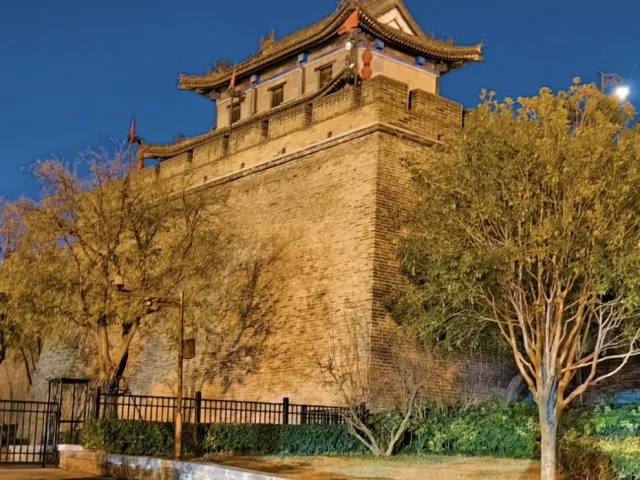
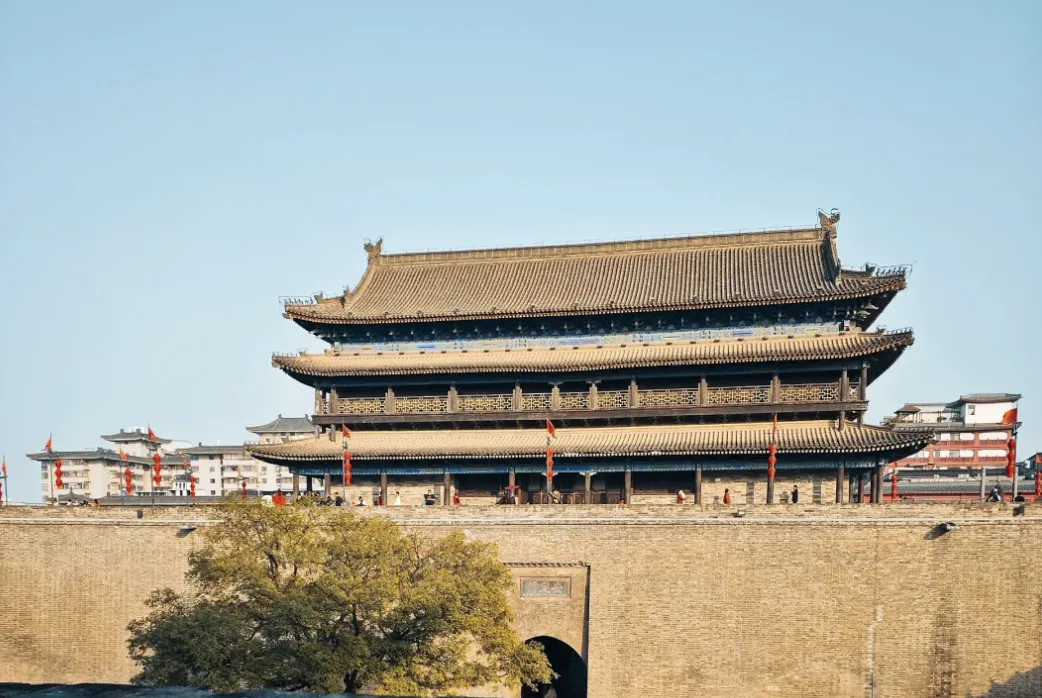
I stayed two minutes from Yongning Gate, the South Gate, and climbed the wall in the late afternoon, when the light goes soft and the kites come out. Entry is about ¥54, and the ramp is gentle enough that you can walk west toward Anding Gate without hurrying; the same stretch takes about 45 minutes on foot or twenty by rented bicycle, which runs about ¥45 for three hours.
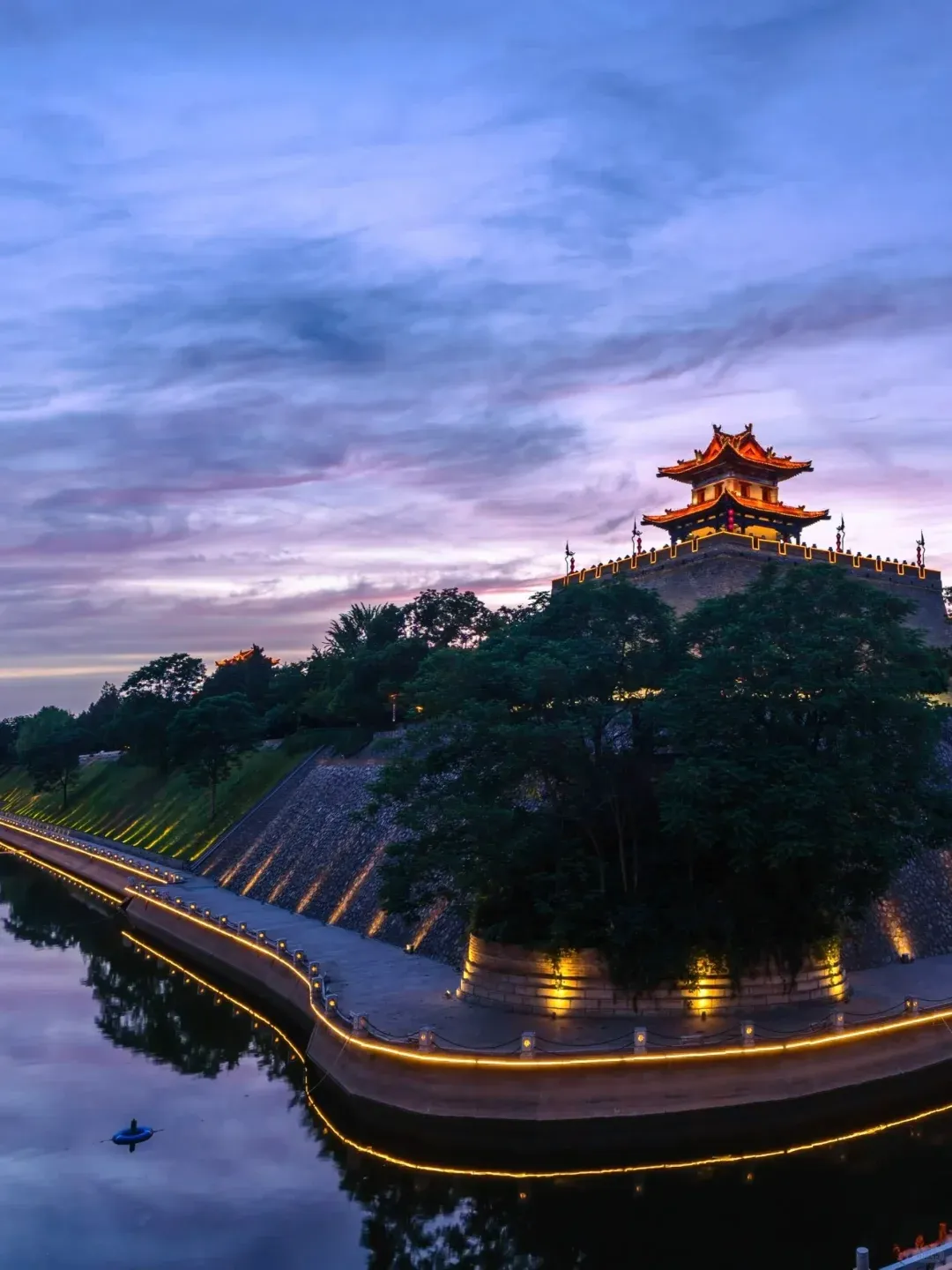
When the sun dropped, I came down into the Muslim Quarter through Beiyuanmen. My first bowl of yangroupaomo cost about ¥35, and yes, you are expected to tear the flatbread into crumbs yourself before the kitchen takes it back — that’s part of the ritual, not a side activity. A cold bottle of Bingfeng, the local orange soda, costs about ¥4 and pairs with everything.
Day 2 — The East Line
Take Metro Line 9 from the city to Huaqingchi station, then a five-minute taxi or local bus to the Terracotta Army gate. The alternative is the direct tourist bus 306 from outside Xi’an Railway Station, about ¥10, which drops you at the door — slower, but you don’t change lines. Entry is about ¥120, and the site is open from 08:30 to 17:30 most of the year.
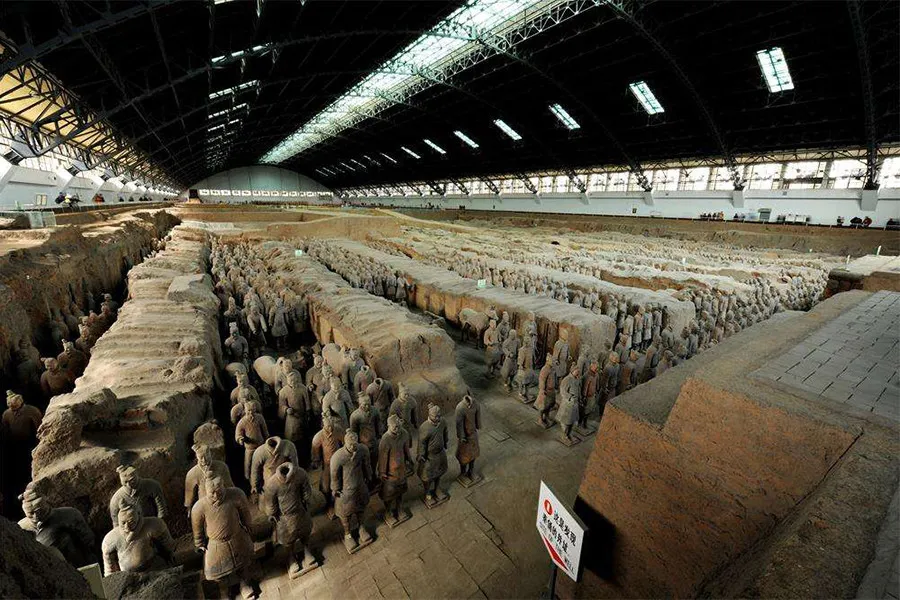
Go into Pit 1 first and take a moment at the back corners, where the crowds thin and the ranks of soldiers run toward the far wall. The mound of Qin Shi Huang’s mausoleum, a twenty-minute shuttle ride away, is included in the same ticket, and a surprising number of visitors skip it. Don’t.
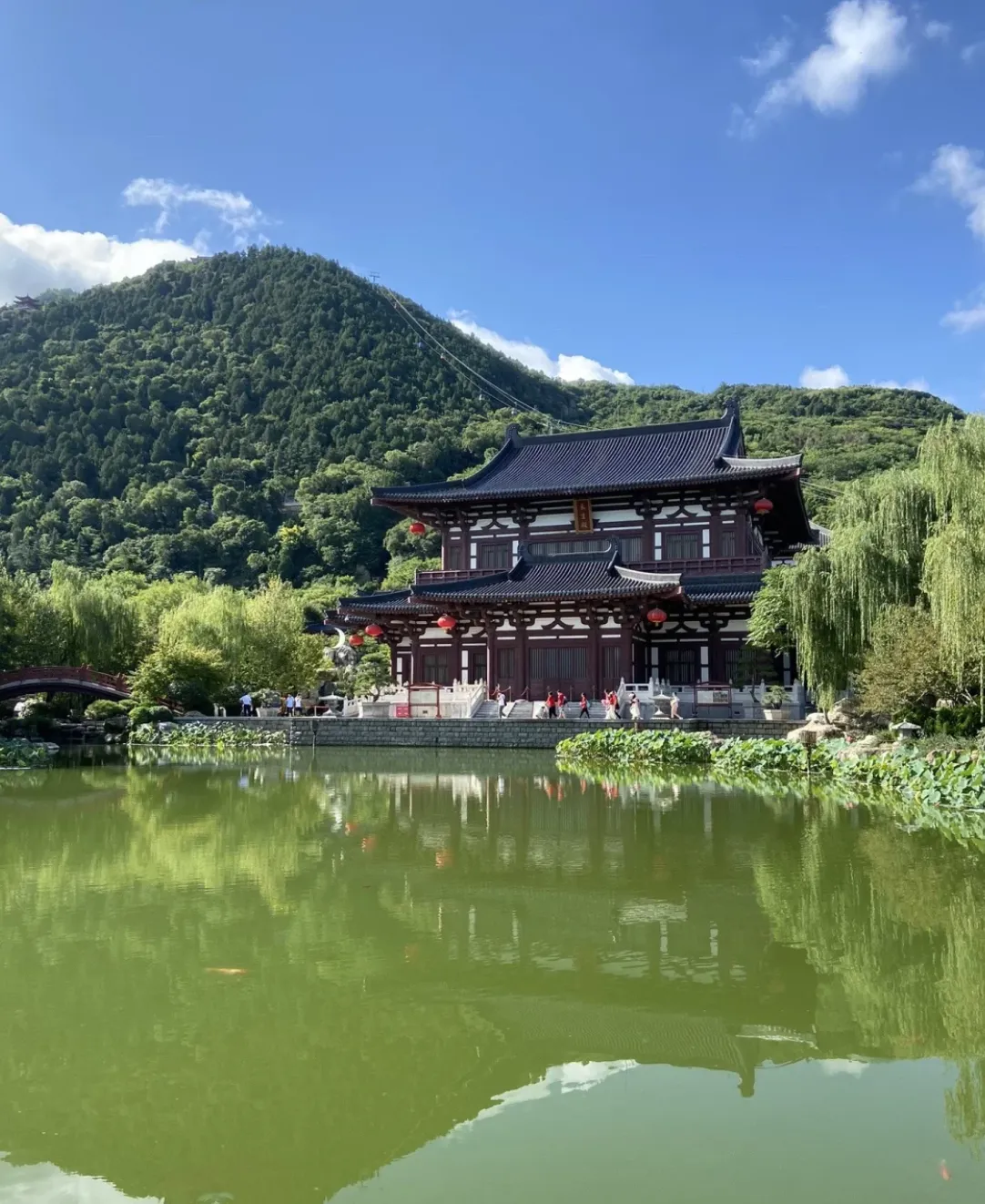
In the afternoon, Huaqing Palace is a short bus ride back down the line. Entry is about ¥120, and the grounds stay open until around 18:00. The hot springs, the Tang Dynasty pavilions, and the low foothills of Lishan make it a gentle counterpoint to the pits. From April through October, the lakeside performance Song of Everlasting Sorrow runs at night, with tickets from about ¥260.
Day 3 — Tang-Era Xi’an
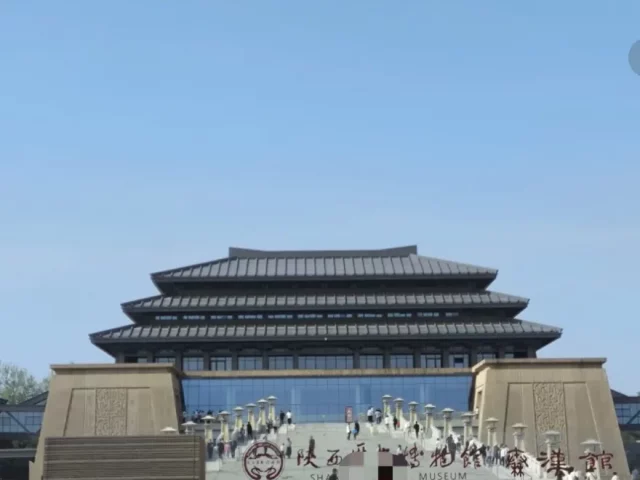
Book the Shaanxi History Museum before anything else — the basic galleries are free, but reservations go fast and you’ll need your passport to collect the ticket. Get off at Xiaozhai on Line 2 or 3 and walk north. Two hours inside is the minimum; the bronze gallery and the Tang pottery alone are worth the trip.
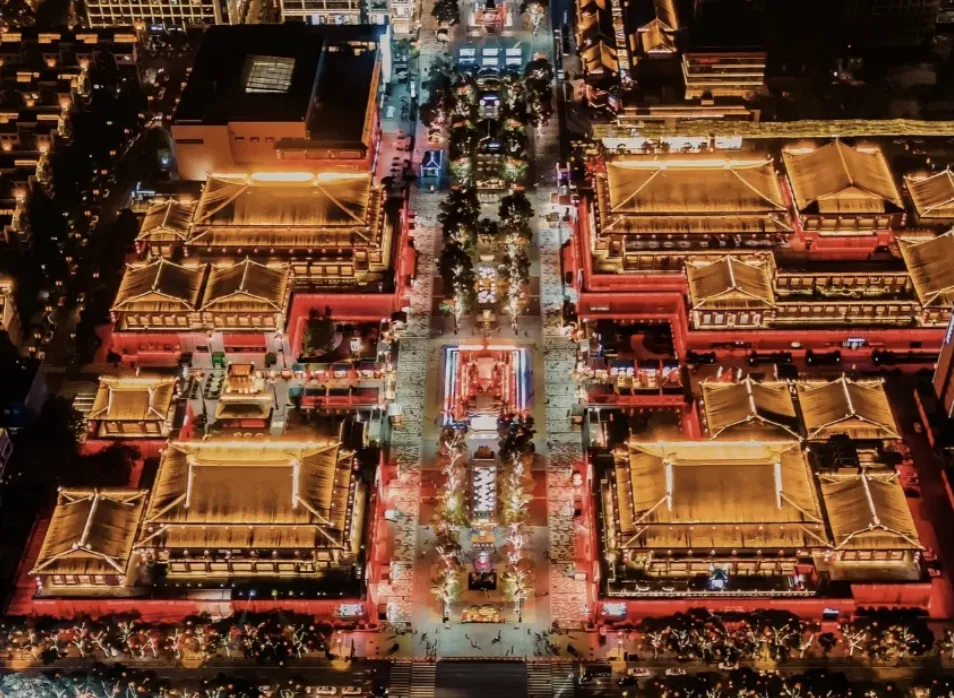
After lunch, the Big Wild Goose Pagoda. The Daci’en Temple grounds cost about ¥50, plus about ¥30 to climb the pagoda itself. Climb it once — the view north over the old city is why people bother — then come down to the North Square, where the music fountain runs most evenings around 19:00 and 21:00. When the lights come on, Datang Everbright City, the free pedestrian street south of the pagoda, fills with Tang-era costumes, street performers, and more hot snacks than you can manage in one visit.
Day 4 — Famen Temple, or Nothing at All
Famen Temple sits about 90 minutes west of the city, and it rewards a slow day. Entry is about ¥100. The pagoda complex holds a finger bone said to be a relic of the Buddha, brought out for display on specific dates, and the modern hall that houses it is a strange, grand piece of 1980s architecture. If relics aren’t your thing, stay in town: the Beilin Museum — the Forest of Stone Steles, about ¥70 — or a long lunch on Sajinqiao. Both are legitimate, and the point of six days is that you’re allowed to choose.
Day 5 — Huashan on Your Own Terms
Some people summit Huashan in six hours. I took eight, and only because I rode both cableways. G-series trains from Xi’an North station reach Huashan North in about 30 minutes for about ¥55; the mountain entry is about ¥160, with the cableways priced separately — about ¥140 one-way on the West Peak line, about ¥80 on the North Peak line. If your knees are tired and the forecast is grey, staying in the city is a perfectly good day. That is the whole thesis of this article.
Day 6 — The Slow Exit
The Xi’an Museum, in the grounds of the Small Wild Goose Pagoda, is free with your passport, open 09:00 to 17:00 and closed Mondays, and far quieter than its big brother. Then a last steamer of soup dumplings — about ¥15 in the Muslim Quarter — and a slow walk down Beiyuanmen for souvenirs. Xi’an Xianyang International Airport is about 40 minutes away on Metro Line 14 from Xi’an North station, which beats any taxi in the city.
Practical Details & Where to Stay
- City Wall: about ¥54; bicycle about ¥45 for three hours; South and North gates open until 22:00
- Terracotta Army: about ¥120, 08:30–17:30, includes the mausoleum shuttle
- Huaqing Palace: about ¥120, open to around 18:00
- Famen Temple: about ¥100
- Shaanxi History Museum: free basic galleries with advance reservation; passport required
- Big Wild Goose Pagoda: about ¥50 for the temple, about ¥30 to climb
- Metro fares run about ¥2–8 per ride; Line 14 connects Xi’an North to the airport
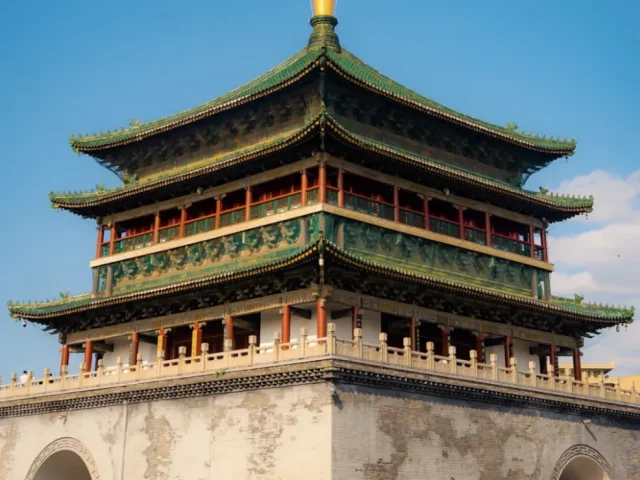
The Muslim Quarter gets you atmosphere and breakfast; the Bell Tower area gets you every metro line you’ll use; the South Gate gets you the wall. Dorm beds run from about ¥70 a night, mid-range doubles from about ¥250. For six days, I’d pay the difference for the South Gate — you’ll be out the door and up the ramp before the tour groups arrive.
Tips
- Book the Terracotta Army and the museum before you land; both take passport details, and National Day week (Oct 1–7) sells out.
- Do the east-line day second, not last — the early start is easier when you’re still adjusting to the time zone.
- Tear your paomo bread yourself instead of ordering it pre-cut. Small gesture, but the kitchen staff will approve.
- Carry your passport everywhere; every ticket counter wants to see it.
- WeChat Pay and Alipay work nearly everywhere; bank cards work at hotels and bigger restaurants, and that’s about it.
- The wall is best twice: once by day for the bike ride, once after dark from the South Gate plaza, where the whole circuit glows.
By day five I stopped checking my list, and that’s when the trip found its stride. Six days is enough to see the famous things, eat the famous food, and still have the empty afternoon where a city stops being a checklist and becomes a place.