The woman at the hostel desk in Xi’an looked at my notebook — I still travel with one — and laughed. I’d written out every cost I could find: dorms, metro fares, how much a roujiamo should cost, whether the wall was worth ¥54. She flipped to a fresh page and wrote down four things: Sajinqiao for food, Line 2 for everything, the museum reservation link, and the words “don’t skip the warriors.” Then she slid it back and said, “You’ll be fine.”
She was right, and the route below is that notebook page, expanded. Five days, roughly ¥1,100 all-in before you get to the city — no hostels traded for benches, no noodles-only diet, and no skipping the Terracotta Army. Xi’an is one of the cheapest big cities in China to travel well in, if you know where the money actually goes.
How Far a Yuan Goes
The gap between tourist-Xi’an prices and local prices is wider here than in most Chinese cities, mostly because the tourist zone is one small neighborhood. Step outside the Beiyuanmen strip and prices drop by a third. A bowl of liangpi that costs ¥15 on the main drag is ¥8 two streets away. A dorm bed near the Bell Tower runs ¥60–90 a night; a metro ride across town is ¥2–8. The expensive days are the ones with a ticket in them — everything else is cheap.
Where to Sleep for Less
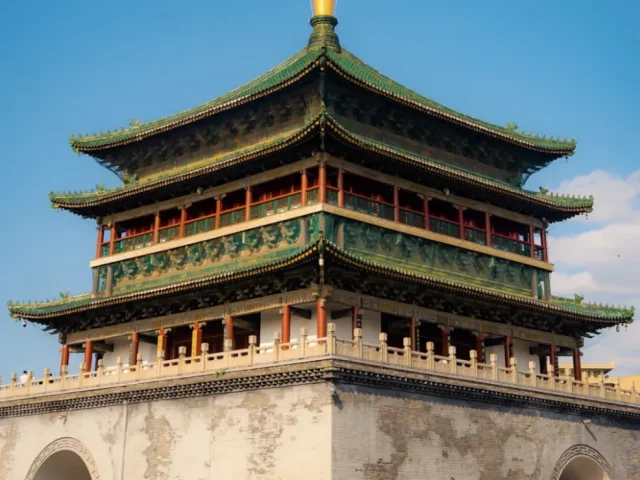
Concentrate on the triangle between the Bell Tower, the South Gate, and the Muslim Quarter. Hostel dorms run about ¥60–90; capsule hotels (the Japanese-style pods, which China does well) are ¥80–120 with better privacy; a no-frills double with a private bathroom starts around ¥150–200. The Muslim Quarter dorms put you inside the food, which is worth more than the noise costs you. Book ahead on weekend nights — Xi’an is a domestic tourism magnet and cheap beds vanish.
Eating Well on the Cheap
Street food is the backbone of the budget here, and it’s good enough that you won’t feel deprived:
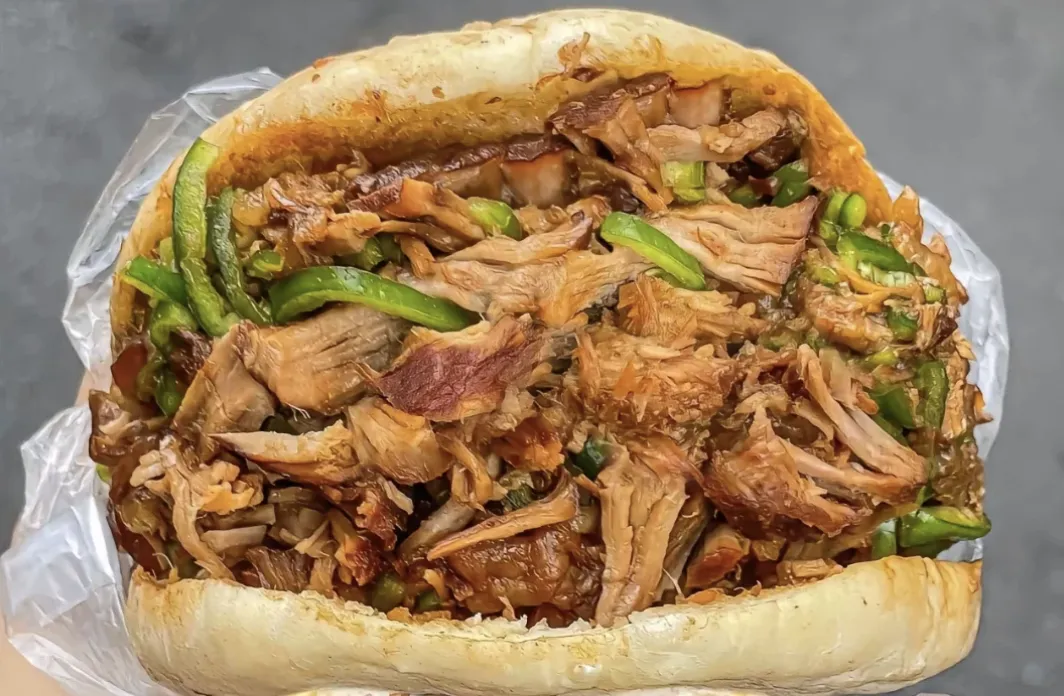
- Roujiamo, the “Chinese hamburger”: about ¥8–12
- Liangpi (cold noodles): about ¥8–10
- Biangbiang noodles: about ¥15–20
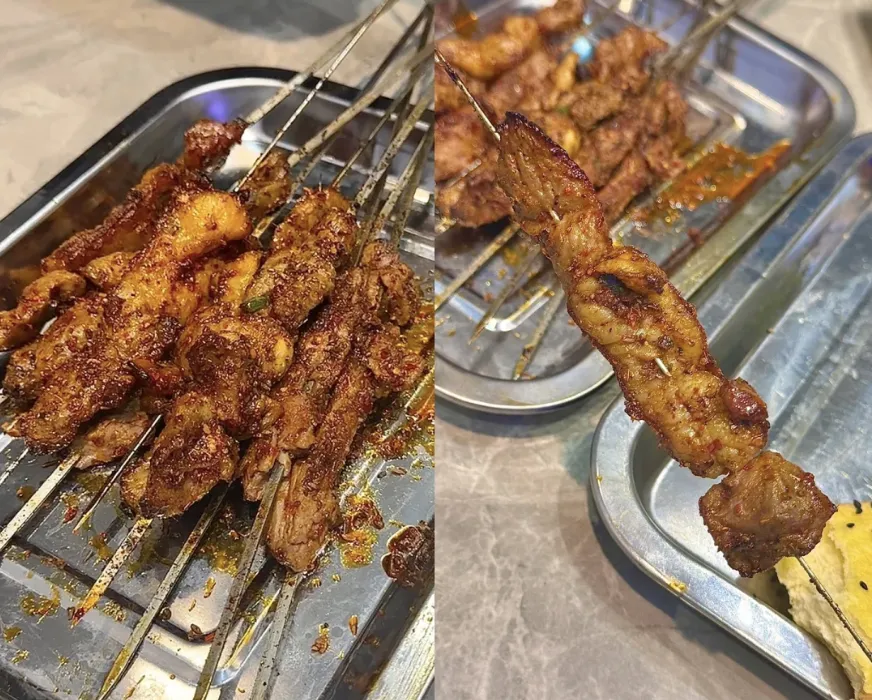
- Lamb skewers: about ¥2–3 each, and you’ll want eight
- Soup dumplings: about ¥12–15 a steamer
- Yangroupaomo, the splurge bowl: about ¥30–35
- Bingfeng orange soda: about ¥4; suanmeitang: about ¥5
Eat on Sajinqiao and Dapiyuan rather than the tourist drag of Beiyuanmen — same dishes, half the price, tables full of locals. Yongxingfang, the food street near Zhongshan Gate, has free entry and a better spread of Shaanxi snacks than anywhere else in the city, even if it’s rebuilt. Figure ¥60–80 a day for food and you’ll be eating very well.
The Free List
Some of the best things in Xi’an cost nothing, and this route leans on them hard:
- Datang Everbright City — the whole pedestrian street, the lanterns, the costumes: free
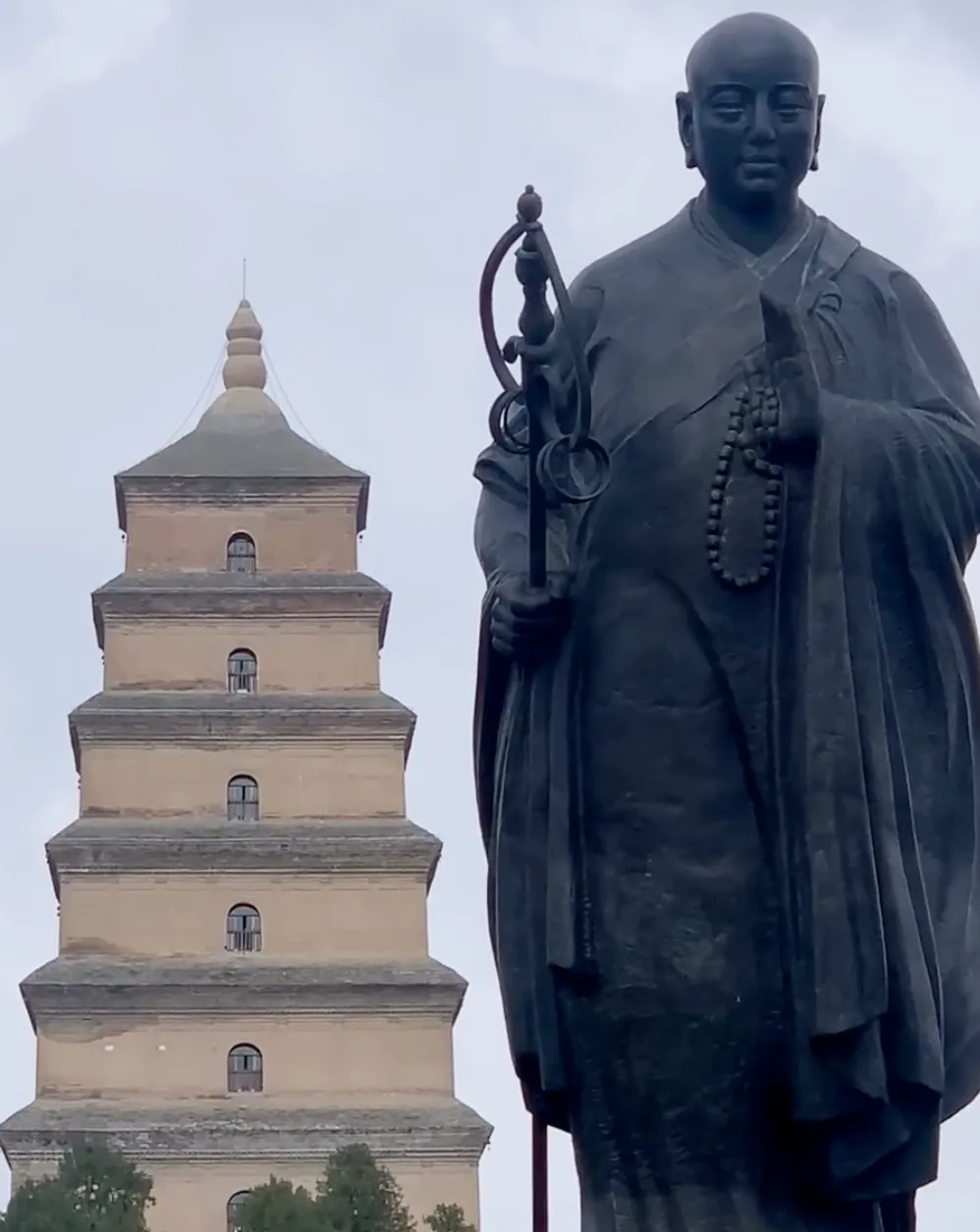
- Big Wild Goose Pagoda North Square — the music fountain, most evenings at 19:00 and 21:00: free
- Xi’an Museum at the Small Wild Goose Pagoda — free with your passport, 09:00–17:00, closed Mondays
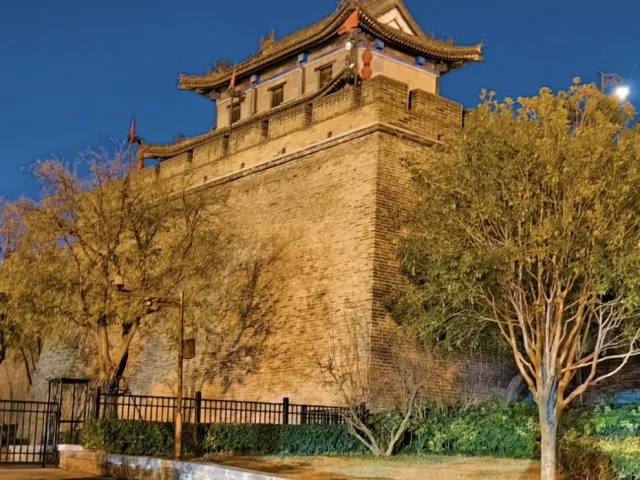
- The City Wall from ground level — the South Gate plaza at night, when the wall glows: free
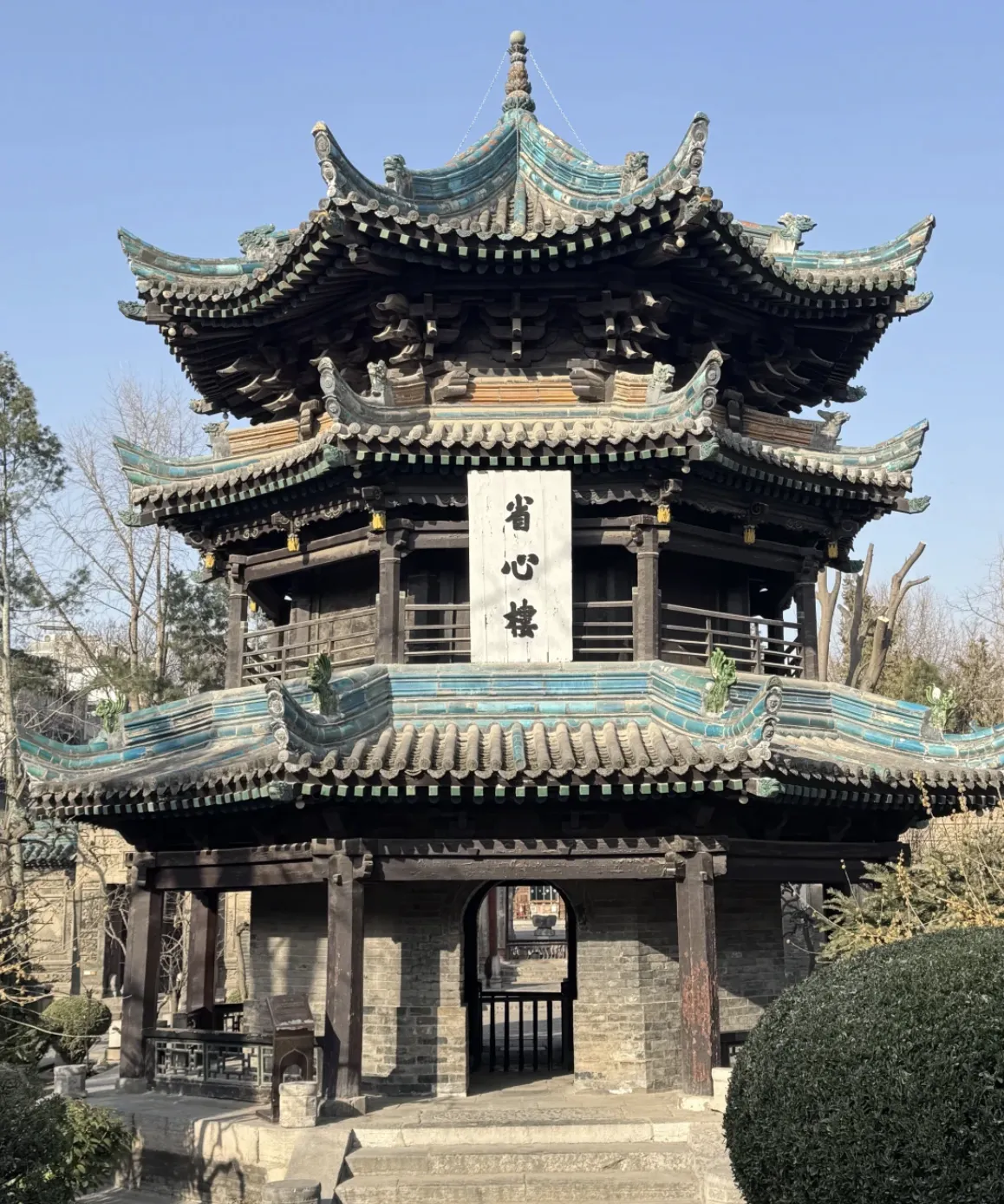
- The Great Mosque off Huajue Lane — about ¥25, the cheapest ticket that’s still a real museum of a place
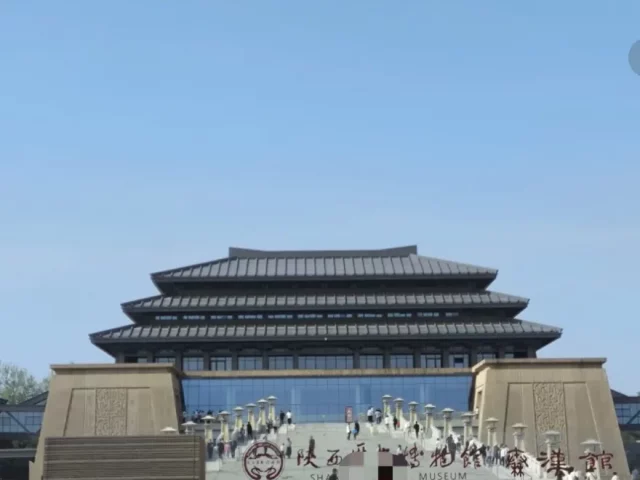
- Shaanxi History Museum — the basic galleries are free with a reservation; if slots are gone, the Treasure of the Great Tang special gallery is about ¥30 and usually easier to get
Where the Money Is Worth Spending
Two tickets justify themselves, and everything else on the paid list is optional. The Terracotta Army, about ¥120, is the best-value ticket in China — three hours, one of the great sights of the world, and the mausoleum mound is included. The City Wall, about ¥54 (bike about ¥45), is the second. Everything else on this route is free or street-priced.
What you can skip without guilt: Huashan, which with entry and cableways runs toward ¥400 and will eat a whole day; the Song of Everlasting Sorrow lakeside show at Huaqing Palace, from about ¥260; and Tang Paradise, the paid park next to Datang Everbright City, when the free street does the same job.
Getting Around Without Spending Much
The metro is your friend: Lines 2, 3, 4, 6, and 9 cover every sight on this route, and the longest ride runs about ¥8. City buses are ¥1–2 and go everywhere else. The tourist bus 306 from outside Xi’an Railway Station gets you to the Terracotta Army for about ¥10. Shared bikes are about ¥2 a half hour, and the stretch from the South Gate around the wall is flat, safe, and better than any tour. Don’t take taxis for the east line — a cab to the Terracotta Army is ¥150+ and no faster than the metro.
A Sample Five-Day Budget
- Dorm bed, five nights: about ¥350
- Food: about ¥70 a day, five days: about ¥350
- Metro, buses, shared bikes: about ¥100
- Terracotta Army: about ¥120
- City Wall with bike: about ¥100
- Great Mosque and a museum special gallery: about ¥55
- Tea, snacks, laundry, the odd mistake: about ¥150
Roughly ¥1,100 for five days inside the city — under $160 as of 2026 — before the train or flight that gets you there. Add a hostel breakfast and a nicer dinner or two and you’ll still clear ¥1,300.
Tips
- Set up Alipay or WeChat Pay before you arrive — street stalls, bus cards, and the metro all take them, and cash is getting rarer.
- Reserve the Shaanxi History Museum the day its window opens; free tickets go first, and the ¥30 special gallery is the fallback.
- Split dishes. Everything is shareable, and the food crawl works better with two people and six stalls than one person and three.
- Carry your passport every day — the museum, the hostel, and the Terracotta Army all want it.
- Buy the wall bike and the Terracotta ticket on the official mini-programs, not from the touts outside the gates, who add a markup.
- If the hostel is full, try the capsule hotels near the Bell Tower before you jump to a hotel — they’re usually cheaper and quieter than a shared dorm.
I ran out of notebook pages on day four, which felt like the budget working as intended. Xi’an isn’t a city you have to save up for; it’s a city that lets you spend on exactly two things — the warriors and the wall — and keeps everything else honest and cheap. The hostel woman was right: I was fine. So will you be.