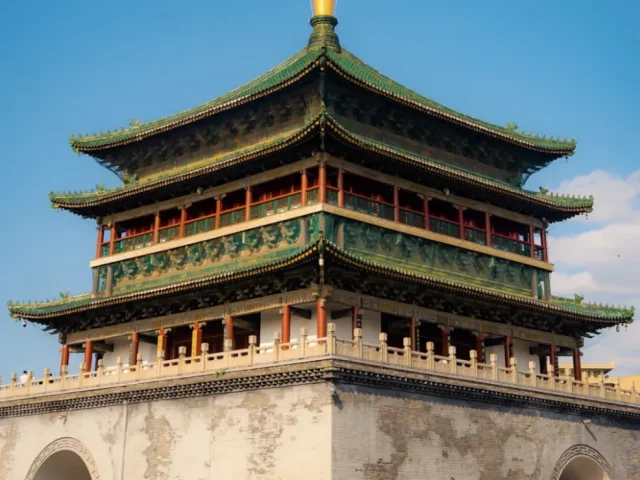
My standard weekend in Xi’an starts at Xi’an North station on a Friday night, coming off the high-speed train with a backpack and nothing planned past breakfast. The metro ride into the walled city takes about half an hour on Line 2, and by the time the doors open at Zhonglou, the Bell Tower is lit up like a jewelry display case and the city has already sold me on itself. Two days later I walk back onto that same platform tired, full, and quietly amazed at how much fits in 48 hours when you don’t waste any of it on decision-making.
This is the express plan I give to people with a long weekend and a short attention span: one morning with the Terracotta Army, one morning on the City Wall, two evenings in the Muslim Quarter, and the rest of it handled by the metro. It is tight, but it is honest about what is worth your time.
Day One: The Terracotta Army and Huaqing Palace
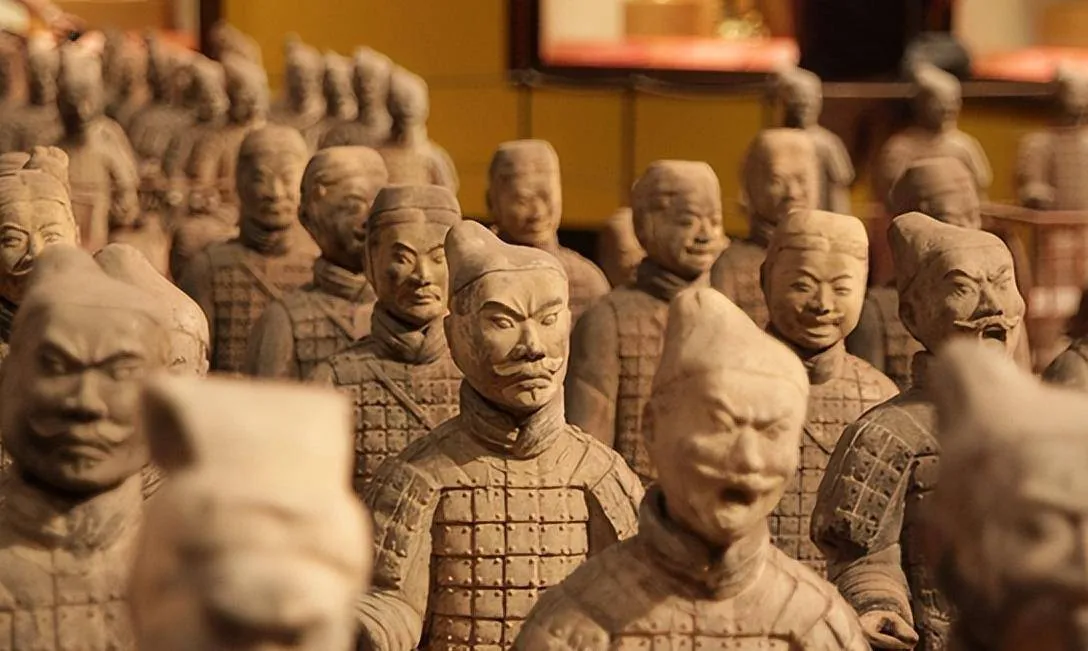
Take the metro: ride Line 1 or Line 6 east to Fangzhicheng, transfer to Line 9, and ride it to Huaqingchi station — about an hour from the walled city, and it drops you a short taxi hop from both sites. Plan the day in this order: the army at opening time, lunch in the visitor complex, then Huaqing Palace in the quiet afternoon.
Morning: Pit 1 Before the Wave
The Terracotta Army is the one attraction where being early is not a suggestion. Gates open at 08:30 and the first tour buses roll in around 10:00, so the window between is your only chance to stand at the Pit 1 railing with room to breathe. Entry is about ¥120, and that covers all three pits and the exhibition halls. Give Pit 1 its due — it is the one that will be printed on your memory forever — but the kneeling archers in the side halls are where the craftsmanship shows. Nobody leaves unmoved by the sheer logistics of it: an emperor who built himself an army out of clay, 40 years of work, and it was only found in 1974 by farmers digging a well.
Afternoon: Huaqing Palace and the Hot Springs
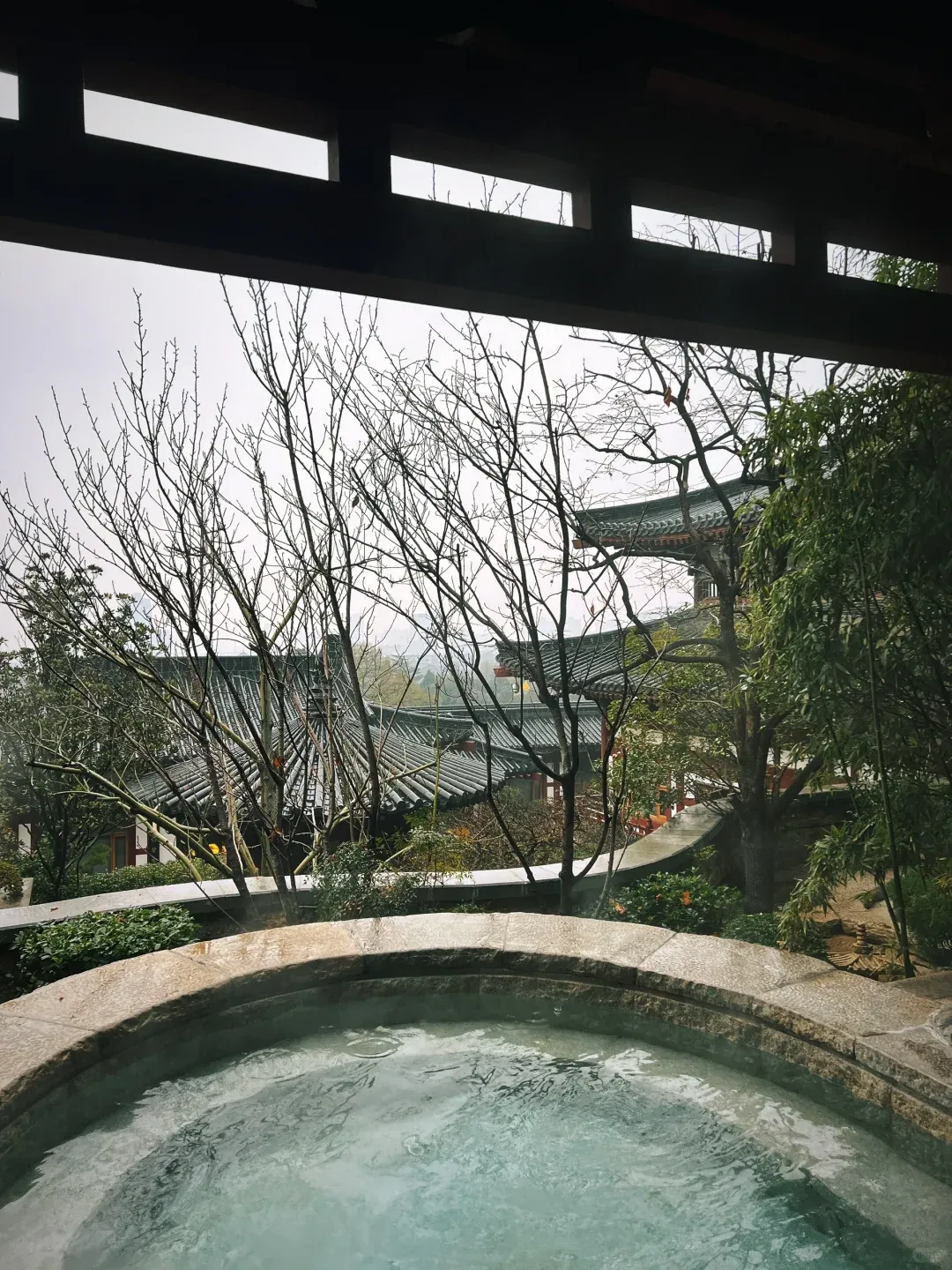
Huaqing Palace is twenty minutes away and a complete change of mood. Where the pits are raw and monumental, this is all gardens, pavilions, and the story of a royal romance — the Tang emperor Xuanzong brought his beloved Yang Guifei here to bathe in the hot springs, and the bathing pools of the Tang emperors are still open to the sky. Admission is about ¥120, the grounds take a gentle two hours, and the cable car up Lishan Mountain is a decent way to stretch the legs if the palace feels too sedate. The spot where Chiang Kai-shek was captured during the 1936 Xi’an Incident is marked near the top, which surprises most Western visitors; the palace has lived several lives.
Evening: The Muslim Quarter, the Right Way
Back on Line 9 to the walled city, and dinner. The main drag of the Muslim Quarter — Beiyuanmen, the street everyone calls Huimin Jie — is a wall-to-wall carnival by 19:00, and I love it and avoid it in equal measure. The smarter move: walk past it to Dapiyuan and Xiyangshi, two streets over, where the same food is served without the elbows. Order yangroupaomo — the lamb stew with shredded flatbread that you tear into pieces yourself — and let the restaurant simmer it for you. If that sounds like a project, a bowl of biangbiang noodles from any shop with a queue outside is the zero-effort alternative. Finish with a pomegranate juice or a glass of suanmeitang, the sour plum drink that undoes an entire day of spice.
Day Two Morning: The City Wall by Bike
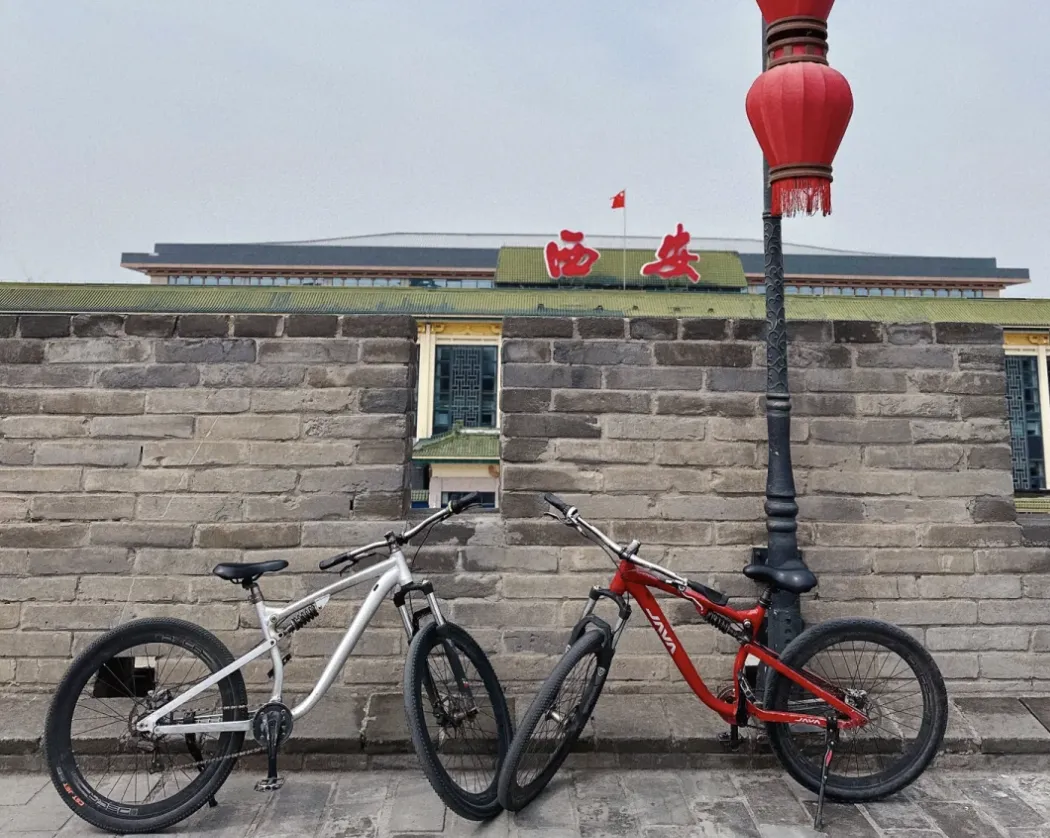
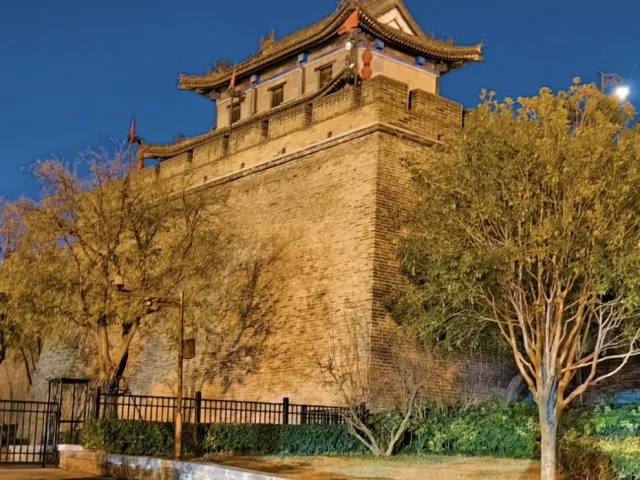
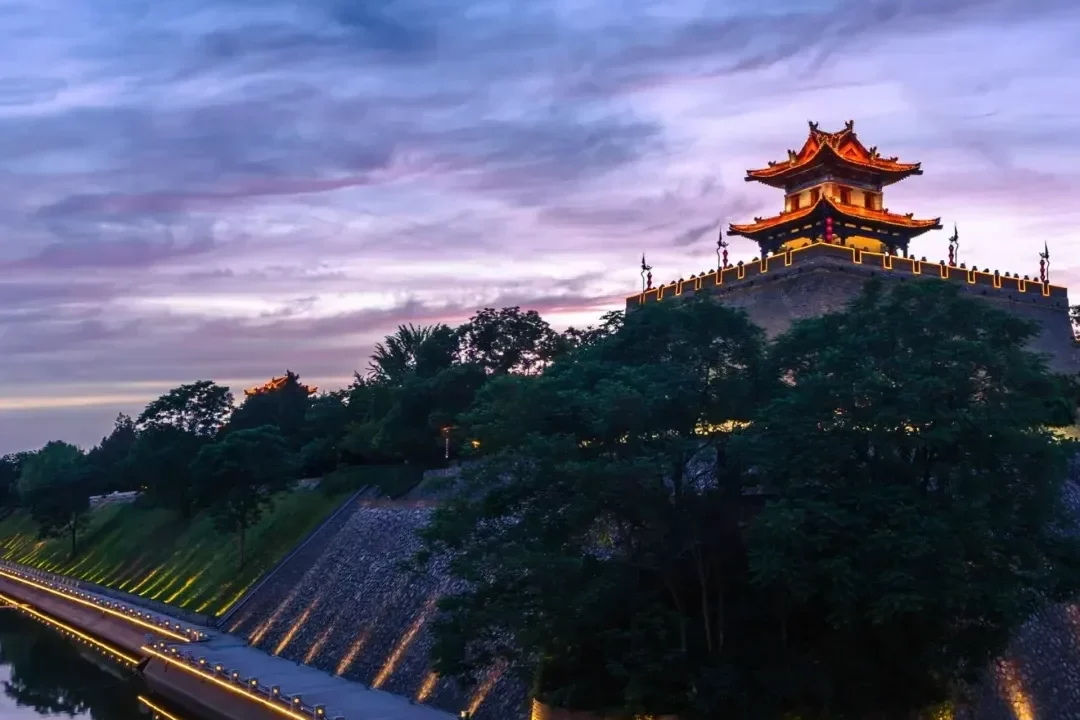
This is the morning the whole weekend hinges on. Get to Yongningmen, the South Gate, for the 08:00 opening, pay the about ¥54 entry, and rent a bike for the full 13.7-kilometer loop. The rental runs about ¥45 for two hours, and a steady pedal makes the circuit in about ninety minutes with stops. Go clockwise: the east side along Changlemen has the old rooftops, the north side is the quietest, and by the time you round back to the South Gate the city below has woken up and the tour groups are just starting to climb the ramps. You will be off the wall by 10:30 with the entire morning still ahead of you.
Day Two Afternoon: Bell Tower, Drum Tower, and the Stair-Step Street
The two towers sit at the exact center of the old city, a three-minute walk apart, and a combo ticket is about ¥50. The Bell Tower is best from the outside — the view from its base across the roundabout is the postcard shot — while the Drum Tower is worth going inside for the drum show and the enormous drums lining its upper hall. Skip the fast-food street leading to the towers and walk into the lanes behind the Drum Tower instead; the alleys there do a slower, older business, and you will find better souvenirs in ten minutes than in any shop on the main strip.
Day Two Evening: Datang Everbright City, If Your Train Is Late
If your departure is not until tomorrow morning, spend the evening in Qujiang. Metro Line 3 or 4 gets you to Dayanta in twenty minutes, and the Datang Everbright City boulevard — free, open until about 23:00, dressed as a Tang dynasty street — is the best free show in China. The fountain square at the Big Wild Goose Pagoda puts on its big performance around 21:00. One night here is the difference between a good weekend and a story you will tell for years.
Practical Details
- Terracotta Army: about ¥120; open 08:30–17:30. Metro Line 9 to Huaqingchi, then a short taxi.
- Huaqing Palace: about ¥120; open 08:00–18:00; two hours is enough for the gardens.
- City Wall: about ¥54; bikes about ¥45 for two hours; open 08:00–22:00.
- Bell and Drum Towers: combo about ¥50; the Drum Tower drum show runs several times daily.
- Datang Everbright City: free; lights from about 19:30.
Tips for the Express Weekend
- Stay inside the wall, within a metro stop of Zhonglou. On a two-day trip, twenty minutes of transit each way is an hour of sightseeing lost.
- Book the Terracotta Army ticket online the night before; the walk-up window can have a line even at 08:30.
- Do not stop at the first dumpling restaurant you see near the towers. The famous ones on Beiyuanmen are fine, but the ones on Dapiyuan are better and cheaper.
- Carry cash-free — Alipay and WeChat Pay work everywhere, but you will need a Chinese phone number to set them up. Sort that at home, not at the ticket counter.
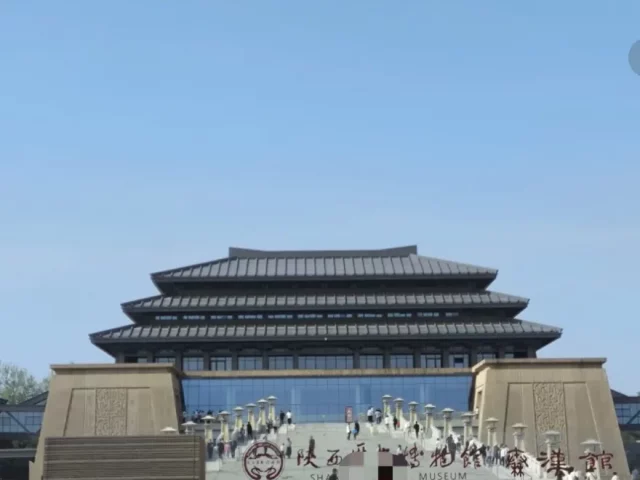
- If it rains, swap the wall bike ride for the afternoon metro crawl: Line 3 to the Shaanxi History Museum (reserve ahead) and call the wall a wash.
Wheels Down
Sunday night, back on the platform at Xi’an North, I ran into the same woman I had seen at the Pit 1 railing that morning, sorting through her phone like she was counting treasure. She held up a photo of a kneeling archer and mouthed, “worth it.” That is the express weekend in one image: two days, four great sights, and a memory card that will not fit any more. The slow trip can come later — Xi’an is not going anywhere.