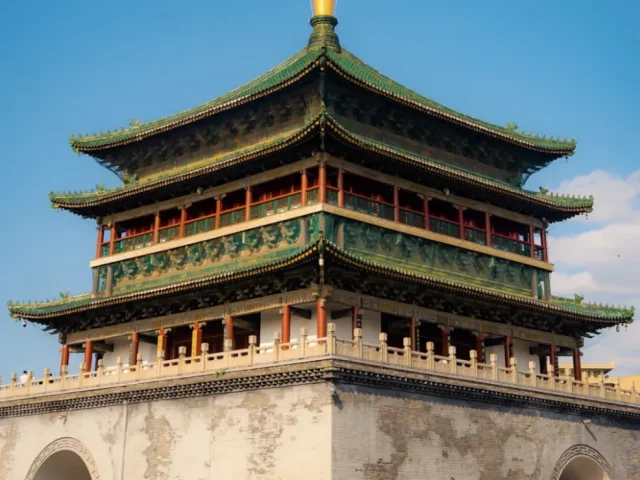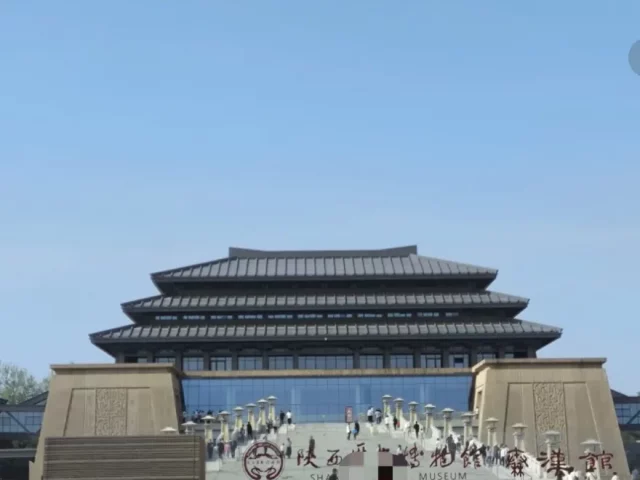
My first year in Xi’an, I came home with the same ten photographs every visitor comes home with: the Bell Tower at night, the wall at sunset, the terracotta soldiers, the pagoda. Good pictures, all of them, and completely interchangeable with a thousand other people’s. The second year, I went back with a different brief — find the frames the crowd is standing too close to see. That trip stretched into two full days of shooting, and it changed how I think about the city: Xi’an’s famous views are real, but the memorable ones are usually twenty steps to the left of the famous ones.
This route is that second trip, written down. Two days, built around light — the wall when the sun is low, the old town when it’s harsh, and the Tang district after dark.
Why a Second Day Pays Off
One day in Xi’an forces you to chase the headline shots. Two days let you split the work: one day on the wall and the neon, one day in the districts photographers usually skip. The city’s two personalities — the fortress and the stage — each deserve their own light, and they don’t share a schedule.
Day One — The Wall and the Neon
Morning: The Full 13.7 km Wall Loop
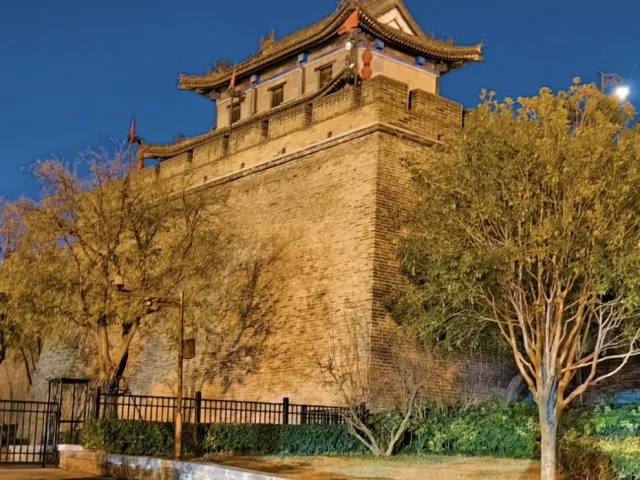
Start where the city starts, on the wall itself. Enter at Yongning Gate (about ¥54, open 08:00–22:00), rent a bike (about ¥45), and ride the whole circuit. The first hour of light is the reason: the morning sun comes in low across the rooftops, and the eastern stretch toward Changle Gate is where the shadow lines are sharpest. The four gates are the landmarks — Changle in the east, Anyuan in the north, Anding in the west, Yongning in the south — and the corner watchtowers, especially the big one at the southeast corner, are the frames you’ll keep. Go clockwise if you want the sun at your back going east; counterclockwise if you want it in your shots.
Budget two hours for the loop with stops. The wall is flat, the bikes are sturdy, and the parapet gaps make natural composition windows.
Afternoon: Shuyuanmen and the Calligraphy Streets
Back on the ground, walk to Shuyuanmen, the arcaded street that runs from the South Gate area toward the Forest of Stone Stelae. This is where the city does its analog business: brush sellers, seal carvers, stone rubbings laid out in the sun, and the old gate arch of the Guanzhong Academy at the street’s end. It’s the best people-and-texture shooting in the old town, and the afternoon’s flat light suits it — the arches throw clean shade, and the shop fronts are dark enough to make the calligraphy pop.
Night: Datang Everbright City and Hanfu
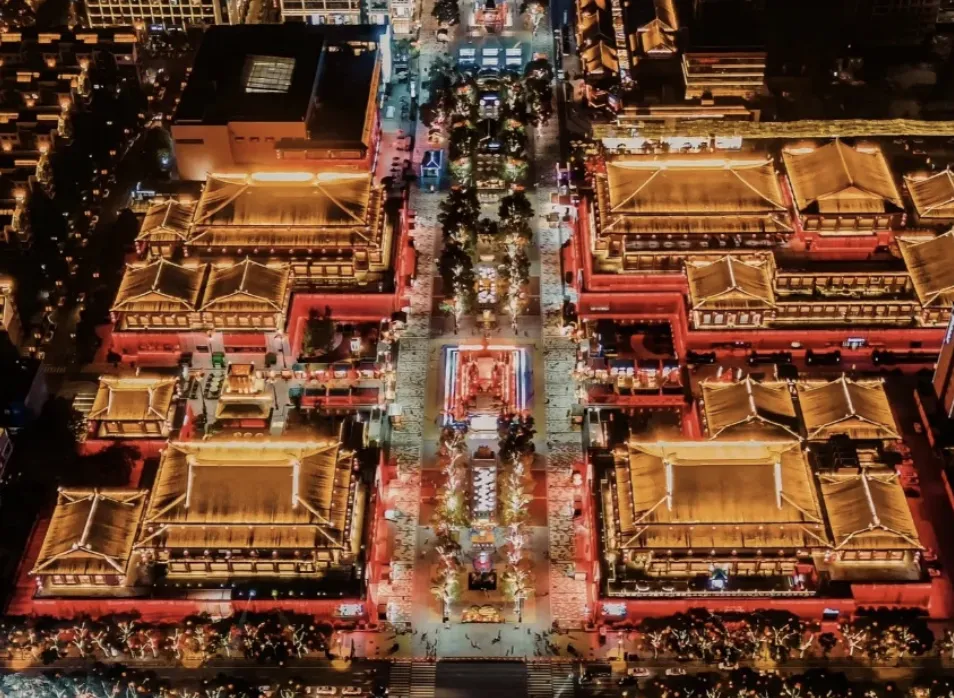
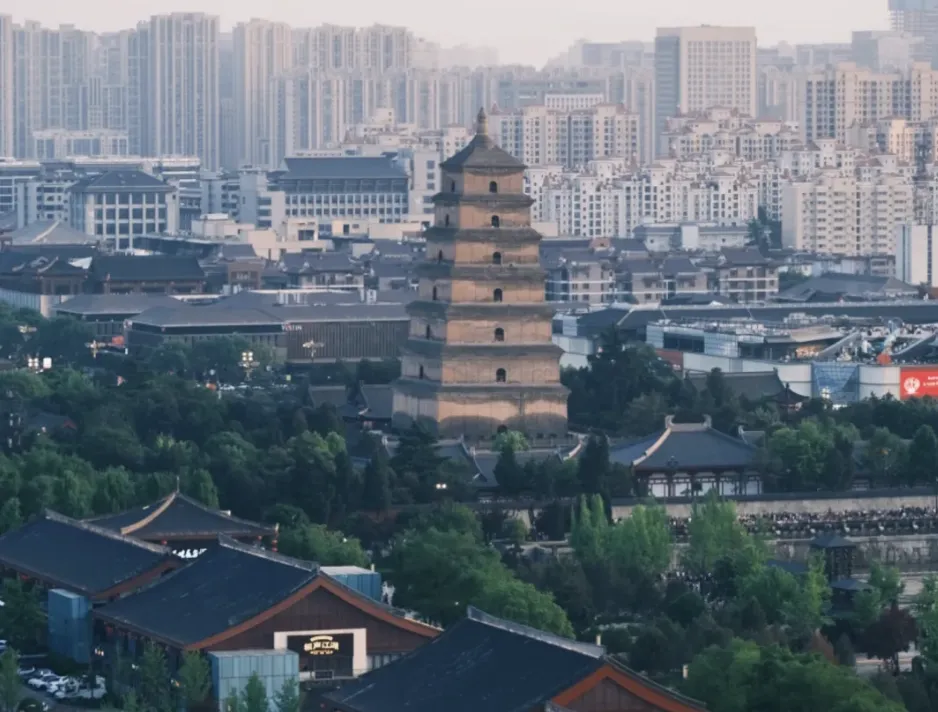
When the sun drops, take Line 4 or 3 to the Big Wild Goose Pagoda area and walk into Datang Everbright City. This is the city’s night stage, and the shots come from the details the crowd ignores: the lantern lines reflected in shop windows, the calligraphers’ brushes mid-stroke, the giant Tang-silhouette installations against the sky. The other move is to rent hanfu — traditional Tang dress — from one of the many shops around the avenue, from about ¥100 for a few hours. You don’t have to wear it yourself; the people who do are half the night’s subject matter, and photographing strangers in costume with the pagoda behind them is the closest thing Xi’an has to a street-performance industry.
Day Two — Qujiang and the Angles Everyone Misses
First Light: Qujiang Pool
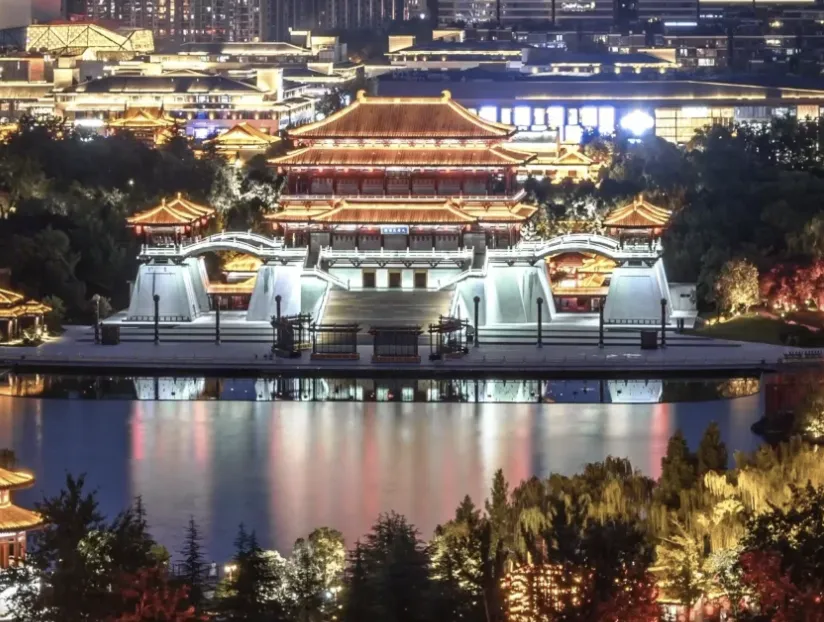
The Qujiang district, south of the pagoda, is Xi’an’s modern answer to its own past — parks and water built in the shadow of Tang aesthetics. Start at Qujiang Pool Ruins Park, free and open from early morning, before the city wakes. The water is still, the willows hang to the surface, and the pavilions on the far bank give you reflections the evening crowd never sees. If you want the polished version, Tang Paradise (about ¥50) opens at 09:00 and its pavilions and lakes do the same work with better maintenance — but the ruins park has the light first.
Midday: Dahua 1935
When the sun gets brutal, head north to Dahua 1935, the converted cotton mill near the Daming Palace area on metro Line 4. The old red-brick factory halls are now galleries, cafés, and studios, and the industrial bones — iron frames, saw-tooth roofs, peeling paint — photograph beautifully in hard light. It’s the anti-Datang: no lanterns, no costumes, just two generations of Chinese industrial history and the people who’ve moved back into it.
Sunset: The Wall from the North Stretch
End the day back on the wall, but on the north side this time. Most people shoot the south and west stretches, so the north rampart above Anyuan Gate is quiet. From here the sunset comes over the railway lines and the sprawl beyond the old town, and the gate below you stays in shadow while the moat turns gold. It’s the least-postcard view on the circuit, which is exactly the point.
Night: The Wall’s Own Show
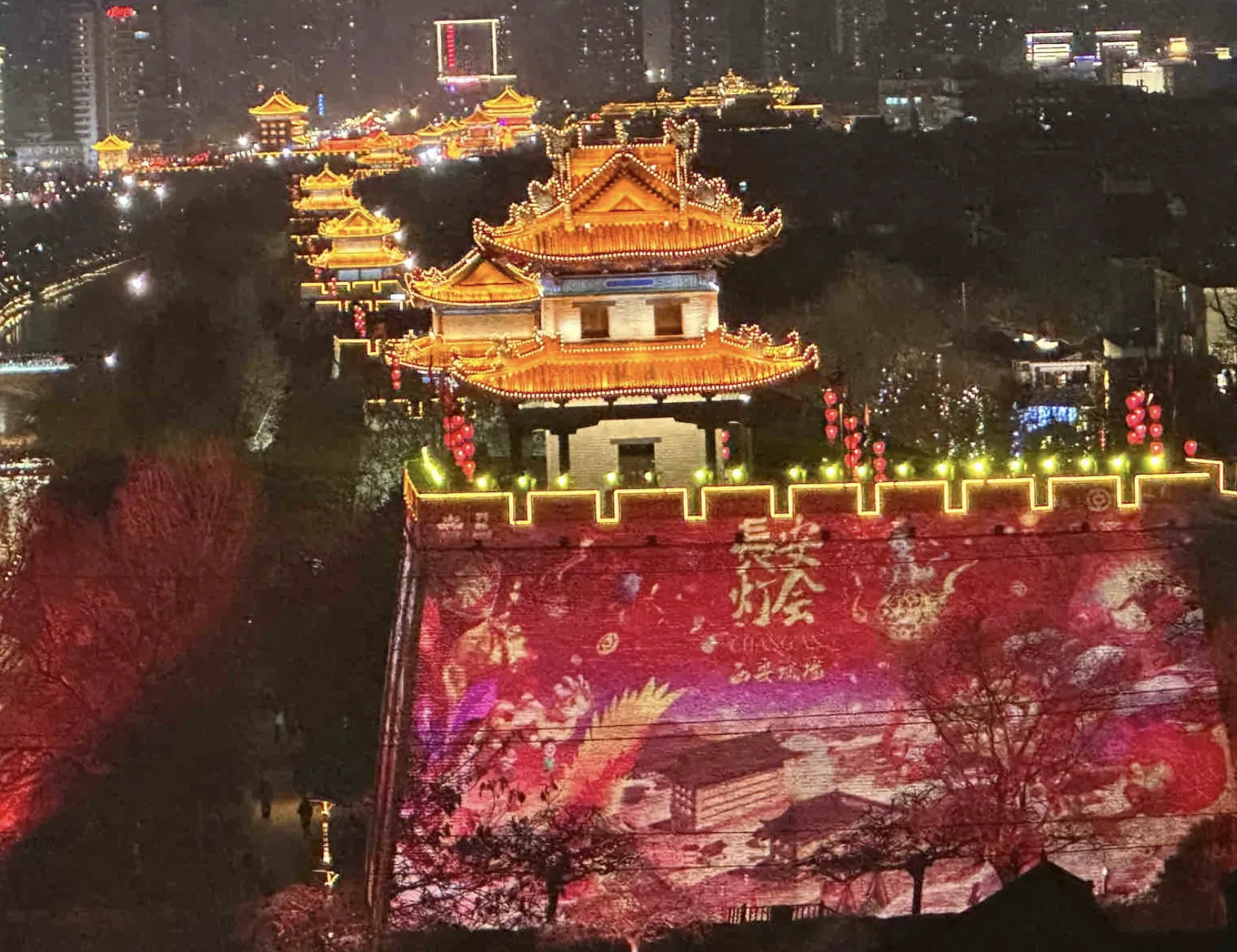
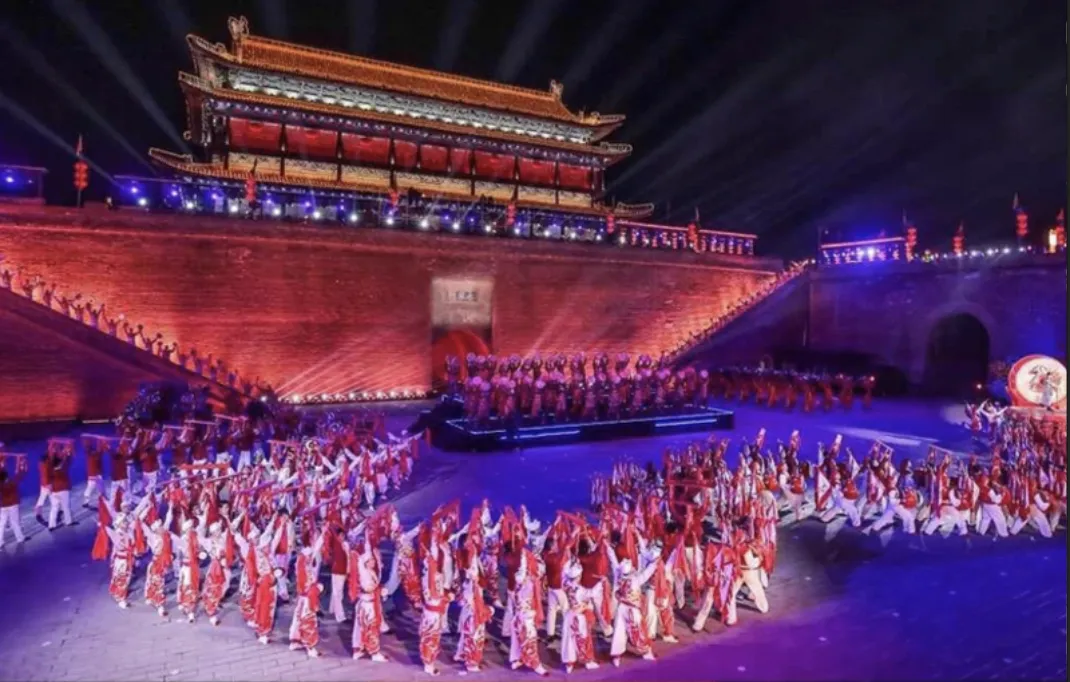
Finish with the wall after dark. Yongning Gate’s facade lights up from dusk, and on many evenings there’s an ancient gate ceremony — a staged imperial entrance with lanterns and music — on the south square. The lantern festival in spring fills the ramparts with installations, but year-round the wall at night is worth one last slow walk: the parapet lights strung like a necklace, the city glowing beyond the moat, and the towers picking out the old grid against the dark.
Practical Details
- City Wall: about ¥54, 08:00–22:00 at Yongning Gate; bike hire about ¥45 for the loop.
- Qujiang Pool Ruins Park: free; Tang Paradise: about ¥50, opens 09:00.
- Dahua 1935: free entry, Line 4 to the Hanyuandian stop.
- Datang Everbright City: free, at its most photogenic 19:30–22:00.
- Hanfu rental around Datang Everbright City: from about ¥100 for a few hours, makeup and photography extra.
Tips
- Ride the wall loop early or late — the mid-morning bike traffic turns the ramparts into a slow-motion race.
- The southeast corner watchtower is the single best frame on the wall; shoot it from the east stretch, not from the tower itself.
- At Datang Everbright City, shoot the side alleys, not just the main avenue — that’s where the clean frames hide.
- Hanfu studios will rent to non-Chinese speakers easily, but ask about the deposit and the return time before you pay.
- The north wall stretch has no shade; carry water even at golden hour.
- Check whether the spring lantern festival is running before you plan around it — it shifts the whole night itinerary.
The shot I keep from that second trip isn’t the wall or the pagoda. It’s a paper lantern in a Shuyuanmen shop window, the calligraphy on it half-visible through the glass, a crowd of hands doing something else entirely. It’s the frame nobody asks for, which is why it’s the one that’s mine. Two days in Xi’an will give you the postcards. The second day is for the ones you get to keep.