The first time I tried to hike in the Qinling, I missed the mountains entirely. A Saturday-morning crowd swept me onto the wrong bus outside Weiqu South station, and forty minutes later I was watching farmers load persimmons onto a cart instead of looking at pines. The second time, I learned the system — and once you know it, the range that presses against Xi’an’s southern horizon opens up like a door you never noticed.
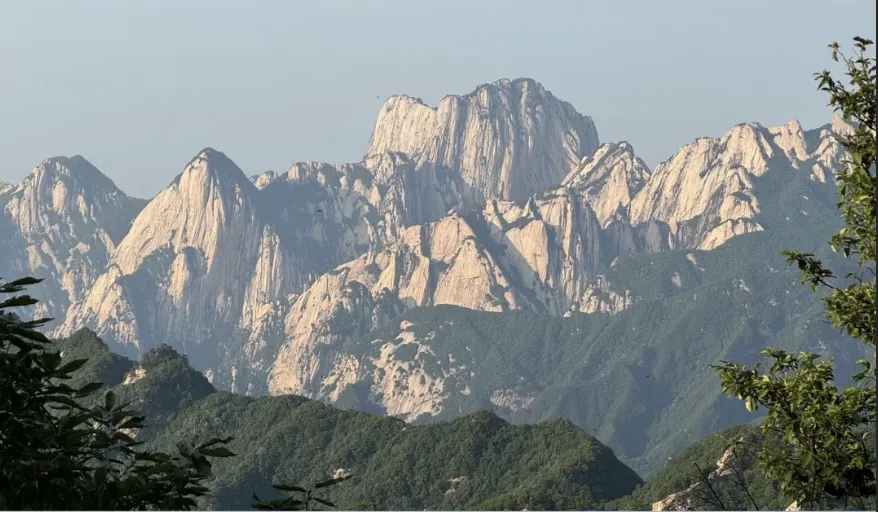
The Qinling is the spine of China, the chain that splits the country into the wheat-growing north and the rice-growing south. Xi’an sits at the point where it shoulders its way past the Guanzhong Plain, which gives the city something few capitals can claim: genuine wilderness with genuine trails less than two hours from the metro. Across several years of stolen Saturdays I’ve worn a path through the best of it. These are the four routes I keep going back to.
Why the Qinling and Not Huashan
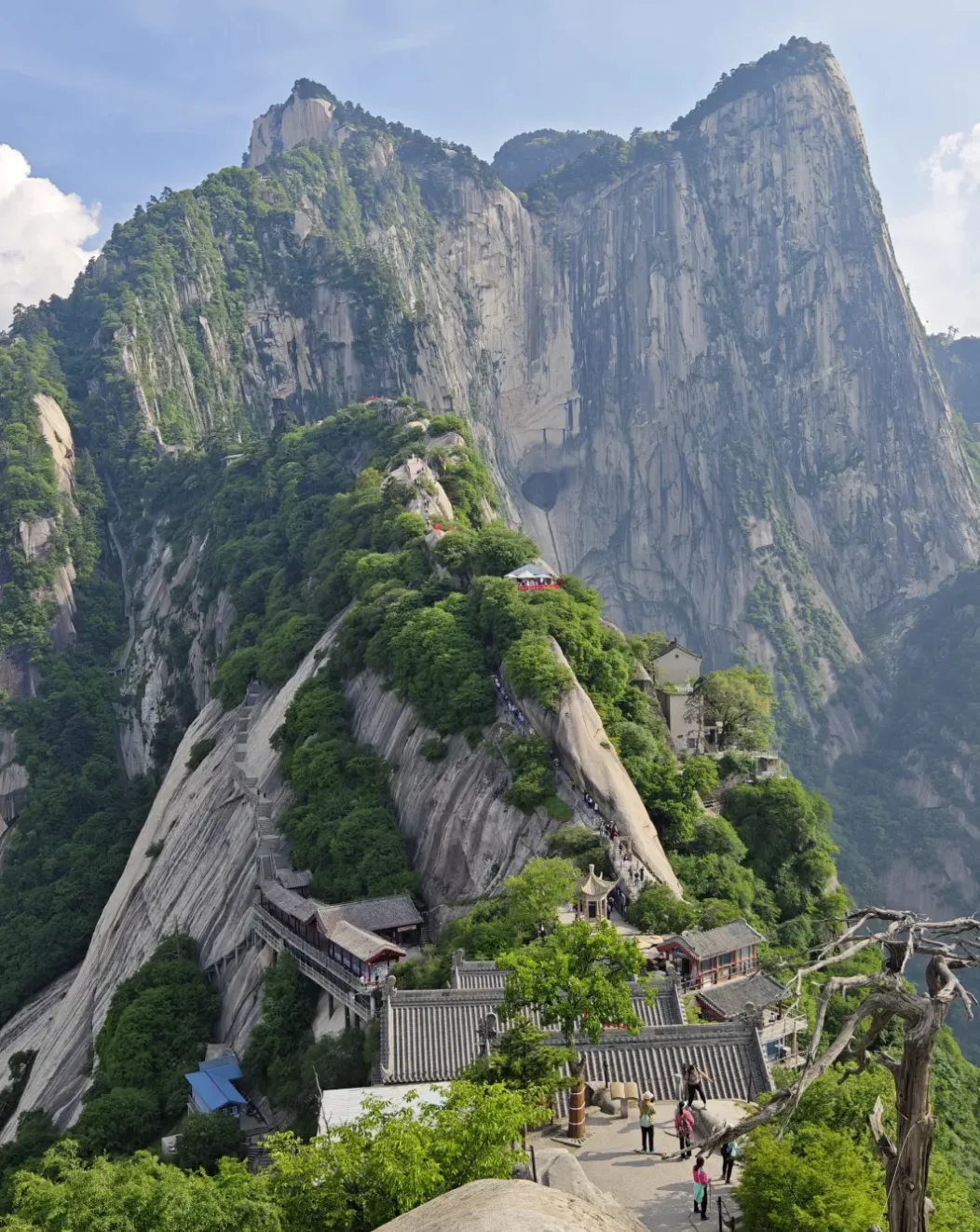
Mount Huashan gets the postcards, the plank walk, and the sunrise crowds. The Qinling gives you the opposite: forest quiet, streams, and trails where you can walk twenty minutes without hearing a car. Most of the day hikes below cost about ¥60–70 to enter, are reachable by public transport, and can be done in a long afternoon. None of them demands a dawn departure or a bus seat booked days ahead.
The ground rule for all of them is the same — leave the city early. Aim to be at the trailhead by 09:00, finish by 16:00, and get back on the return bus while the light is still honest.
Getting Out of the City
Every trail here follows one of two patterns. Cuihua and the Lishan slopes sit close enough to grab via metro; Taiping and Louguantai need the buses that leave from the Cheng’nan (south) long-distance station. A ride-hailing car from the city center runs about ¥120–150 to most trailheads if the buses feel like a gamble — split it three ways and it stops being expensive.
One thing to check before you commit: the weather on the mountains is its own country. A clear day in Xi’an can be a fog-bank day on the ridge, so glance at the forecast for the county you’re heading to, not the city proper.
Cuihua Mountain (翠华山): The Classic
Cuihua is the one I recommend first. It’s a geological oddity — a massive landslide thousands of years ago dammed a valley and left a lake, the Tianchi, sitting in the bowl of the collapse. You climb through granite chaos, past boulders the size of houses, and the reward at the top is a still sheet of green water with noodle stalls around one edge. Entry is about ¥70, and a comfortable loop takes three to four hours.
The way there is the easy part of the day: Line 2 to the Weiqu South terminus, then bus 905 from the stop outside, which snakes south for about forty minutes. It’s the most popular of the four, so the trailhead is busy by mid-morning — go early or go midweek.
Lishan (骊山): The Easy One
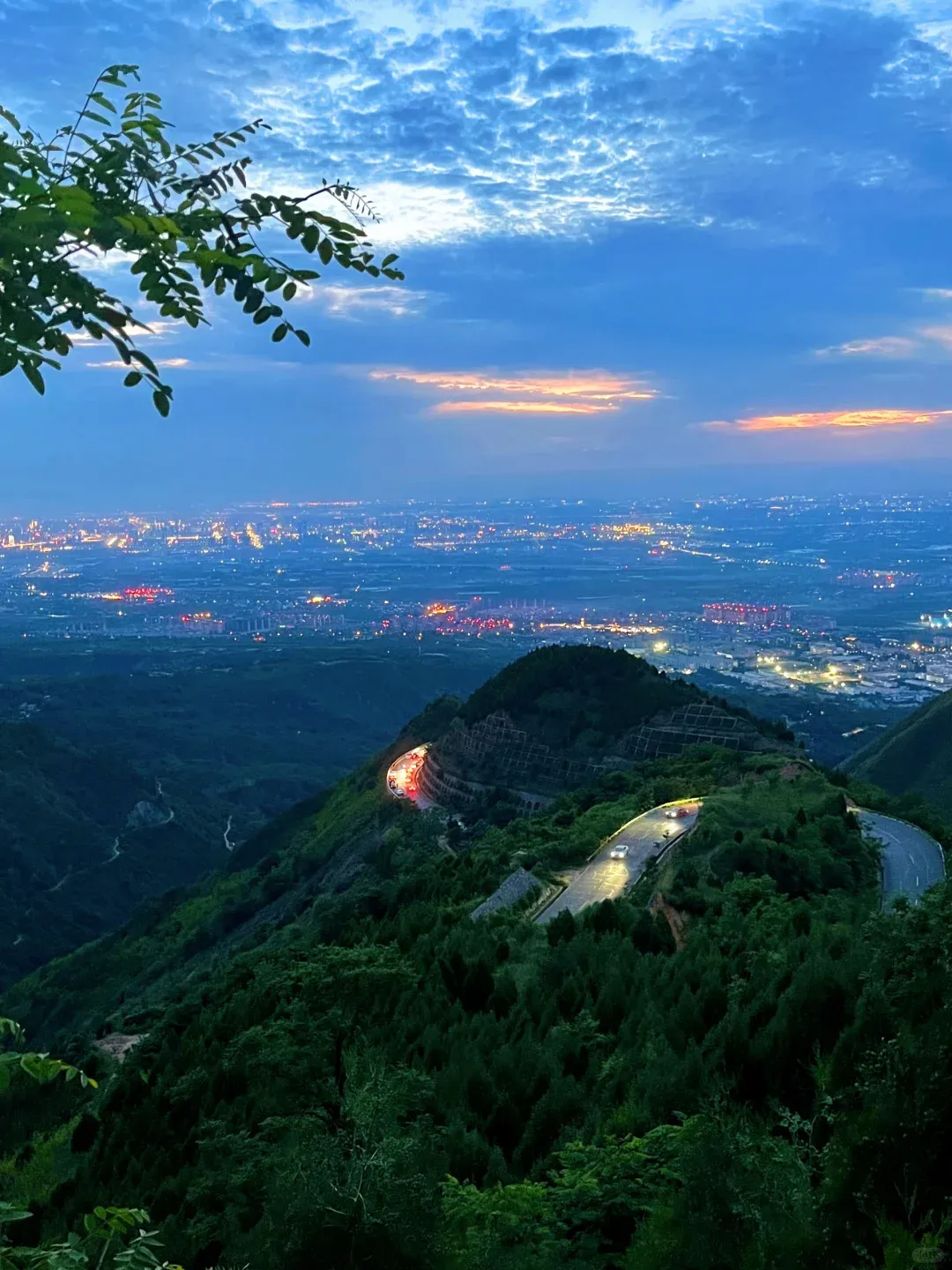
If the others feel like expeditions, Lishan is a stroll with a payoff. The mountain rises directly behind Huaqing Palace in Lintong, and the classic move is to ride the cable car up — about ¥60 return — then walk the ridge past the weathered beacon tower where, legend says, a Zhou king once lit false alarms to amuse his queen, a prank that cost him his kingdom when the real warning came. The story is probably myth. The view is not: from the top you look west across the whole Guanzhong Plain, and on a clear evening you can trace the lights of Xi’an coming on, one grid at a time.
Getting here is metro Line 9 to the Huaqingchi stop, then a ten-minute walk or the shuttle to the mountain entrance. Watch for the resident monkeys near the cable-car top — they will happily open your backpack, so keep snacks buried.
Taiping Forest Park (太平国家森林公园): Waterfalls
Taiping is a valley hike that rewards you roughly once per kilometre: the stream beside the path keeps dropping, and each drop has a name and a swimming hole at the bottom. There are said to be eight named falls in the park, the last one a wide curtain that makes the climb worthwhile. Entry is about ¥60, and the walk from the entrance to the top fall and back is a solid five hours if you stop to swim, which you should.
It’s at its best in July, when Xi’an bakes and the valley stays cool. The buses from the Cheng’nan station are infrequent, so write down the return times when you arrive, or you’ll be negotiating with the ticket office’s cousin for a ride back.
Louguantai (楼观台): Taoist Quiet
Louguantai is less a hike and more a pilgrimage with elevation. Tradition holds that Laozi composed the Daodejing here, and the site has been a Taoist center for the better part of two millennia. The trail climbs past the main temple complex to a bamboo forest that sounds like rain when the wind moves through it, then continues up to an old viewing platform. Entry is about ¥70, and you can fill the whole day if you also walk the forested ridge behind the temple.
It’s the quietest of the four — I’ve had the upper trail to myself on a Saturday afternoon, which never happens on Huashan. Get there via the Cheng’nan station bus toward Zhouzhi and ask to be let off at Louguantai; drivers know the stop.
Ground Rules for the Range
- Weather moves fast — pack a shell even when the sky starts blue.
- The Qinling is protected watershed land: no open fires, and take your rubbish out.
- Trails are maintained but signed in Chinese only. Save an offline map before you lose signal.
- Carry water and something salty; the snack stalls on the main routes close by mid-afternoon.
- Don’t feed the monkeys on Lishan, however persuasive they are.
Tips
- Start from Weiqu South before 08:00 if you can; the buses thin out after 09:30 on weekdays.
- Cash is rarely needed — even the hilltop noodle stalls take WeChat Pay and Alipay.
- Bring a change of socks if you’re going to Taiping; wet feet make the last hour long.
- Check the air-quality index before committing; a hazy day in the city usually means a grey day up top.
- If you only have one day, pick Cuihua — it has the best ratio of scenery to effort.
- In winter, some trails close after snow; call ahead or check the county tourism accounts.
The bus back to Weiqu South rattled through the dusk on my last trip, and I thought about that first failed attempt, when I’d watched the wrong bus pull away with my trail plans on it. The Qinling isn’t going anywhere, I reminded myself. It’s been there for two hundred million years, and it will still be there next Saturday.